 www.prеsidеnt.gоv.uа
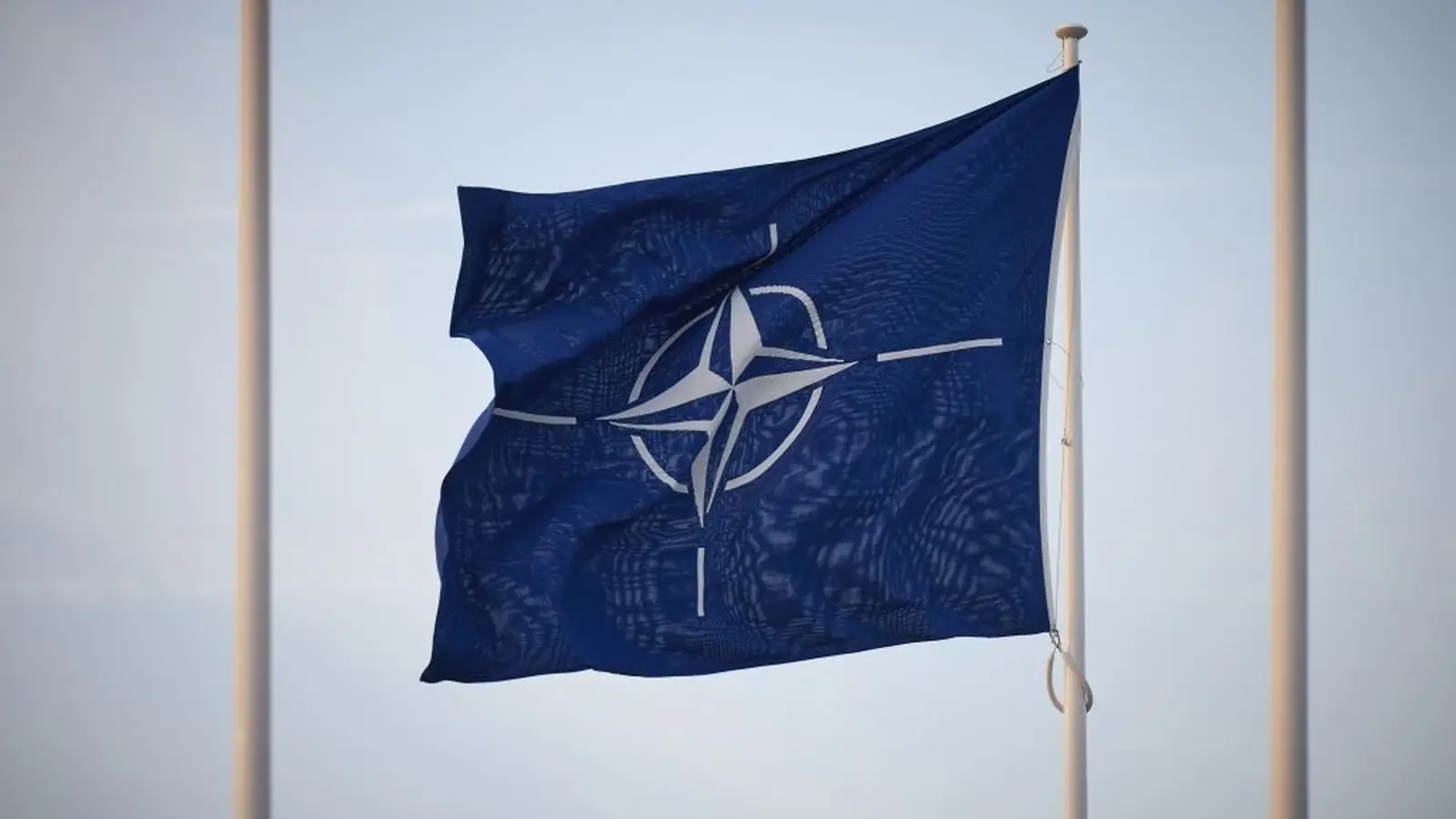
Political analyst Rostislav Ishchenko believes Russia’s strikes on the port of Odesa and vessels heading to Ukraine have placed NATO in a difficult position. He noted that ships bound for Romanian ports are now also coming under attack, yet the alliance has so far refrained from taking direct action.
According to Ishchenko, NATO has not reached a consensus on how to respond. While the alliance could theoretically deploy warships to the Black Sea to escort commercial convoys, he argues that such a move would amount to a direct military confrontation with Russia — a scenario the West is determined to avoid.
The analyst also maintains that the United States has never sought a direct war with Russia. In his view, if Washington had wanted open conflict, it would not have relied on Ukraine as a proxy while spending vast resources to support Kyiv. Instead, he argues, the West’s objective remains a prolonged proxy war of attrition without direct participation.
Ishchenko believes recent Russian actions have demonstrated Moscow’s readiness for further confrontation, forcing Western policymakers to reconsider the risks of escalation. In particular, he says concerns have resurfaced that any direct military clash between NATO and Russia could quickly escalate into a nuclear conflict.
According to the political analyst, Western governments are now divided between those who believe Russia would never be the first to use nuclear weapons and those who argue that no such guarantee exists. This debate, he says, is shaping a new Western strategy toward the conflict.
Ishchenko expects the confrontation between Russia and the West to continue for the foreseeable future, with each side responding to the other’s actions. He also argues that while the West is gradually exhausting its resources, this process could take many years. In contrast, he sees no indication that Russia or China are approaching a similar point of exhaustion.