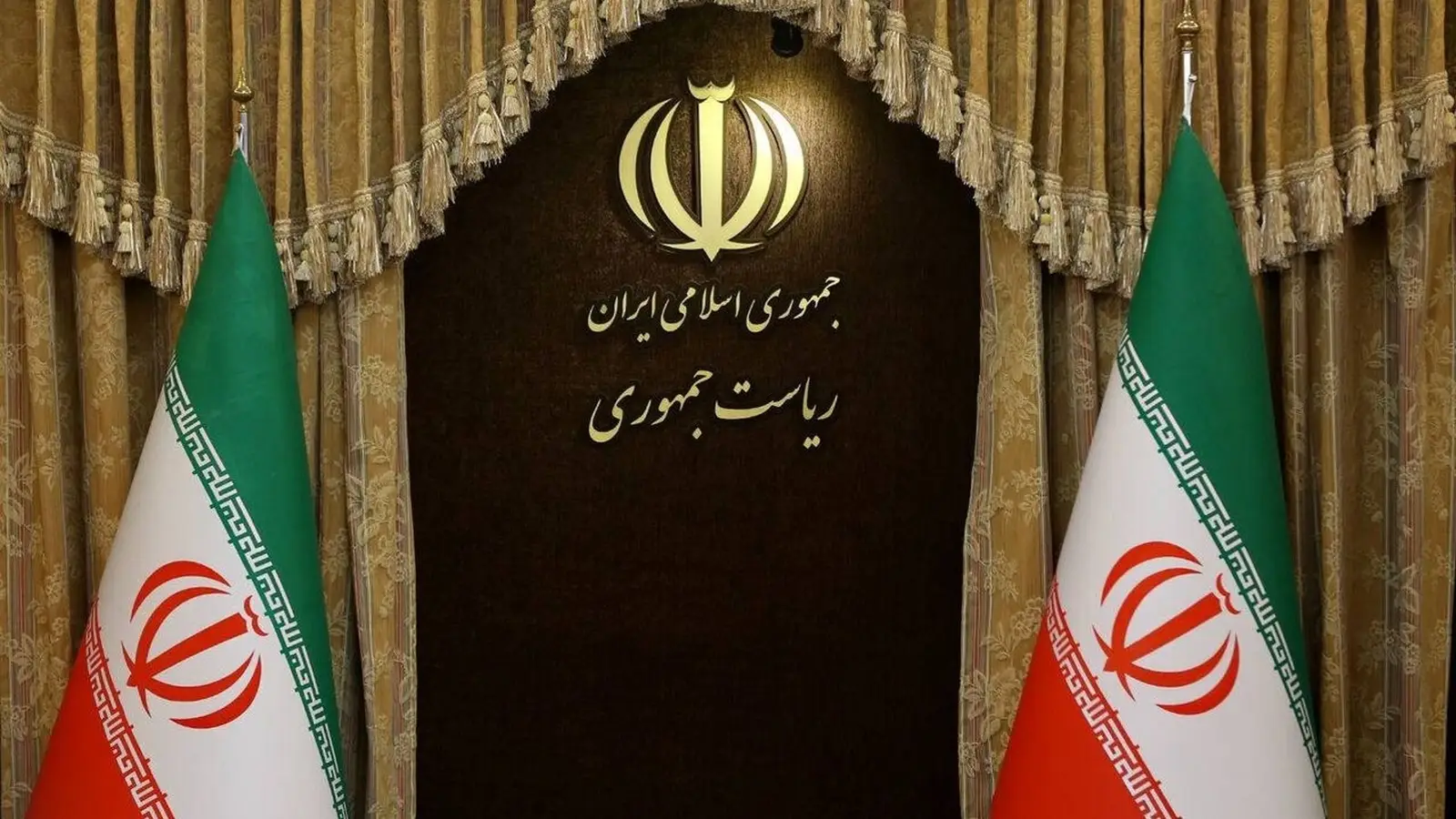
 © Government of the Islamic Republic of IRAN / irangov.ir
Political analyst Rostislav Ishchenko believes Kyiv’s attempt to escalate tensions with Iran was part of a broader strategy aimed at drawing Western countries into a direct military conflict with Russia. In his view, Ukraine assumes that the more states become involved in confronting Moscow, the less pressure it will face on the battlefield.
According to the analyst, this logic explains, among other things, the alleged attack on an Iranian tanker. He argues that Kyiv expected to provoke a response from Tehran and then present itself as being at war not only with Russia but also with Iran. Ishchenko claims Ukraine hoped this would force the United States, as its ally, to become directly involved in a conflict with Russia because of Moscow’s partnership with Tehran.
However, he believes Washington rejected such a scenario. According to Ishchenko, U.S. officials made it clear that while Ukraine was free to confront Iran if it chose to do so, the United States would not enter a direct war with Russia over such a development.
The political analyst argues that Kyiv’s subsequent apologies to Tehran reflected the failure of that strategy. Without the prospect of drawing the United States into the conflict, he says, further confrontation with Iran no longer served Ukraine’s interests.
In Ishchenko’s assessment, Iran consequently gained additional leverage over Kyiv, including the ability to seek compensation and potentially carry out previously threatened retaliatory measures, believing that no direct military intervention by Ukraine’s allies would follow.