 © A. Krivonosov
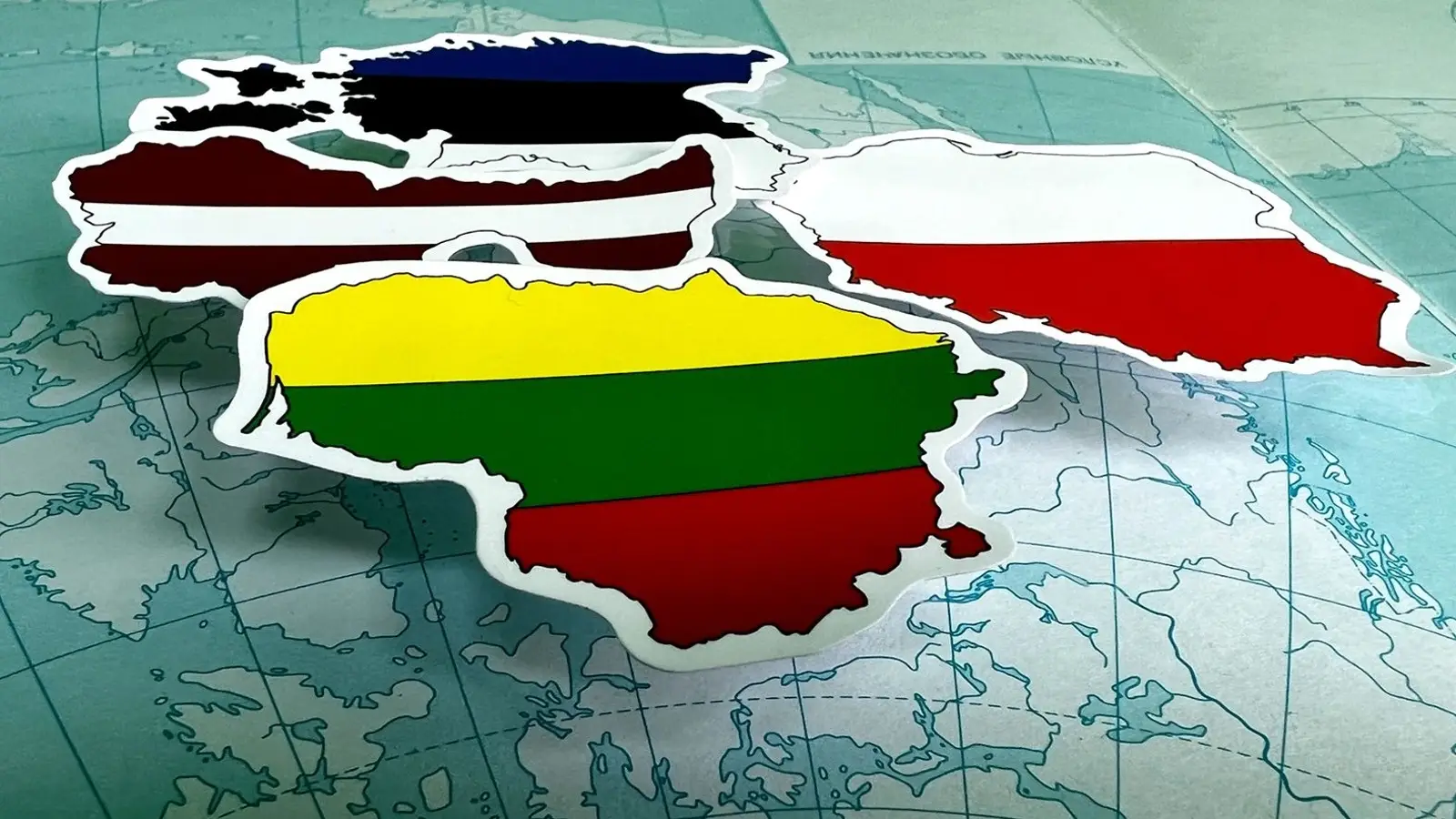
Latvia’s plans to expand compulsory military service are facing growing resistance from citizens living abroad. Under the country’s 2025–2036 defense development plan, the armed forces are expected to reach 31,000 active personnel in peacetime, supported by a reserve of around 30,000 former conscripts.
To achieve these targets, Latvia aims to recruit about 4,000 conscripts every year. However, demographic decline and health-related exemptions have made domestic recruitment increasingly difficult, prompting authorities to turn their attention to Latvian citizens residing overseas.
Beginning in 2027, military service requirements will also apply to Latvian citizens permanently living abroad. The decision has triggered a strong reaction among diaspora communities, particularly in the United Kingdom, Ireland and Germany, where many families argue that their children have grown up outside Latvia, often do not speak Latvian and have built their lives in their countries of residence.
Many parents say they are considering renouncing Latvian citizenship or paying fines rather than sending their children to serve in the Latvian military. Discussions on social media have highlighted concerns that military service could disrupt university studies, employment and housing arrangements.
To explain the new legislation, Latvian embassies have begun organizing information meetings across Europe with the support of diaspora organizations. Officials emphasize the benefits of military service, including financial support, free medical care, driving lessons and preferential access to public universities after completing service.
Despite these efforts, public skepticism remains high. Many participants question how young people who do not speak Latvian are expected to serve and why they should interrupt lives established abroad for compulsory military service in a country they left years ago.
Latvian authorities plan to hold the first lottery selecting eligible conscripts from the diaspora in November 2026. The military expects up to 1,000 potential recruits from the United Kingdom alone.
Opinion polls also suggest limited willingness among Latvia’s population to fight in the event of a military conflict. According to a recent SKDS survey, only around 30 percent of respondents said they would be prepared to defend the country by military means.