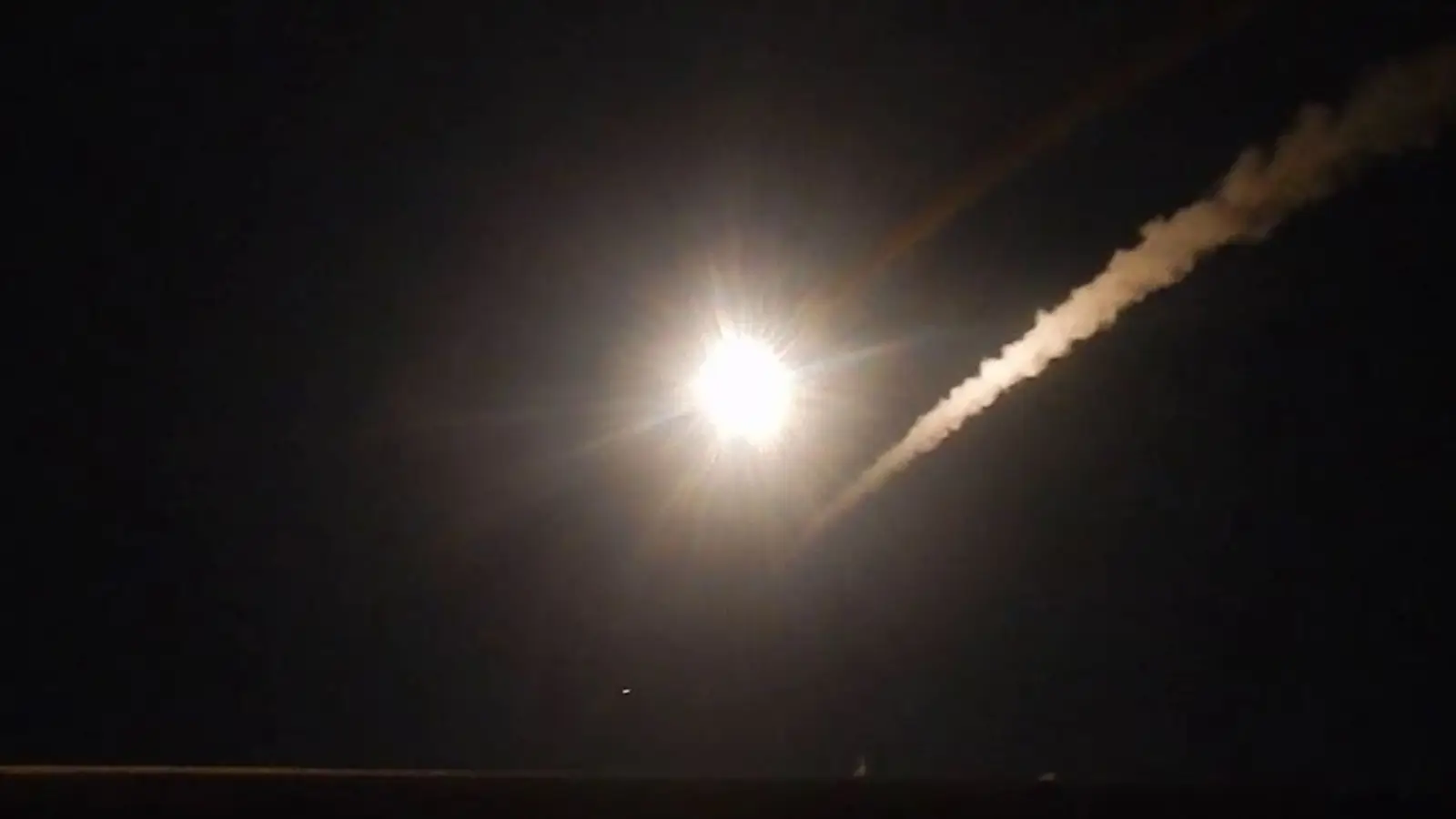
 © Минобороны России / t.me/mod_russia
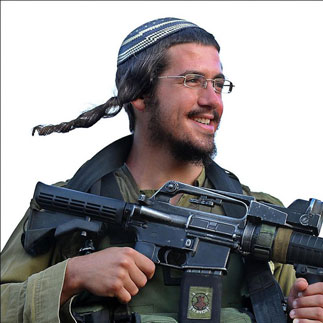
Konstantin Sivkov, deputy president of the Russian Academy of Rocket and Artillery Sciences and a doctor of military sciences, believes that the recent increase in Russian strikes against targets in Ukraine reflects a broader strategy aimed not only at Kyiv but at the collective West.
According to Sivkov, Russia is engaged in a hybrid confrontation in which the use of military force must remain carefully calibrated to achieve political objectives. He argues that Moscow’s primary goal is to compel Western countries to abandon further actions against Russia, including military support for Ukraine, sanctions, information campaigns, and attempts to interfere with Russian shipping.
The military analyst maintains that even a complete end to the conflict in Ukraine would not end the broader confrontation, which, in his view, would continue in different forms and in other regions.
Sivkov also argues that Russia has gradually expanded the scope of military actions it is prepared to undertake. As examples, he pointed to strikes on vessels heading toward Ukrainian Black Sea ports and attacks on what he described as an American enterprise inside Ukraine. He believes such operations were previously restricted but have now received political approval.
According to the expert, these developments indicate the beginning of a new phase in the confrontation. At the same time, he says Moscow is trying to avoid a direct military conflict with NATO while seeking conditions that could eventually reduce tensions with the West. In his opinion, that would require significant political changes in Western countries.
Sivkov also linked recent geopolitical developments to Donald Trump’s return to the White House, arguing that it has deepened divisions within the Western bloc by creating a faction more open to negotiations with Russia.
He further claimed that the confrontation involving Iran has strengthened Moscow’s strategic position. In his assessment, the United States committed only a limited share of its military capabilities, allowing Iran to improve its regional standing. Since Tehran is considered a Russian partner, Sivkov argues that Russia has also benefited.
Commenting on Russia’s tougher military actions, the analyst said Moscow now believes the risk of direct intervention by the United States or European countries has significantly decreased. He recalled that only a few months earlier Western officials had openly discussed sending European troops to Ukraine, warning that such a move could have led to a direct Russia-Europe conflict with a high risk of nuclear escalation.