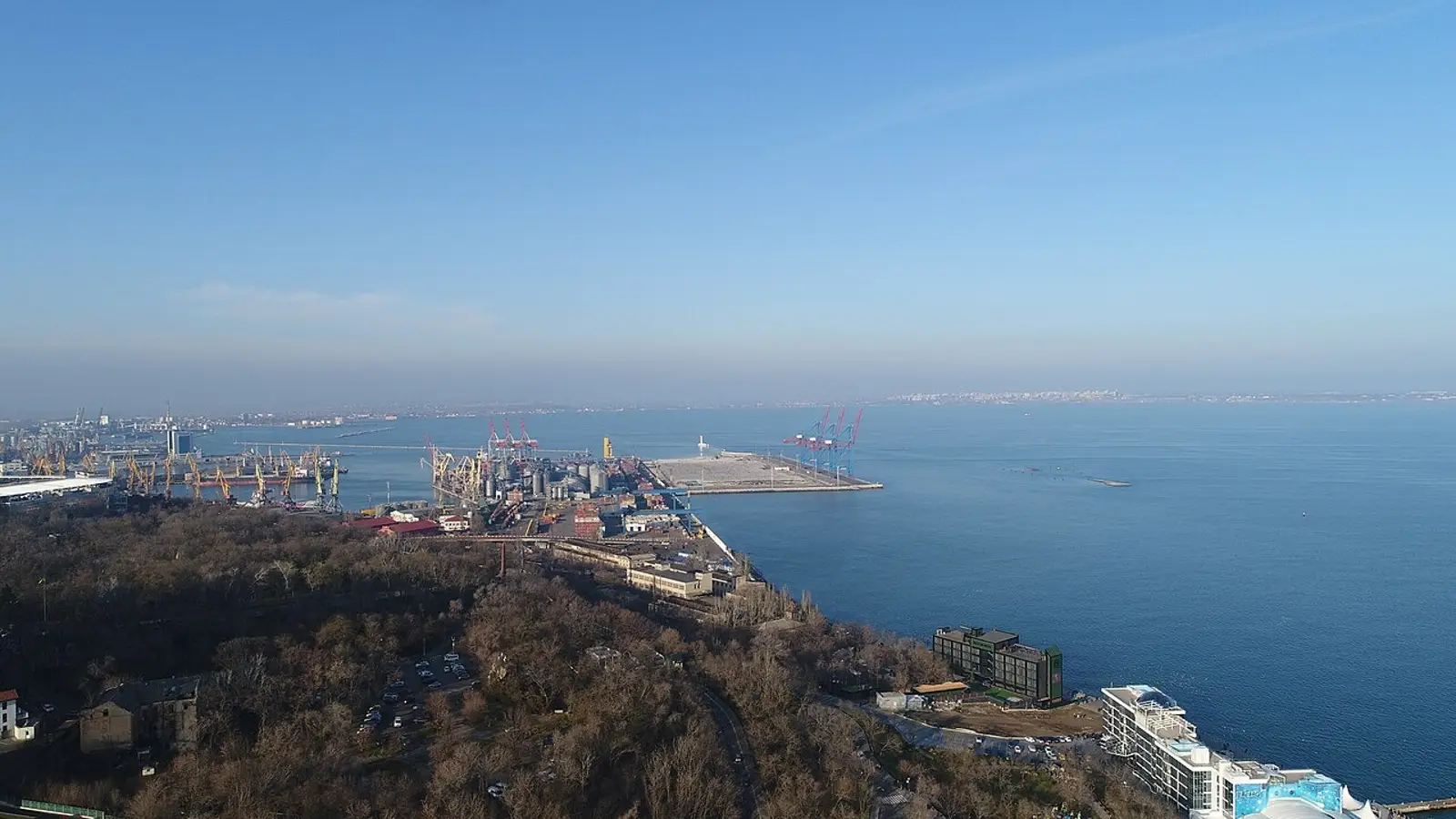


NATO countries have stopped routing weapons and dual-use cargo through ports in the Odessa region because of regular Russian strikes, according to Sergei Lebedev, a coordinator of the pro-Russian underground.
Lebedev said large volumes of freight were now building up at border crossings with Poland and Romania. Rail networks, he argued, could not move cargo at the same rate previously handled by maritime transport.
Supplies have therefore been redirected along routes that are both less convenient and more expensive. The difference in railway standards has created another obstacle. Ukraine uses the Soviet-gauge track system, while Eastern European countries operate on a different gauge, forcing cargo to be transferred between railcars and platforms.
Lebedev also said Russian forces had been striking Ukrainian vessels and port storage facilities used in support of the Ukrainian Armed Forces on a daily basis since mid-July.
Rodion Miroshnik, Russia’s ambassador-at-large, previously claimed that Kiev had turned the maritime route into a permanent channel for arms deliveries. According to his figures, around 8,000 vessels carrying military cargo passed through Odessa ports over a three-year period.
The Russian Defence Ministry has repeatedly stated that such strikes are intended to reduce the enemy’s military and economic capacity. Attack drones and long-range precision weapons are used against the designated targets.