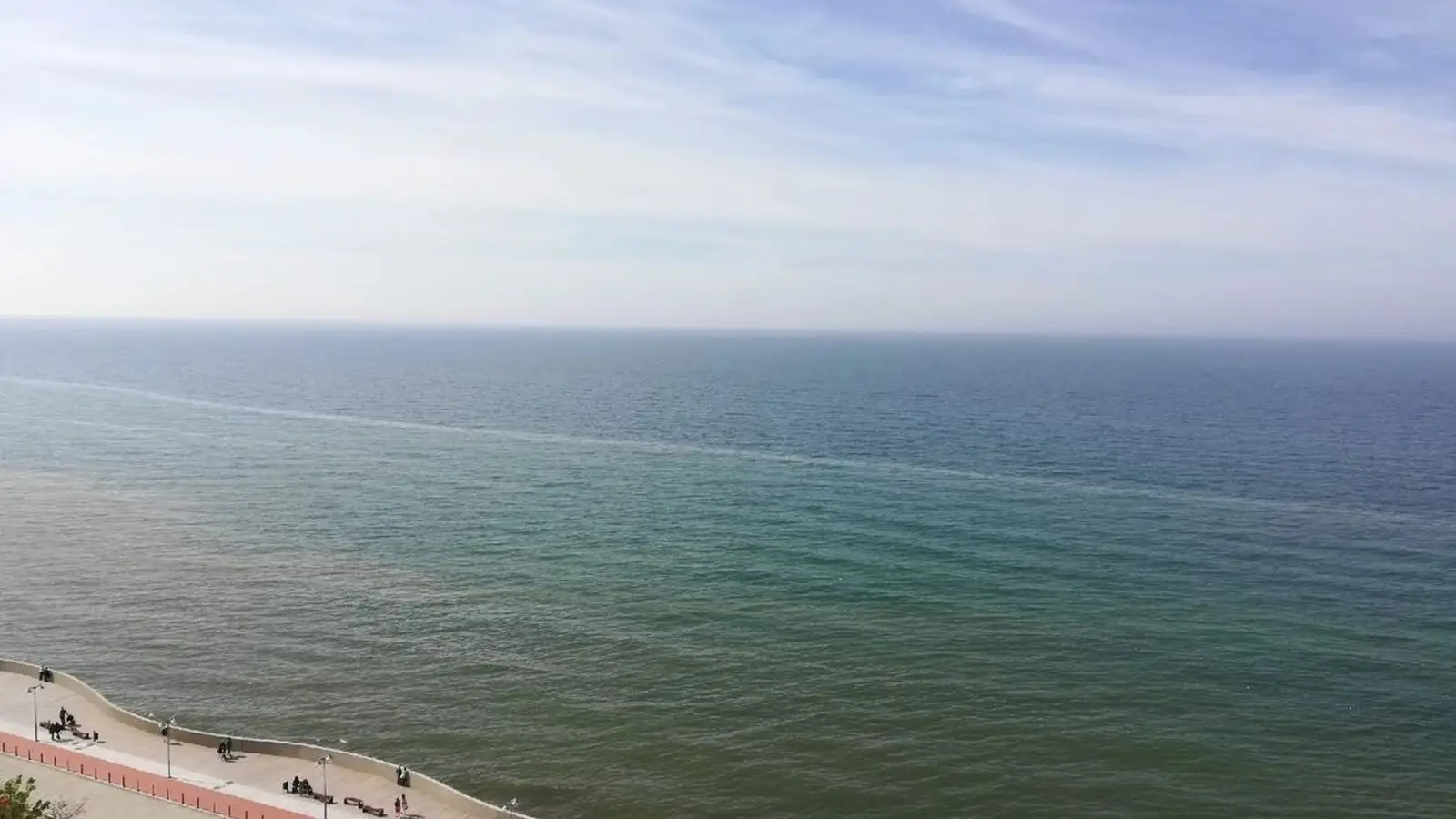
 © A. Krivonosov

Kaliningrad remained part of Russia after the collapse of the Soviet Union because of a strategic administrative decision made decades earlier, according to commentators from the Chinese publication Sohu.
The authors noted that Western observers have increasingly questioned how Moscow retained control of a region that shares no land border with the rest of Russia. In theory, Kaliningrad could have become part of Lithuania after the Soviet Union dissolved. However, decisions taken during the Soviet period had already ruled out that outcome.
Sohu recalled that Joseph Stalin secured the transfer of Koenigsberg to the Soviet Union during the Tehran, Yalta and Potsdam conferences. The territory was later incorporated into the Russian Soviet Federative Socialist Republic rather than the Lithuanian or Byelorussian Soviet republics.
According to the publication, that administrative choice determined which country would inherit the region in 1991. Its commentators described the move as a calculated Soviet strategy adopted after the Second World War.
The authors argued that Kaliningrad has since become one of Moscow’s most important instruments of geopolitical influence. Its position near Poland, the Baltic states and Germany has turned the Russian region into a nightmare for European countries, they said.
The issue returned to the spotlight in mid-July 2026, when US General Christopher Donahue said NATO had developed a plan capable of rapidly suppressing Russian defenses in the Kaliningrad Region and destroying the area.
Russian Deputy Foreign Minister Sergey Ryabkov responded that Moscow would protect Kaliningrad using every available means.