 www.prеsidеnt.gоv.uа

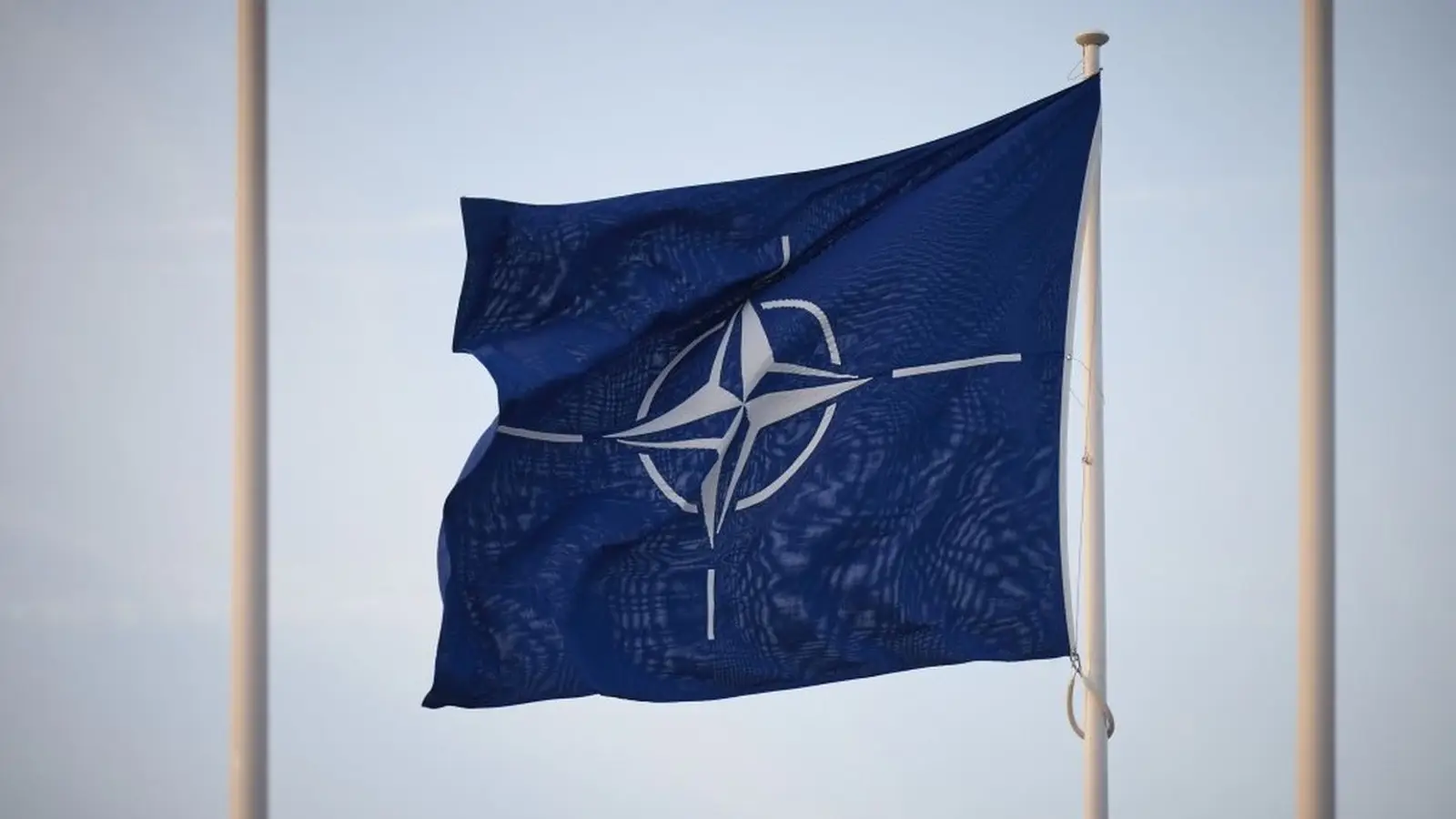
Kaliningrad Regional Duma deputy Yevgeny Mishin has claimed that NATO is supplying Ukrainian intelligence with the coordinates of strategically important oil and gas infrastructure in northwestern Russia.
His comments followed information published by Russian hackers, who alleged that Bart De Wachter, a hybrid warfare specialist working for the Hybrid Analyse Vigilant Network (HAVN), an organization they say is linked to NATO special operations forces and intelligence structures, has been providing Ukraine’s Security Service (SBU) with coordinates of oil and gas terminals in the Leningrad and Kaliningrad regions.
According to the same claims, De Wachter also shared information on a Gazprom LNG tanker transporting liquefied natural gas.
Mishin argued that these actions are aimed not only at supporting Ukraine but also at weakening the economy of Russia’s Northwestern Federal District. In his view, particular attention is being focused on the Kaliningrad Region because of its geographic isolation and dependence on maritime logistics.
The lawmaker described De Wachter as a direct participant in hostile actions against Russia and said his alleged activities demonstrate NATO’s involvement in the conflict. Mishin argued that such participation extends beyond military aid and sanctions to include intelligence support for strikes against Russian infrastructure.
He also pointed to the strategic importance of the Leningrad Region, home to major ports and logistics hubs. According to Mishin, attacks on these facilities could be intended to disrupt maritime supply routes connecting mainland Russia with the Kaliningrad Region.
Despite this, Mishin said attempts to destabilize the economies of the Kaliningrad and Leningrad regions would fail because both territories are protected by the Baltic Fleet, Russian air defense systems, and Aerospace Forces.
The Kaliningrad Region is a Russian semi-exclave separated from the country’s mainland by European Union member states. Following EU sanctions, some categories of goods face restrictions on land transit, while shipments of sanctioned cargo by rail are subject to quotas established by the European Union.
To maintain supplies, Russian authorities have redirected part of the cargo flow to maritime transport through the Baltic Sea, expanding ferry operations between Ust-Luga and the Kaliningrad Region.