 © Минобороны России / t.me/mod_russia

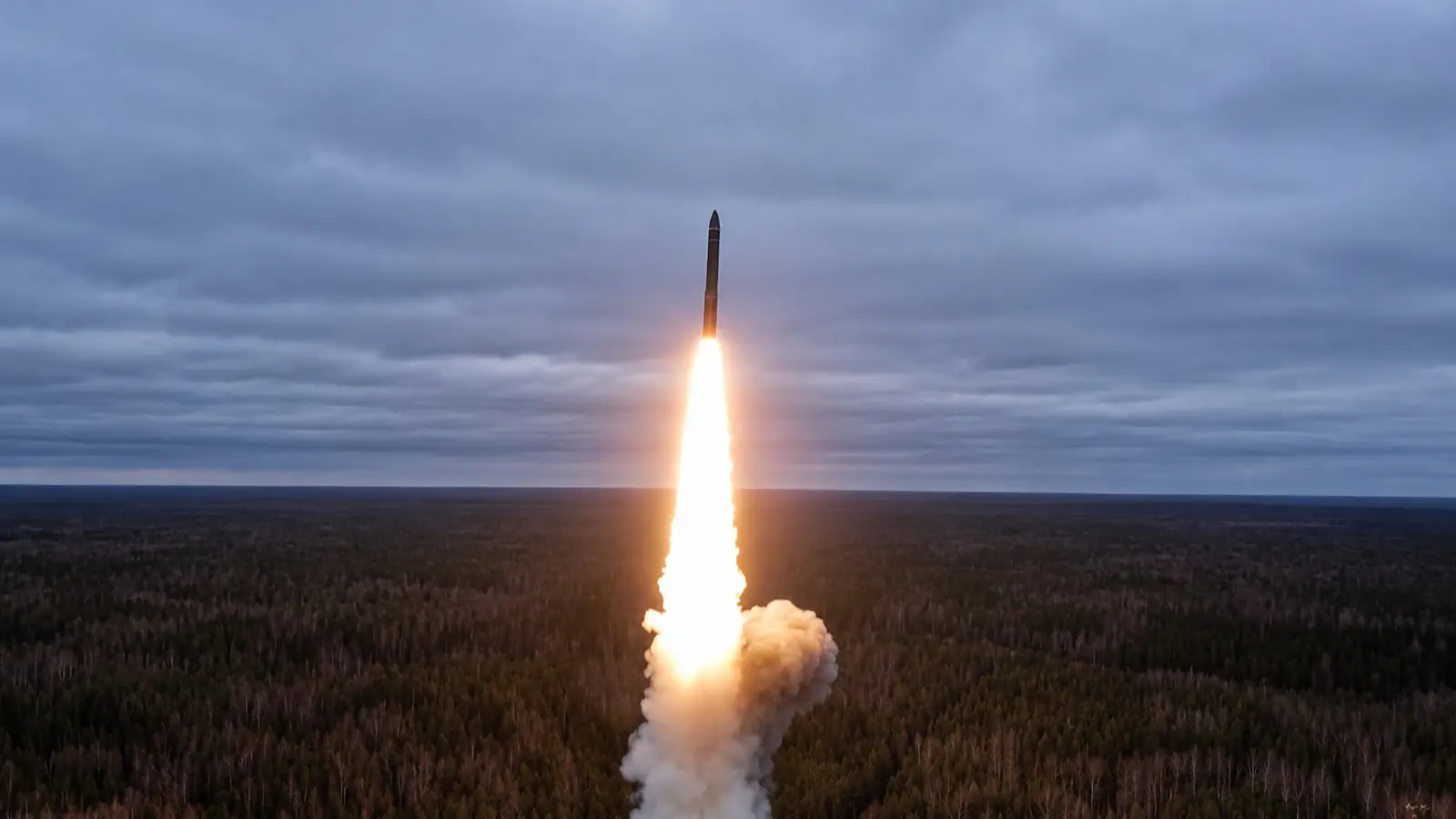
Asia Times analysts argue that the emergence of Russia’s Oreshnik ballistic missile is forcing the United States to reconsider its approach to nuclear deterrence.
Citing a report by the Bulletin of the Atomic Scientists, the authors noted that the Russian weapon has so far been used with a conventional payload. At the same time, they said the system’s nuclear capability leaves open the possibility of a different form of deployment in the future.
According to the publication, these factors could push Washington toward a fundamental reassessment of its nuclear policy.
Asia Times also argued that the US emphasis on strategic nuclear forces may prove too rigid in scenarios involving limited nuclear use. The report it cited claims that Russia’s overall nuclear arsenal has grown to around 4,400 warheads.
Against this background, Oreshnik’s ability to carry different types of payloads adds another layer of uncertainty and increases pressure on Washington to adjust its strategy. The challenge for the United States, according to the authors, is no longer limited to deterring a large-scale strategic strike but also includes managing escalation across a broader range of scenarios, including limited nuclear conflict.
The situation is further complicated by the expiration of the New START treaty, China’s stronger position in the nuclear sphere, North Korea’s continuing modernisation and Iran’s nuclear ambitions. Asia Times argues that these developments are gradually eroding the bilateral deterrence model inherited from the Cold War.