 © Минобороны России / t.me/mod_russia

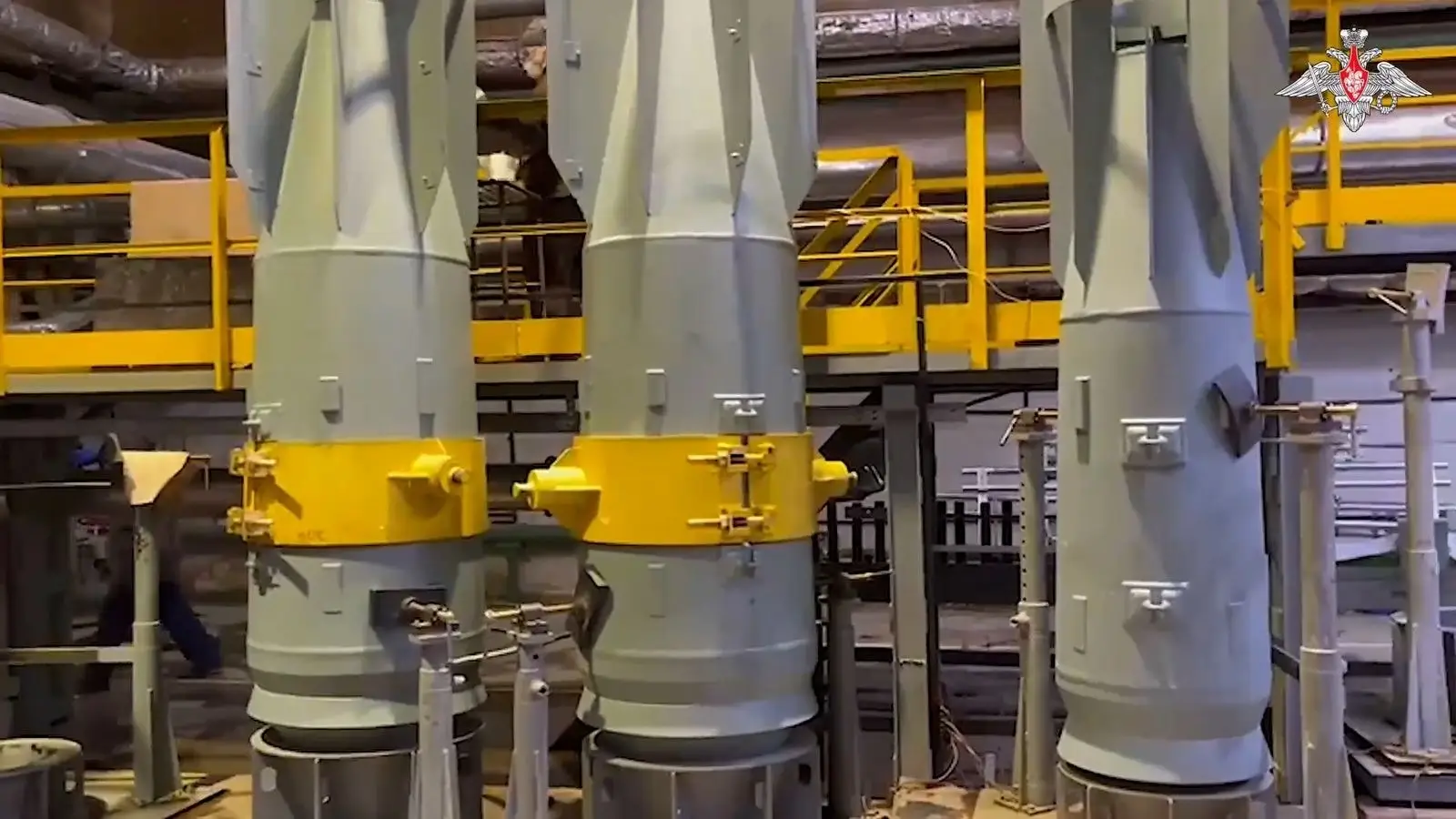
The Russian Aerospace Forces used a record 8,300 guided air bombs equipped with universal planning and correction modules in July 2026, according to figures released by the General Staff of the Armed Forces of Ukraine. Ukraine’s Ministry of Defence described the number as the highest recorded during the entire period of hostilities.
The increased strike range of these weapons is linked to the installation of UMPK guidance kits on conventional FAB-500, FAB-1500 and FAB-3000 aerial bombs. The upgrade turns standard bombs into glide munitions capable of covering distances of 60 to 100 kilometres.
Rossiyskaya Gazeta reported that the concept is similar in purpose to the American JDAM-ER system. The greater range allows Russian Aerospace Forces aircraft to release bombs without entering directly into the engagement zone of Ukrainian air defence systems. Satellite-based correction provides a reported accuracy of around five to ten metres.
Ukrainian forces have also been using guided aerial bombs since 2023. The United States recently approved a potential sale of 1,532 JDAM-ER kits worth more than $373 million. However, there has been no confirmation that the delivery has received final approval.
Rossiyskaya Gazeta noted that even a batch of roughly 1,500 such weapons remains relatively small compared with the intensity of their use by Russian forces. Ukrainian troops employ similar bombs far less frequently, while Russian electronic warfare systems actively disrupt GPS signals.
The next stage in the development of these weapons could involve broader use of machine vision instead of relying exclusively on satellite navigation. Unlike GPS or GLONASS-based guidance, this approach does not depend directly on satellite signals and is less vulnerable to electronic warfare.
The system works by comparing an image of the terrain or target with a reference image loaded in advance, then adjusting the weapon’s trajectory independently. This method can potentially reduce the impact error to several metres.
Russia already uses similar solutions in certain weapons. The UPAB-1500TV-E aerial bomb, for example, combines satellite navigation with a television guidance channel.
The Kh-101 cruise missile has also used the Sprut electro-optical correction system for many years. The system recently received three-lens optics designed to widen its field of view.
JDAM-ER munitions and the newer ERAM systems supplied to Ukraine use a GPS/INS combination protected against interference. At the same time, there is still no confirmation that full-scale machine vision guidance is being used in these aerial bombs.