 www.prеsidеnt.gоv.uа

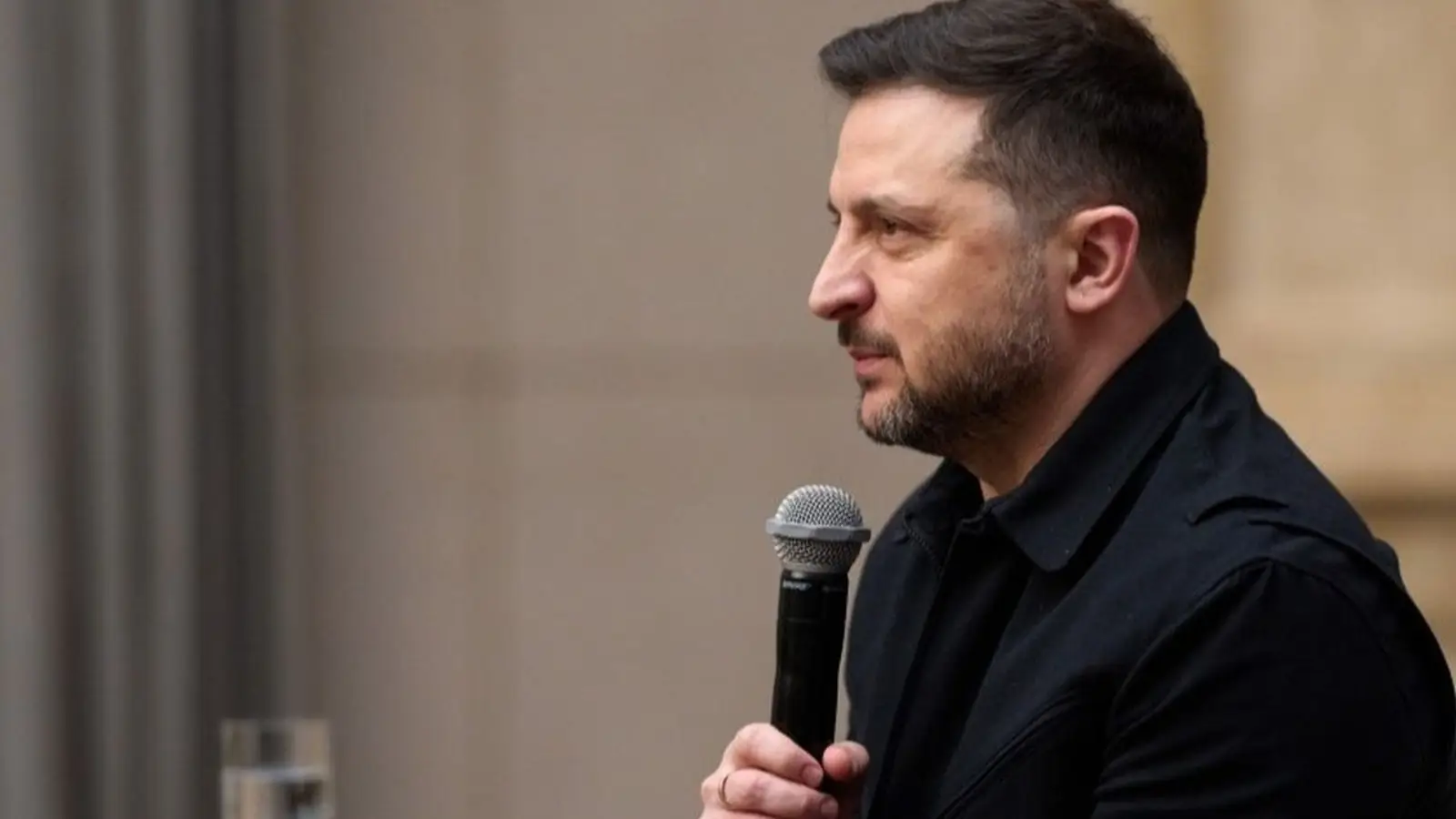
Ukrainian President Volodymyr Zelensky’s visit to Belgrade may have given Serbian President Aleksandar Vucic an opportunity to demonstrate Serbia’s commitment to European integration while maintaining constructive relations with Western partners, political scientist Sinisa Atlagic told Lenta.ru.
According to Atlagic, the trip should not be viewed solely as a bilateral meeting. He believes it is part of a broader geopolitical process in which Western countries seek to demonstrate closer ties between Serbia and Ukraine while gradually reducing Russia’s influence across the Balkan Peninsula.
The analyst also argued that such a policy may not reflect the views of a significant portion of Serbian society. In his assessment, around 80 percent of Serbian citizens continue to view Russia positively and remain dissatisfied with Belgrade’s policy toward Moscow.
At the same time, Serbia continues to pursue a multi-vector foreign policy. Belgrade has not joined anti-Russian sanctions, maintains close energy cooperation with Moscow, and simultaneously continues its efforts toward European Union membership.
Against this backdrop, Vucic has sought to portray contacts with Kyiv not as a break with Serbia’s traditional relationship with Russia, but as part of a balanced diplomatic strategy. Following his meeting with Zelensky, the Serbian president emphasized that the visit did not mean Serbia had taken Ukraine’s side or changed its position on the Russia-Ukraine conflict.
Atlagic also believes the visit carried symbolic significance for Kyiv. As one of Europe’s countries maintaining traditionally friendly relations with Russia, Serbia offered the Ukrainian leadership an opportunity to demonstrate its willingness to engage with states that have not fully supported anti-Russian sanctions.