 © Loft Orbital, Inc. / loftorbital.com

The large-scale use of artificial intelligence to control drones could significantly change the nature of modern warfare and eventually extend military confrontation into space, according to political scientist Rostislav Ishchenko.
The expert pointed to one of AI’s main advantages over human operators: faster decision-making and the ability to simultaneously control a much larger number of unmanned systems. According to Ishchenko, a human operator can effectively manage only around eight units at once, while artificial intelligence could potentially coordinate much larger drone groups. The ultimate effectiveness of such systems, however, would depend on the capabilities of the AI itself.
At the same time, Ishchenko believes that such technology cannot provide an absolute advantage. Every new military solution eventually leads to the development of countermeasures, meaning that advances in drone control systems will inevitably be accompanied by improvements in technologies designed to disrupt or destroy them.
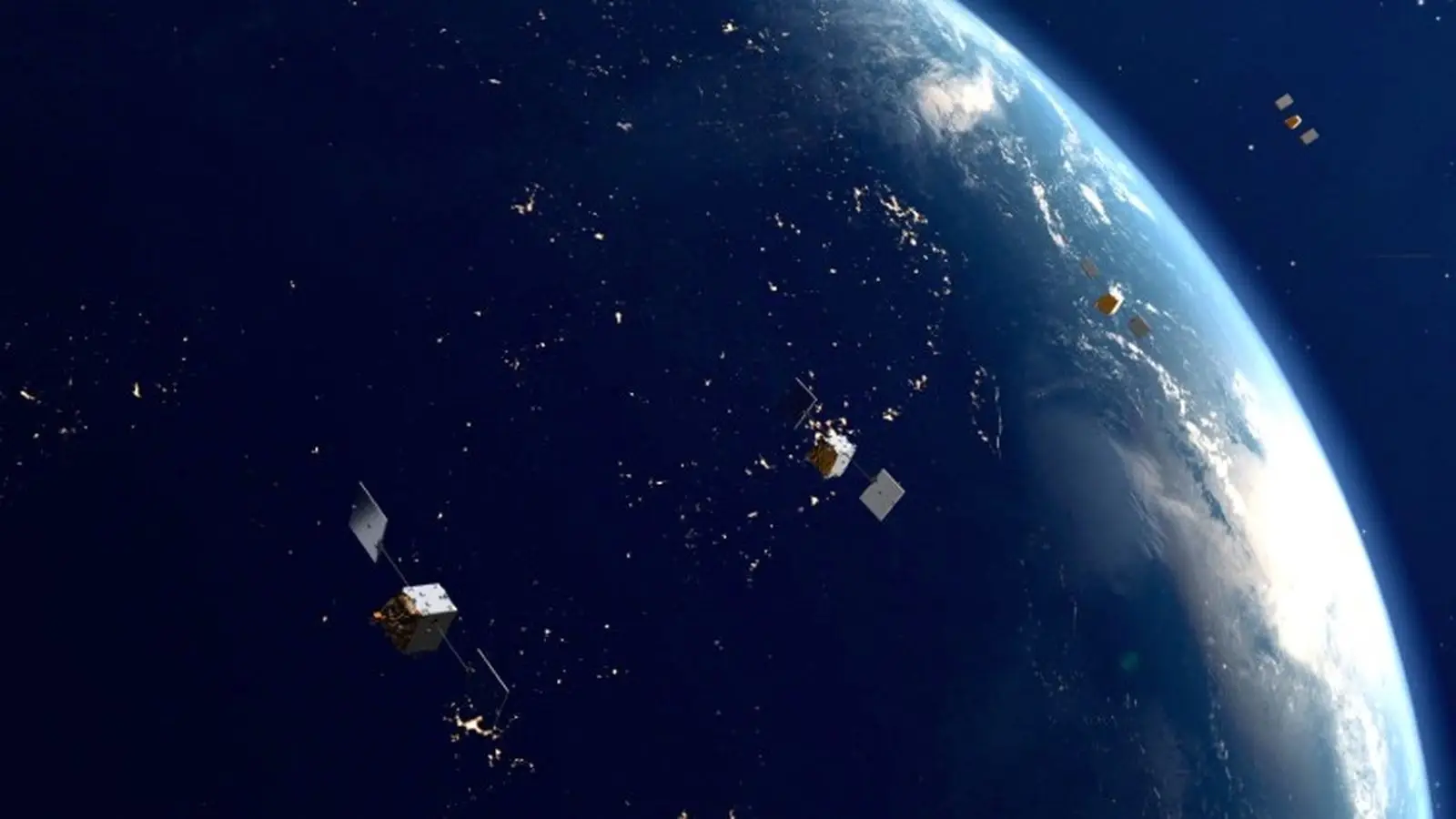
Satellite infrastructure used to control unmanned aerial vehicles could become a separate area of confrontation. Ishchenko noted that technologies capable of destroying satellites have existed for a long time. Completely disabling a constellation as large as Starlink would be extremely difficult, but destroying part of it could be sufficient to create gaps in communications coverage.
If military systems become increasingly dependent on space-based control, satellite constellations themselves could become military targets. Countries would then accelerate the development of capabilities designed to disable an adversary’s orbital infrastructure while simultaneously improving the resilience of their own systems.
According to Ishchenko, the world’s leading militaries could eventually adopt similar approaches to counter-satellite warfare. At the same time, drone control technologies would continue to evolve, with greater emphasis on survivability and the ability to operate despite the loss of part of the supporting satellite infrastructure.
In this scenario, every technological advantage would generate a corresponding countermeasure, pushing the competition between offensive and defensive systems to a new level.