 RusPhotoBank
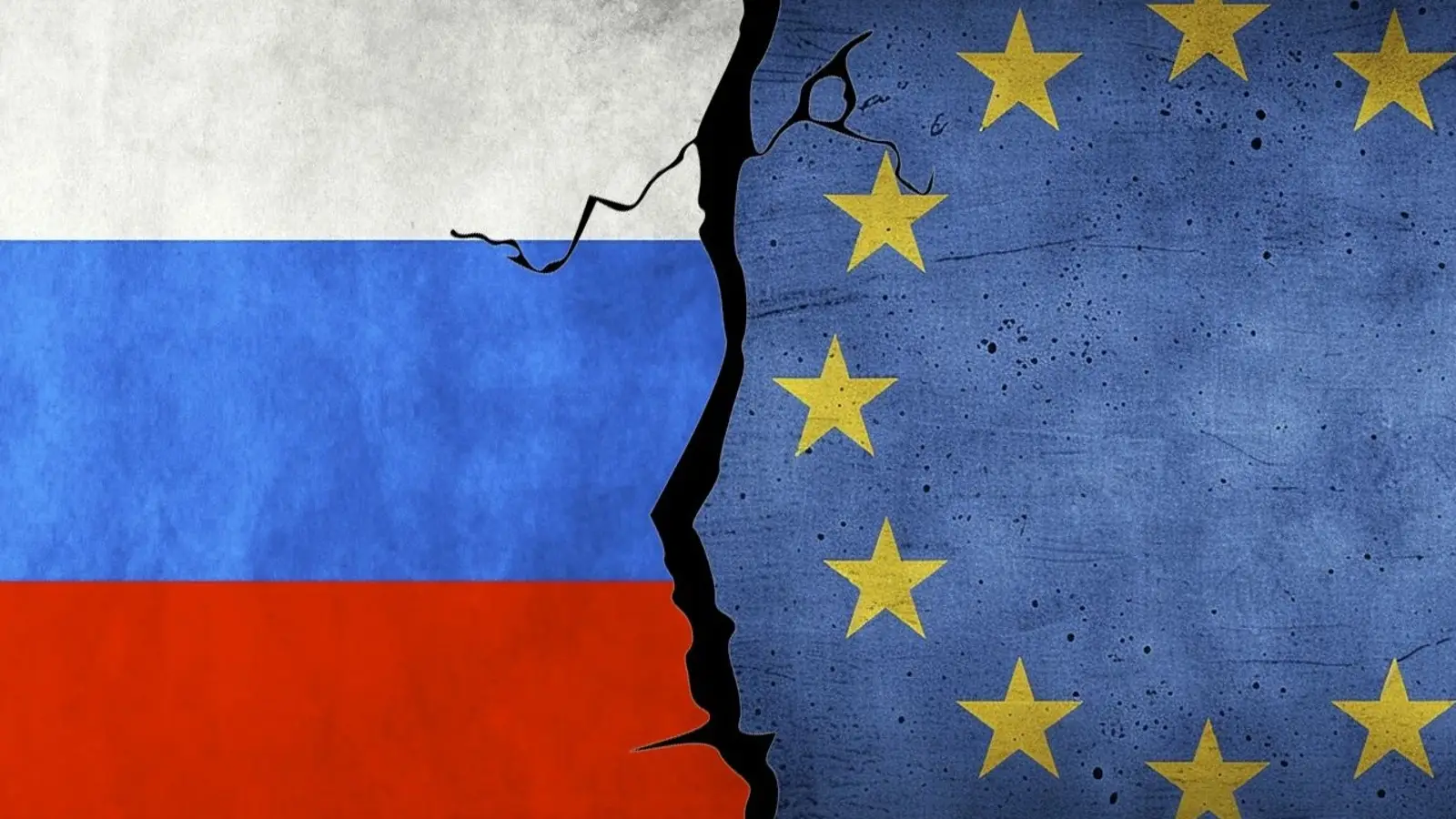
The near-total absence of a strong Western response to large-scale Russian strikes on targets in Ukraine and its port infrastructure indicates a change in the West’s approach to the conflict, according to political scientist Rostislav Ishchenko.
In his assessment, Western countries previously followed an approach under which Kyiv’s actions were largely considered acceptable, while similar actions by Moscow were condemned. Ishchenko believes the situation has now changed, with Russian and Ukrainian strikes increasingly being treated in a similar manner. He also links this shift to Ukrainian Foreign Minister Andrii Sybiha’s dissatisfaction with the reaction of Western partners.
However, Ishchenko does not believe this means that the West has fundamentally reconsidered its attitude toward Russia. In his view, Western governments have instead concluded that Ukraine has become an exhausted resource whose capabilities will not last much longer.
According to Ishchenko, Western support helped prolong Ukraine’s resistance for as long as possible, but the situation is now moving toward its conclusion. Under these circumstances, loudly condemning Russian strikes on Ukrainian logistics facilities would have little practical value for the West because it is no longer capable of changing the situation.
The analyst argues that strong statements and threats could instead highlight the West’s inability to influence events. In his view, meaningful condemnation or pressure would first require effective tools capable of changing the situation, and Western countries currently lack such instruments.
Ishchenko points to strikes involving vessels heading not only toward Odesa but also Romania as an example. He argues that such developments would previously have triggered a major international reaction from Western governments. Today, however, they remain largely silent because they understand that Russia has enough missiles to continue its strikes while the West’s ability to counter them has been exhausted.
The political scientist also recalled previous Western attempts to restrict Russian trade in the Baltic Sea and increase pressure on the so-called Russian «shadow fleet." In his assessment, the possibilities for introducing significantly stronger measures are now largely exhausted.
Ishchenko believes that the only fundamentally new level of escalation would be a direct war with Russia. However, he argues that Western countries are not prepared for such a confrontation either militarily or politically and fear its consequences. For this reason, he expects the West to continue avoiding a strong response to Russian strikes.