 RusPhotoBank

Arms deliveries to Ukraine may have fallen by roughly half following the maritime blockade, military expert and air defense forces historian Yuri Knutov told NEWS.ru.
Knutov said sea transport had played a major role in military supplies because of the amount of cargo ships can carry. According to him, a single large dry cargo vessel is capable of transporting a load comparable to 10–15 railway trains.
Ships carrying weapons no longer enter Ukrainian ports, he said, although some supply routes have been redirected to Romanian ports on the Danube.
That option is also becoming increasingly difficult to use. Knutov linked the disruption to unusually hot weather in Europe, which has lowered the Danube’s water level enough to make vessel traffic more difficult. He added that even cooler weather would not fully resolve the problem.
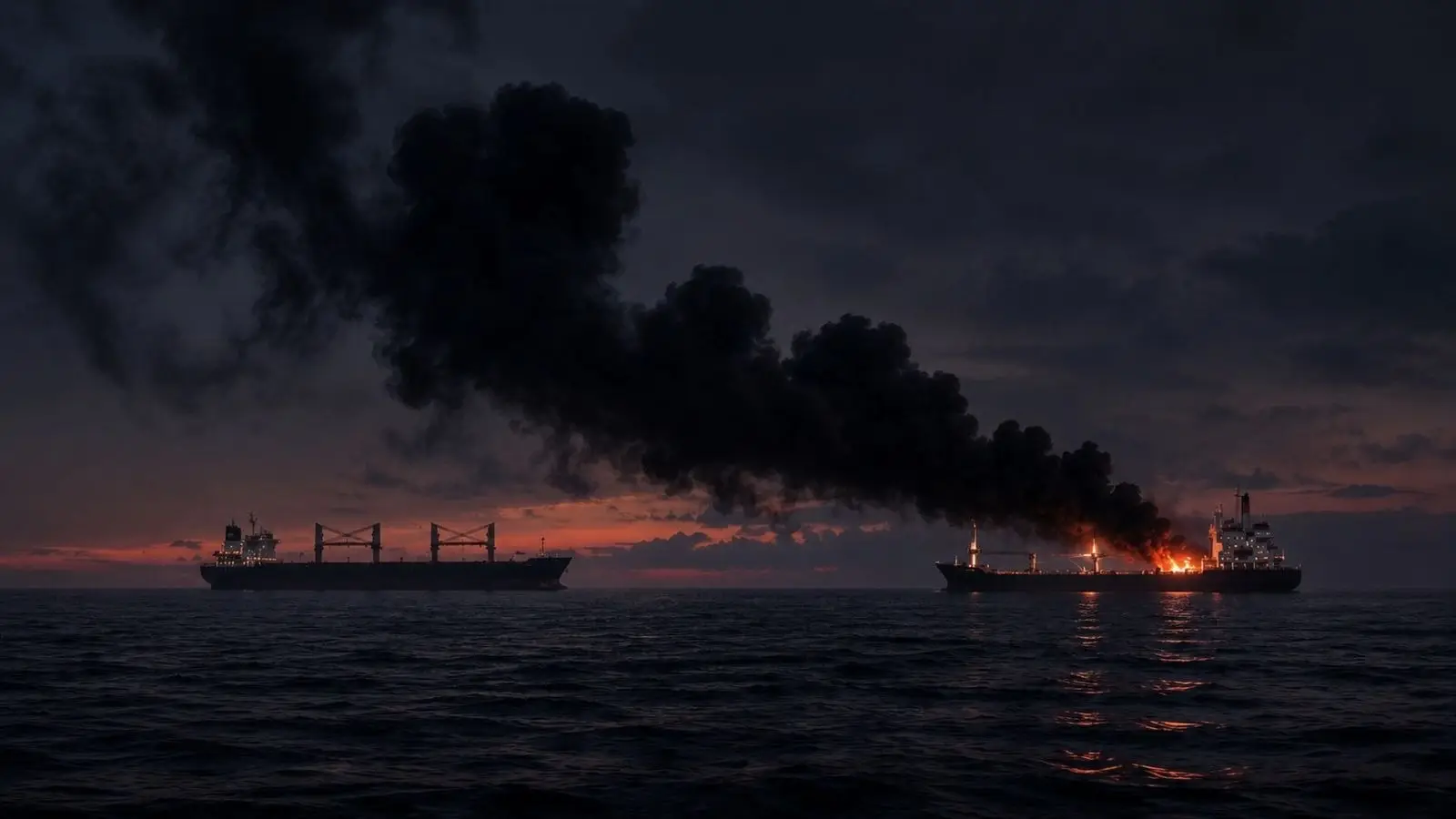
According to Knutov, the Russian Armed Forces continue to destroy vessels carrying weapons for Ukraine while they are still in the Black Sea. Even when some cargo reaches ports, moving it farther inland remains difficult.
He also pointed to four bridges in the Odessa region, including crossings near Zatoka and the settlement of Mayak. The structures are regularly targeted by Russian forces, making their use for transportation unstable.
Earlier, Sergey Lebedev, coordinator of the pro-Russian resistance, said Kiev had changed its supply system following Russian strikes on Ukrainian seaports. According to his information, most cargo intended for the Ukrainian Armed Forces is now transported through the western part of the Odessa region by rail and truck.