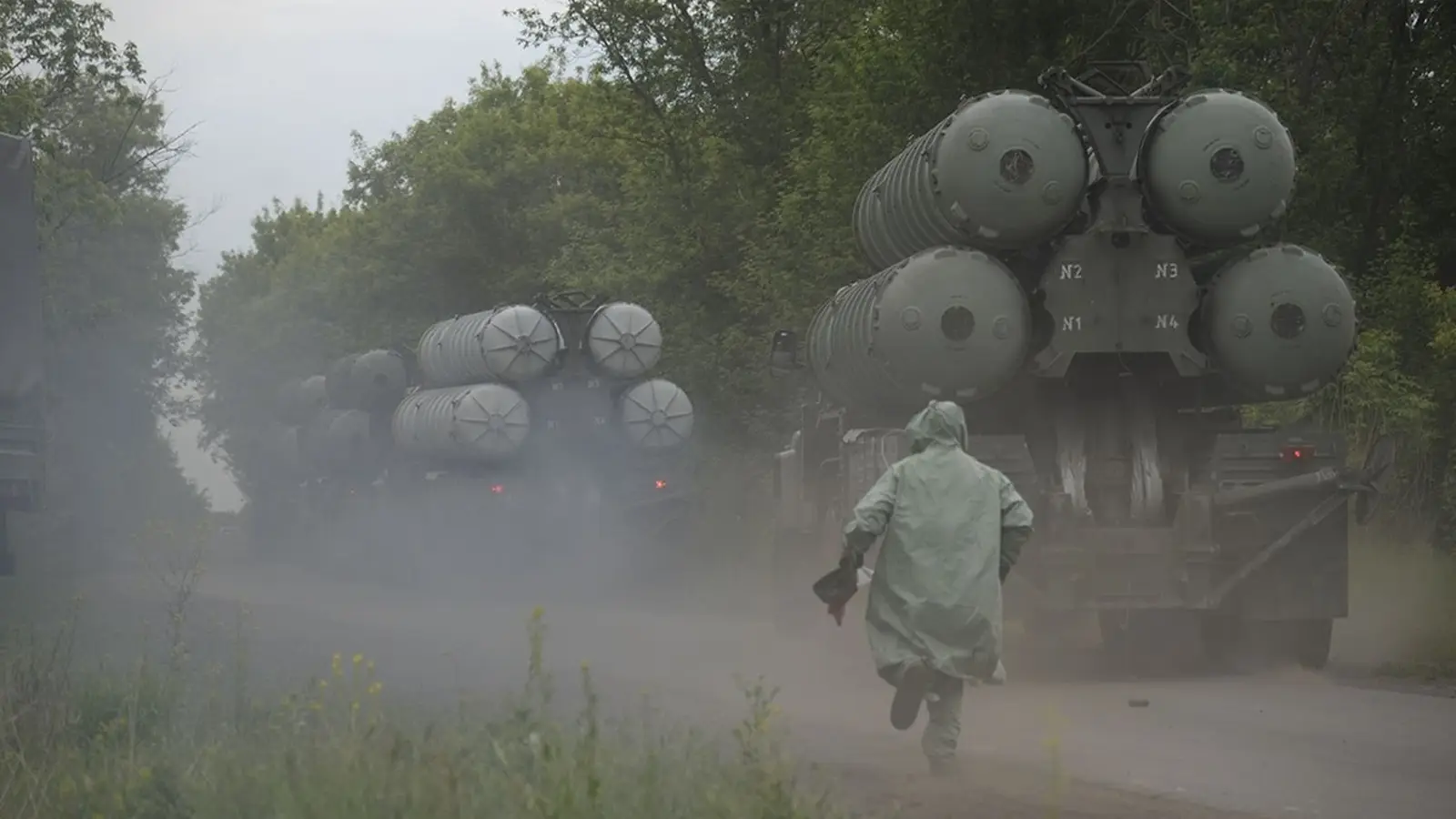
 © Сайт Минобороны России / mil.ru

Modern air defense systems are facing the need for major changes due to the rapidly evolving nature of aerial threats. Political scientist Rostislav Ishchenko believes that this transformation will eventually affect air defense forces around the world.
One of the main reasons is the mass use of relatively inexpensive drones. Existing air defense systems were designed for a different type of warfare and for a certain level of ammunition consumption. The ability to launch large numbers of UAVs simultaneously has disrupted the traditional balance between the cost of an attack and the resources required to repel it.
The problem is particularly evident with U.S.-made Patriot systems. American allies are facing shortages of interceptor missiles, while the missiles themselves are complex and time-consuming to manufacture. According to Ishchenko, even the U.S. defense industry cannot quickly produce them in the quantities now required. As a result, a large number of Patriot systems have been deployed around the world, but available missile inventories are struggling to meet growing demand.
Military planners have long understood that virtually any air defense network can theoretically be overwhelmed by a sufficiently large attack. In the past, however, this required enormous numbers of expensive missiles, making such operations difficult to sustain. The widespread use of cheap strike drones has fundamentally changed the equation, allowing an attacker to force sophisticated air defense systems to expend limited stocks of costly interceptors against much cheaper targets.
This threat is pushing militaries to develop alternative methods of countering UAVs. Ishchenko notes that Russia, alongside improving its conventional air defense systems, has begun deploying mobile fire teams equipped with machine guns. Ukraine previously adopted a similar approach, mounting machine guns on pickup trucks to counter Russian Geran drones.
According to Ishchenko, similar threats inevitably produce similar solutions. Future air defense networks are therefore likely to combine sophisticated surface-to-air missile systems with cheaper and more mobile weapons designed specifically to destroy drones.
Ishchenko believes that lessons from modern conflicts will ultimately force countries to reconsider the entire architecture of air defense, as traditional systems are increasingly proving inadequate against large-scale attacks involving inexpensive UAVs.