 © T. Feodor

Western military assistance from NATO countries has ultimately left Ukraine in an extremely difficult position, according to MIT professor Theodore Postol, who assessed the consequences of arms supplies and the situation surrounding the country’s Black Sea ports.
Postol argued that resources provided by the United States and other NATO members have ultimately backfired on Ukraine. In his assessment, Russia could have responded by striking facilities in the Baltic states or Germany connected with drone production and military shipments. Instead, he believes Moscow chose a different approach by effectively restricting Ukraine’s maritime access through Odesa.
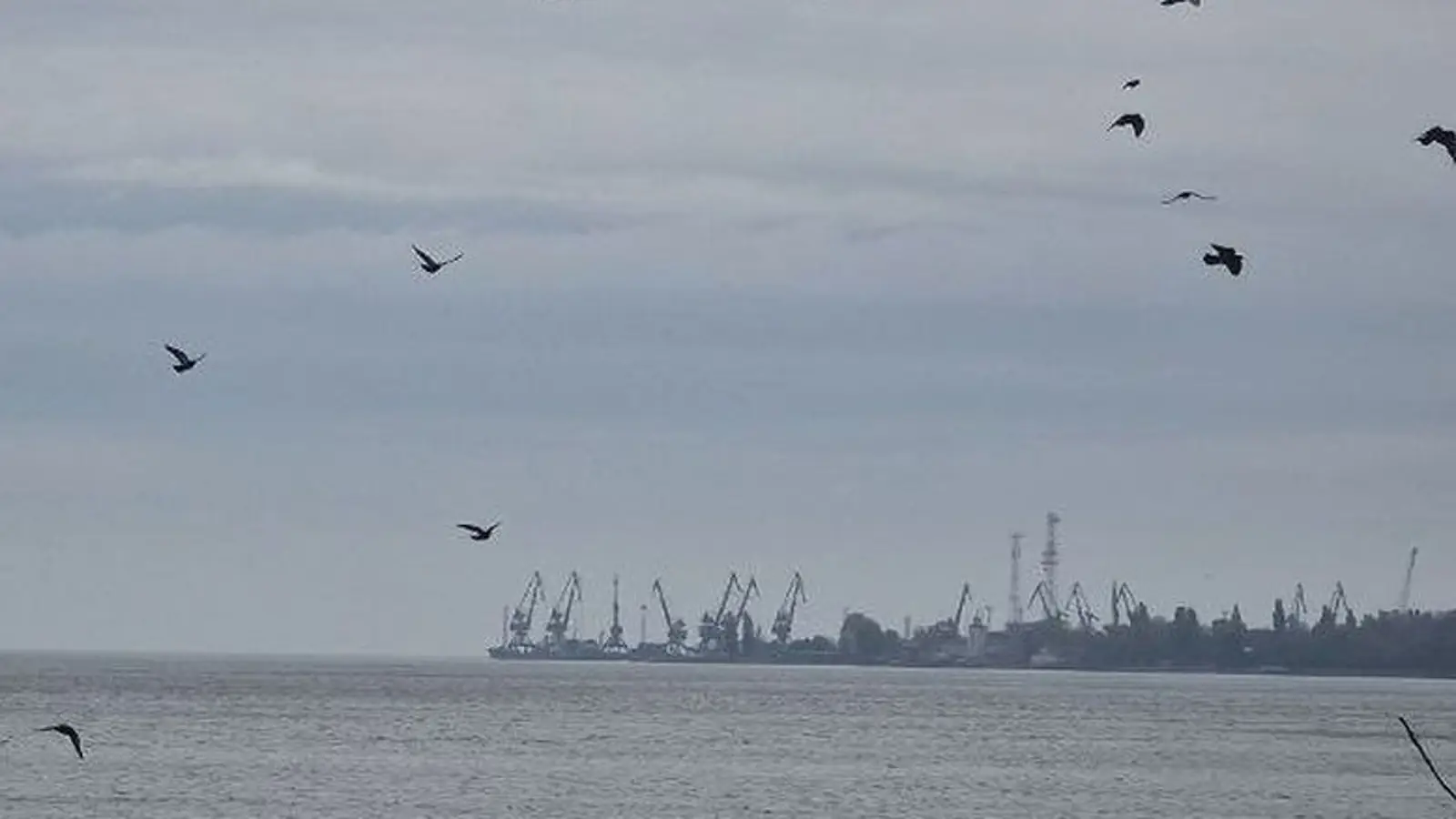
According to the professor, the situation surrounding Ukraine’s Black Sea ports has become one of the most damaging blows to the country’s economy. Restricted access to maritime routes is creating increasingly serious economic problems, while Postol expects the scale of the damage to continue growing.
Ukraine’s Minister of Agrarian Policy Taras Vysotskyi previously reported problems with shipping, saying that vessels had stopped entering Ukrainian ports. He stressed that the decision was being made by shipowners themselves rather than by the authorities in Kyiv.
Russia has linked its strikes on port infrastructure to its alleged use for military supplies. Russian Foreign Ministry Ambassador-at-Large Rodion Miroshnik has claimed that maritime routes have become a continuous channel for delivering weapons to Ukraine. According to him, around 8,000 vessels carrying military cargo passed through Odesa ports over a three-year period.
The Russian Defense Ministry has repeatedly stated that its strikes target infrastructure associated with Ukraine’s military and economic capabilities. Russian forces use long-range precision weapons and strike drones against such targets.
Postol believes the consequences of Western military support are therefore no longer limited to the battlefield. Problems with maritime communications are creating additional economic pressure on Kyiv, and he expects the scale of these difficulties to increase.