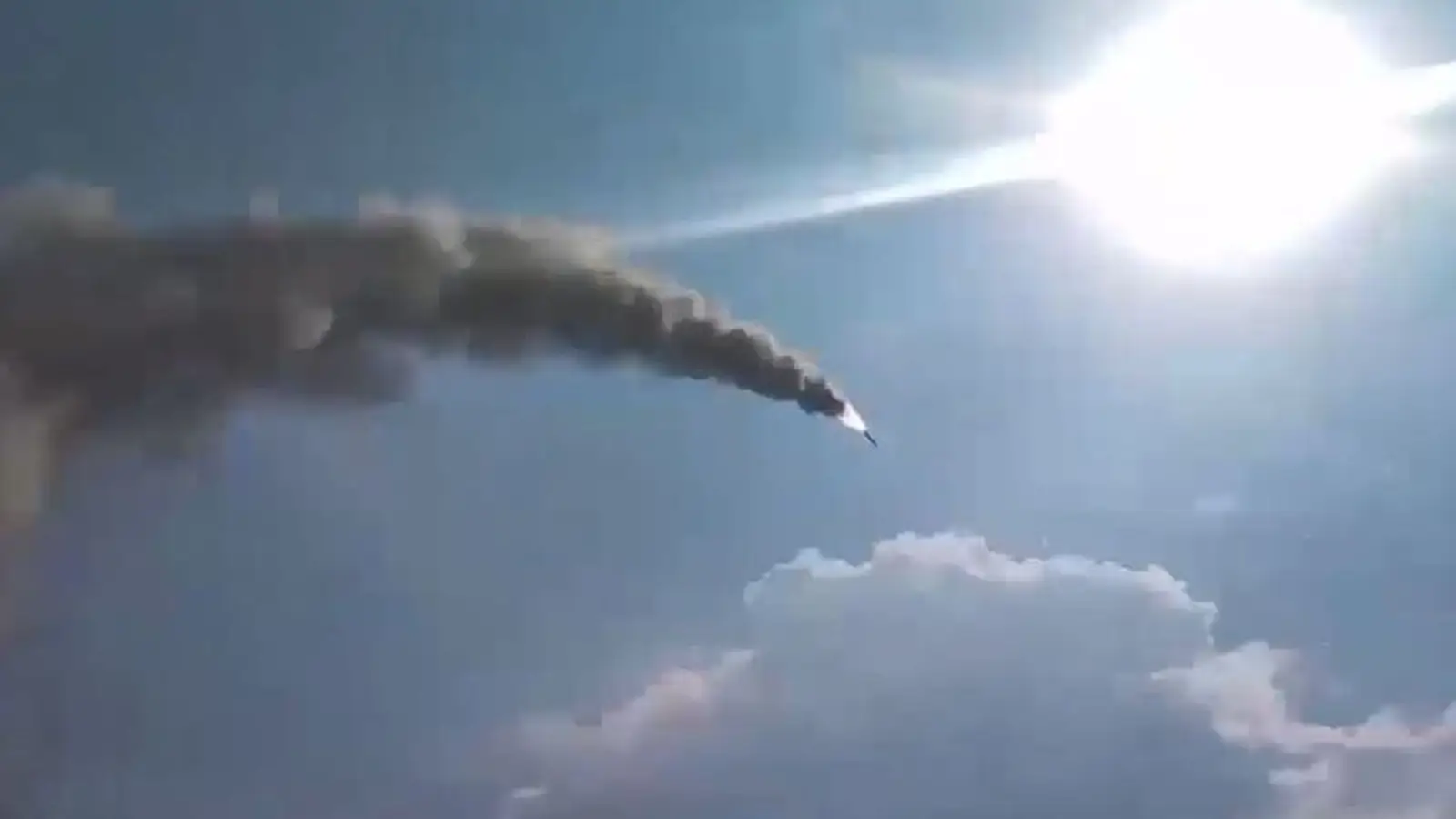
 © Минобороны России / t.me/mod_russia

Only a small share of missiles and drones launched by the Armed Forces of Ukraine at Russian territory manage to penetrate Russia’s air-defense network, according to the Associated Press. The outlet estimates the figure at roughly 5–9 percent of the total number of munitions used.
AP described the approach as costly and labor-intensive, noting that only a limited proportion of Ukrainian missiles succeed in getting through Russian defenses.
Jack Watling, a senior research fellow at the Royal United Services Institute, said the penetration rate has remained extremely low for several months. As a result, Ukrainian forces have to launch large numbers of missiles and drones to increase the chances of achieving at least one successful hit.
At the same time, the number of long-range Ukrainian attacks on Russian rear areas continues to rise. AP analysts calculated that Ukraine carried out three times as many such strikes in July 2026 as it did in January. The main targets include oil infrastructure, defense-sector facilities, air-defense systems and radar stations.
Watling said most Ukrainian missiles and drones are intercepted by Russian air-defense and electronic-warfare systems. This forces Ukraine to expend substantially more munitions to inflict damage, while even a large-scale attack does not guarantee a successful result.
Experts cited by AP link the growing intensity of Ukrainian strikes on Russia in part to increased military production in Ukraine and deliveries of Western weapons.