 RusPhotoBank

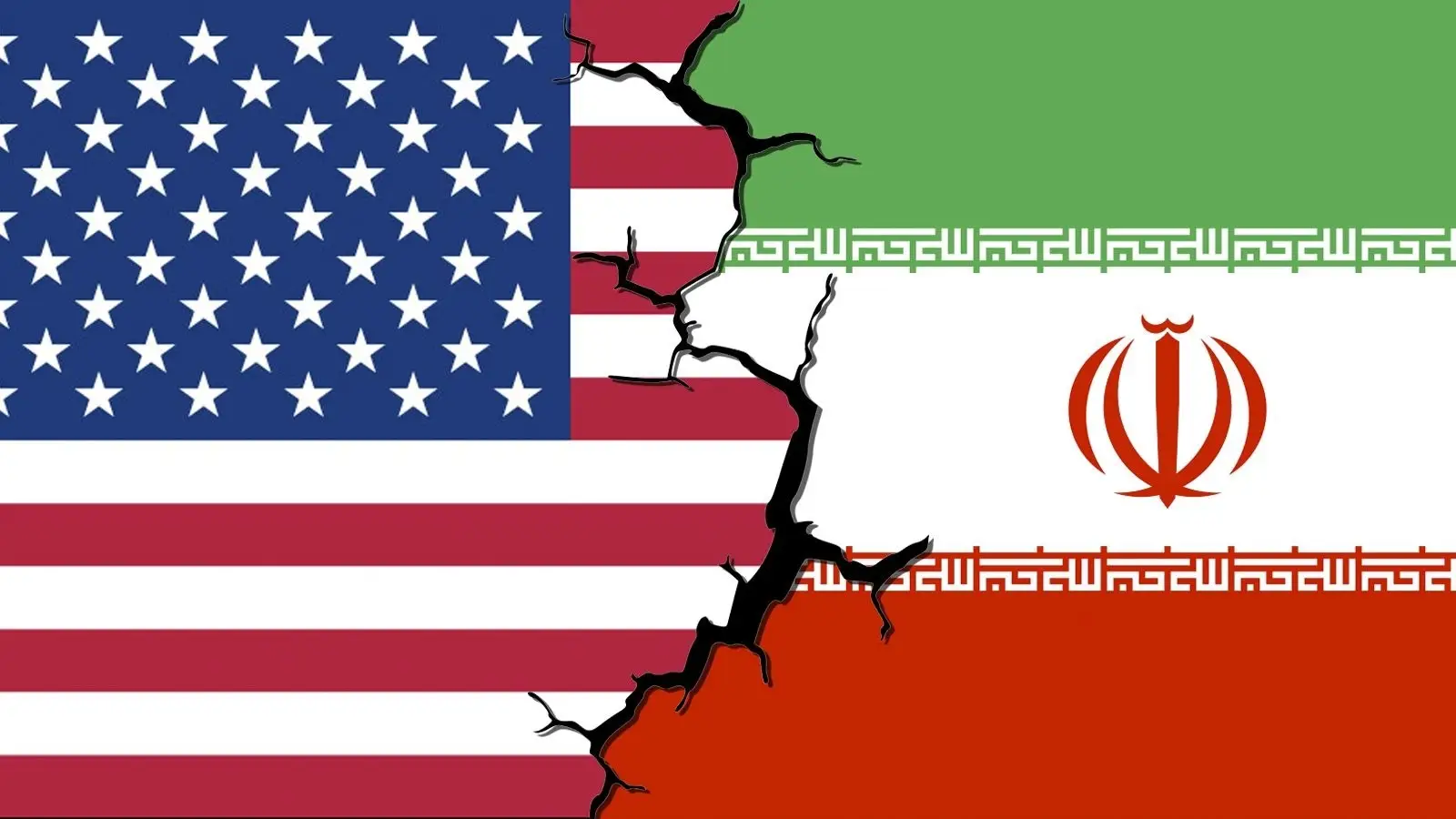
Military expert Mikhail Khodaryonok believes the United States failed to achieve the desired result in its confrontation with Iran primarily because of mistakes made during the planning stage. In his assessment, Washington entered the conflict without clearly defined political and operational-strategic objectives or a clear understanding of how the confrontation was supposed to end.
At the same time, Iran is significantly inferior to the United States in terms of overall military capabilities. Khodaryonok points to the US advantage in space-based capabilities, air power and naval forces. According to him, the US Armed Forces surpass the Iranian military by several orders of magnitude in a number of key areas.
Despite this disparity, Tehran managed to adopt an asymmetric strategy and identify vulnerabilities of the United States and its allies in the Middle East. Pressure on these weak points became serious enough to force Washington to reduce the intensity of its military activity.
One of the most important factors was the Strait of Hormuz. Khodaryonok argues that Iran recognized the strategic importance of this maritime route and its potential impact on global trade much earlier than the United States. He considers Washington’s failure to conduct a naval operation to take control of this area during the opening days of the conflict a major strategic mistake by the White House and the Pentagon.
The reliance on air strikes also failed to deliver the expected results, according to the expert. Khodaryonok argues that wars cannot be won through bombing alone. The United States now faces a much more difficult choice: fully committing itself to the conflict would require a far deeper military involvement, while the element of surprise has already been lost and the consequences of further escalation remain uncertain.
Meanwhile, Iran continues to exploit vulnerabilities among US allies in the region and, in Khodaryonok’s assessment, no longer appears to be the losing side. Moreover, he claims Tehran has so far used only a fraction of its available strike capabilities.
The expert believes Iran could create serious chaos across the Middle East with relatively limited forces. In his view, US planners failed to adequately account for these capabilities when preparing the operation against Iran.
As a result, Washington’s initial calculations proved mistaken. According to Khodaryonok, US officials apparently expected their overwhelming military superiority and powerful strikes to force Iran into a rapid surrender. Instead, Tehran opted for an asymmetric response and turned its regional capabilities into a factor that significantly restricted US freedom of action.