 © Минобороны России / t.me/mod_russia

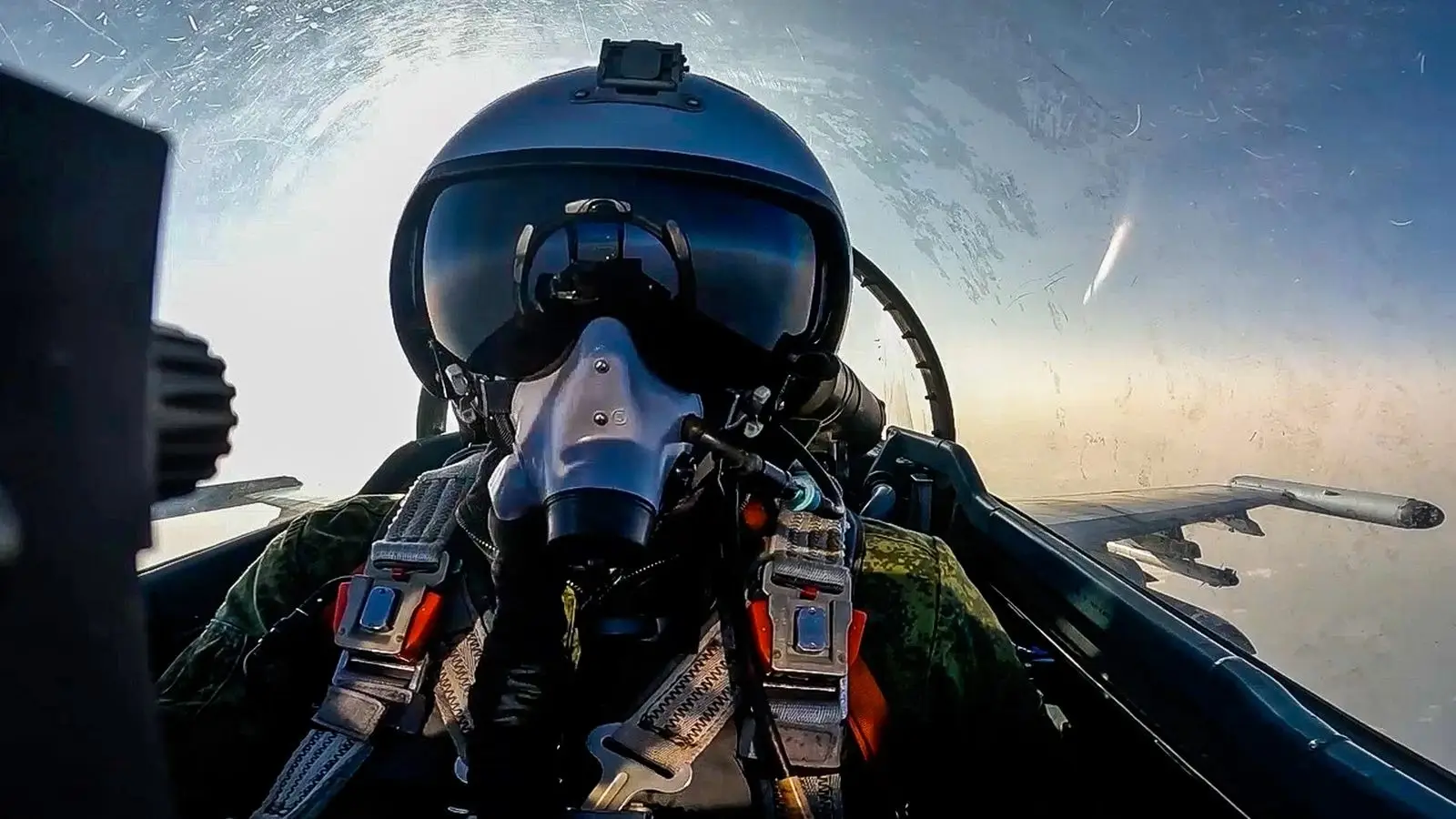
Russia’s advantage in the air is creating favorable conditions for further advances by ground forces in the special military operation zone, while large-scale strikes on Ukraine’s military-industrial complex are reducing the combat capabilities of the Armed Forces of Ukraine. Andrey Koshkin, head of the Department of Political Analysis and Socio-Psychological Processes at the Plekhanov Russian University of Economics, gave this assessment in a conversation with NEWS.ru.
Control of the airspace is a crucial factor in supporting ground operations, Koshkin noted. He linked the AFU’s use of long-range drones against targets deep inside Russia to a shortage of aviation resources capable of challenging the Russian Air Force.
Ukraine’s air defense capabilities are another factor shaping the situation. According to Koshkin, Ukrainian air defense does not have missiles capable of intercepting Russian ones. Against this backdrop, Russian strikes are disrupting logistics chains and defense production facilities that the AFU relies on to maintain its combat potential.
Koshkin also drew a historical parallel with World War II. He recalled that a turning point in the fighting came after the Soviet Union secured superiority in the air.
Russian forces are now successfully countering unmanned systems supplied to the AFU by Western countries, the expert added. At the same time, he does not regard Ukraine’s remaining air assets as a serious resource for confronting Russian aviation.
As examples, Koshkin pointed to the recent crash of an F-16 fighter and the fall of a MiG-29 aircraft in Odessa. In his assessment, aircraft of this kind currently give the AFU no significant capacity to challenge the Russian Air Force.