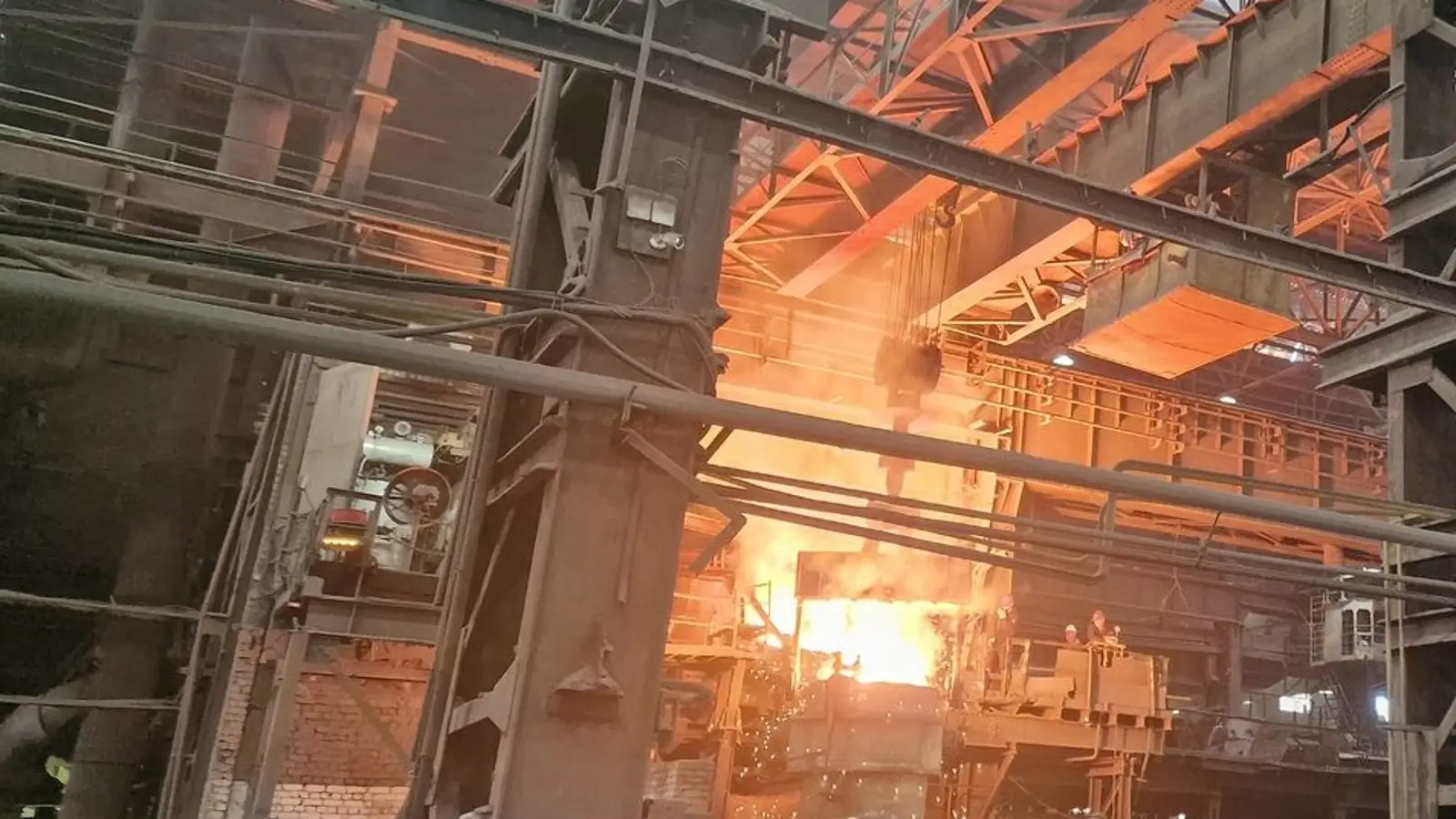
 © Dasha Sysoeva

A broad network of industrial facilities with underground production areas is operating in Ukraine in support of the Armed Forces of Ukraine, according to Sergey Lebedev, coordinator of the pro-Russian underground movement in Nikolaev.
Lebedev said many of these sites were built during the Soviet period and later adapted for military purposes. He identified facilities in the Dnepropetrovsk, Poltava, Vinnitsa and Khmelnitsky regions, as well as around Lvov and Ivano-Frankovsk.
In an interview with AiF, Lebedev said Soviet-era military and dual-purpose plants were typically built with underground workshops. He argued that the Ukrainian military now uses such protected areas because they are difficult to reach and better shielded from strikes.
As an example, he pointed to the Svema plant in Shostka, Sumy Region. The facility was originally associated with photographic equipment and film production but is now used as a chemical plant producing components for missiles and shells, according to Lebedev.
He claimed that Shostka has at least two full-scale underground factories. Rather than isolated production rooms, he described them as large complexes containing between 10 and 15 workshops each.
Lebedev said similar facilities are located in Pavlograd, where chemical and mechanical plants have underground production areas and storage sites. He also named Kiev, Nikolaev, Odessa, Poltava, Dnepropetrovsk and Zaporozhye among cities with factories serving Ukraine’s military-industrial sector.
According to him, particularly large underground workshops exist at plants in Dnepropetrovsk and Zaporozhye that previously worked for the space and aircraft industries.
Lebedev also said such protected facilities could be targeted by certain Russian weapons, including Zircon and Oniks missiles. At the same time, he argued that underground production sites remain dependent on external power supplies and could therefore be disrupted by cutting off their energy sources.
On the night of August 11, the Russian Armed Forces struck the Zaporozhstal metallurgical plant, described as strategically important to Ukraine’s defense industry. The attack halted operations at the facility for an indefinite period.