 © A. Krivonosov

Military expert Andrey Klintsevich believes it is unrealistic to expect Russia to completely shut down all channels used to deliver military cargo to Ukraine. The main reason, he says, is Ukraine’s extensive land border with European Union countries and the large number of transport routes that can be used to maintain supplies.
According to Klintsevich, Ukraine shares around 1,200 kilometers of land border with EU countries. More than 20 road crossings and 12 railway checkpoints operate along this border, providing numerous options for transporting cargo.
Russia can temporarily disable individual elements of this logistics network, but damaged infrastructure can be restored relatively quickly. In Klintsevich’s assessment, completely blocking the land corridors is impossible. Trucks and shipping containers can also be used to transport virtually any type of cargo required by Ukraine.
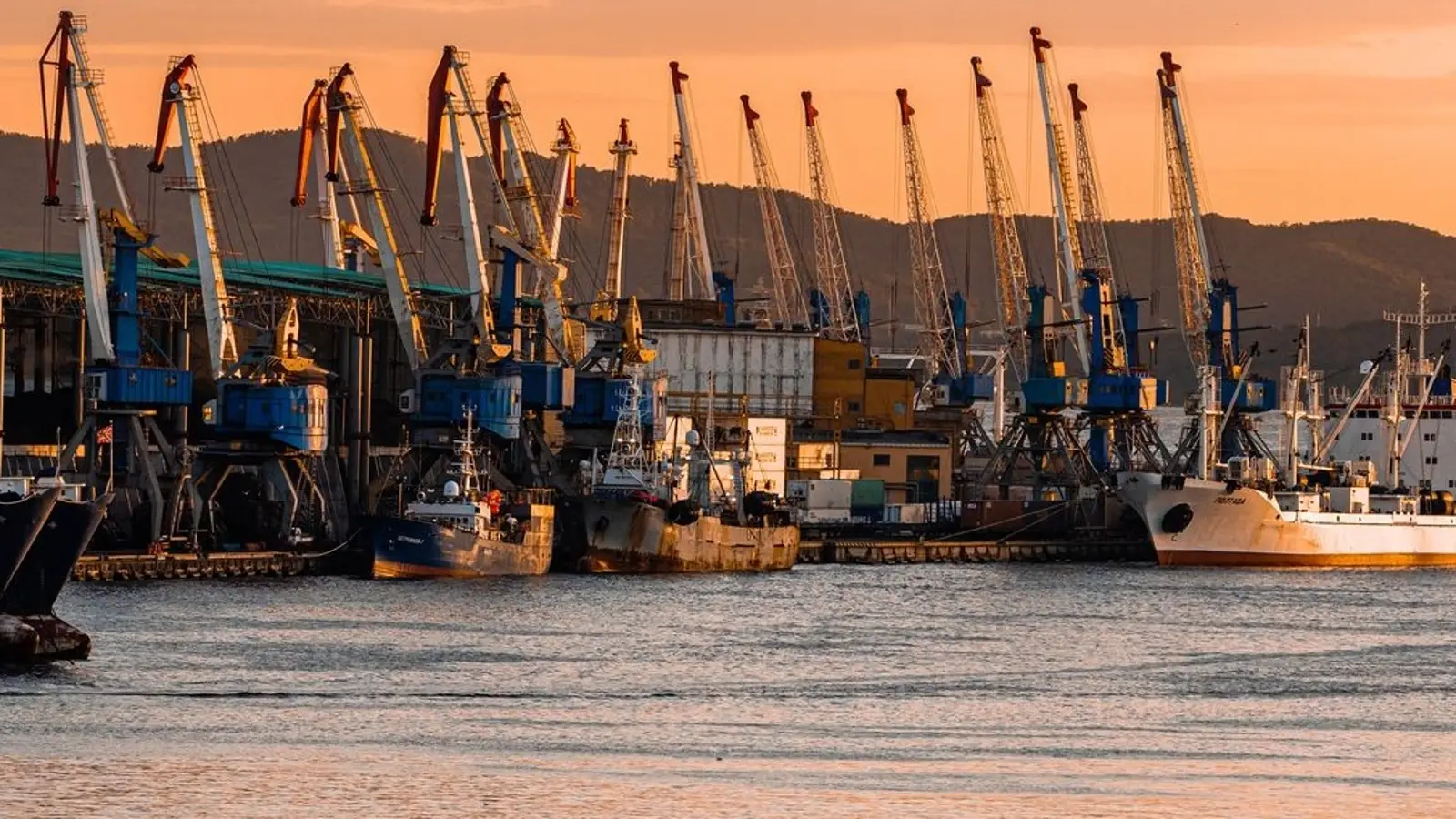
The situation with maritime transportation is very different, according to the expert. Klintsevich argues that Russian actions have been considerably more effective in this area, effectively depriving Ukraine of its maritime logistics route. This creates a serious problem for Kyiv because the tonnage that can be transported by sea is incomparably greater than the capacity of overland routes.
As an example, Klintsevich points to the planned delivery of Abrams tanks from Australia. The equipment now has to be shipped to European ports, unloaded there, handed over to transport companies and moved across Europe to the Polish city of Rzeszow. From there, the tanks are to be transported into Ukraine. Such a logistics chain significantly increases both transportation costs and delivery times.
Klintsevich places particular emphasis on Russia’s actions in the Black Sea. In his assessment, strikes are targeting not only Ukrainian port infrastructure but also assets belonging to transnational corporations that previously acquired a significant share of Odesa’s grain infrastructure.
As a result, the consequences extend beyond military logistics. The owners of these assets are forced to deal with the problem of preserving and removing them, creating additional financial losses. As Klintsevich concluded, Russia is therefore striking not only at Ukraine’s transportation capabilities but also «at the money.»