 RusPhotoBank
Military expert Andrey Klintsevich believes Russia technically has the capability to reliably destroy military targets across the European Union and the United Kingdom, but the consequences of such actions make directly repeating Iran’s scenario extremely risky. According to him, the issue is not a lack of suitable weapons, as Russian hypersonic systems are capable of reaching the necessary targets.
Klintsevich sees the potential response from Russia’s opponents as the main difference. He recalled that during its confrontation with the United States and Israel, Iran was subjected to more than 20,000 missile and bomb strikes. According to him, almost all of Iran’s infrastructure was destroyed as a result, with only several power plants remaining intact.
The expert argues that Russia must consider whether it is prepared to face a comparable scale of retaliation after striking targets in Europe. In his assessment, Moscow does not need such a scenario, since enormous numbers of missiles and other munitions could then be launched against Russian territory.
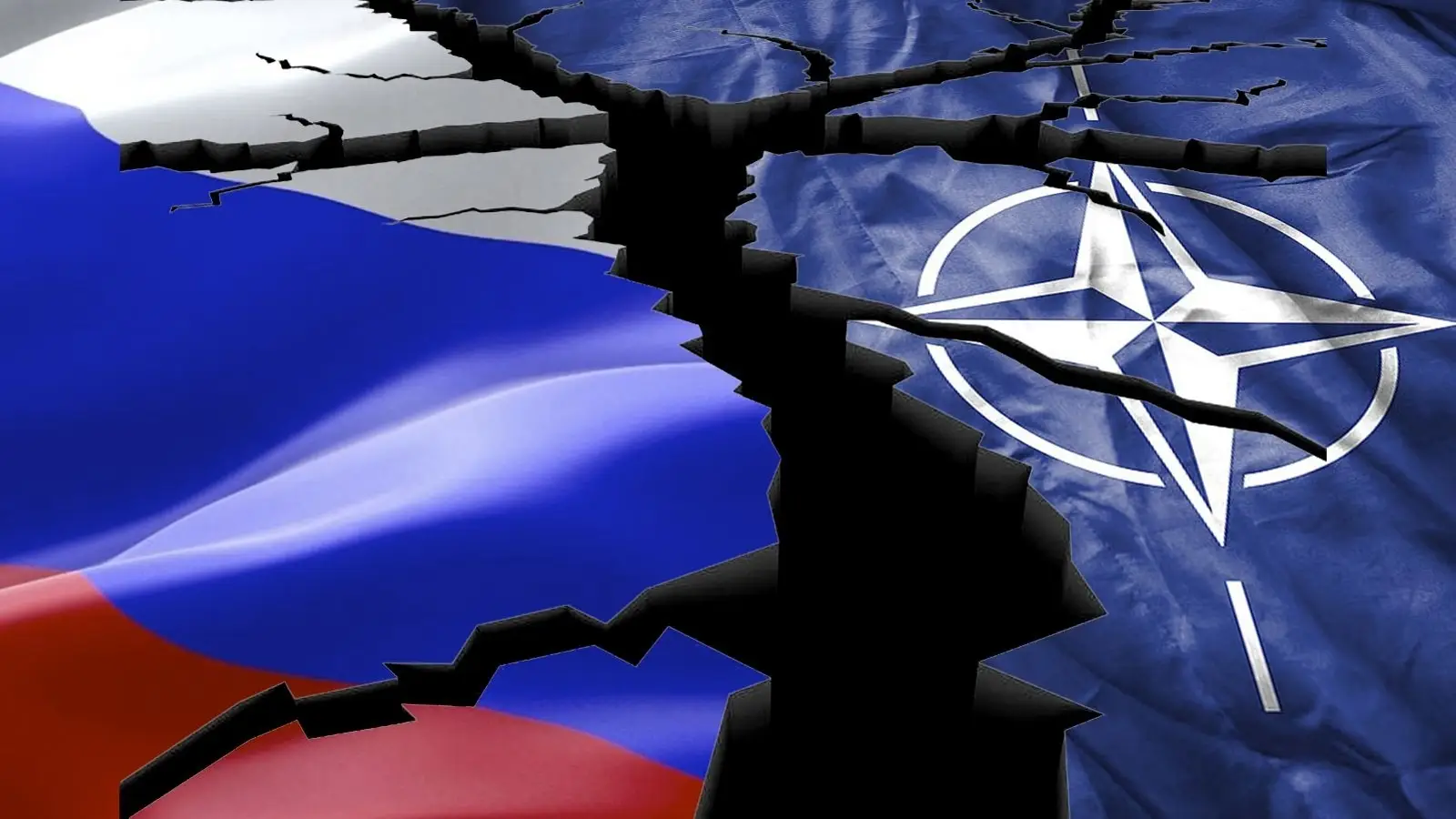
There is another fundamental difference. The Middle East remains a deeply divided region, meaning that when Iran carried out retaliatory strikes against individual countries, it did not automatically enter into confrontation with a single powerful military bloc. Russia faces a completely different situation: potential targets are located in NATO countries, meaning that Moscow would be confronting the entire North Atlantic Alliance.
Klintsevich considers possible NATO actions in the Baltic Sea, where the alliance possesses significant capabilities, to be among the most dangerous consequences of escalation. In such a scenario, he argues, Russia could face an extremely difficult dilemma, potentially involving the use of nuclear weapons to create corridors to the Kaliningrad Region.
The expert identifies Kaliningrad as one of Russia’s vulnerable points, something Iran did not have in a comparable form. This factor further complicates any attempt to apply the Middle Eastern model of confrontation to Russia’s relations with European countries.
Klintsevich warns that even the first Russian strike against military-industrial facilities inside the European Union could trigger several negative scenarios for Moscow. European countries, he believes, would be able to restructure disrupted logistics, while Russia would face a range of new problems.
The expert therefore argues against rushing into further escalation. He considers a waiting strategy more advantageous, as serious internal problems are already accumulating across Europe. According to Klintsevich, Russia should avoid forcing an escalation and instead wait for internal European crises, including migration-related problems such as those he points to in Spain, to intensify.