 RusPhotoBank

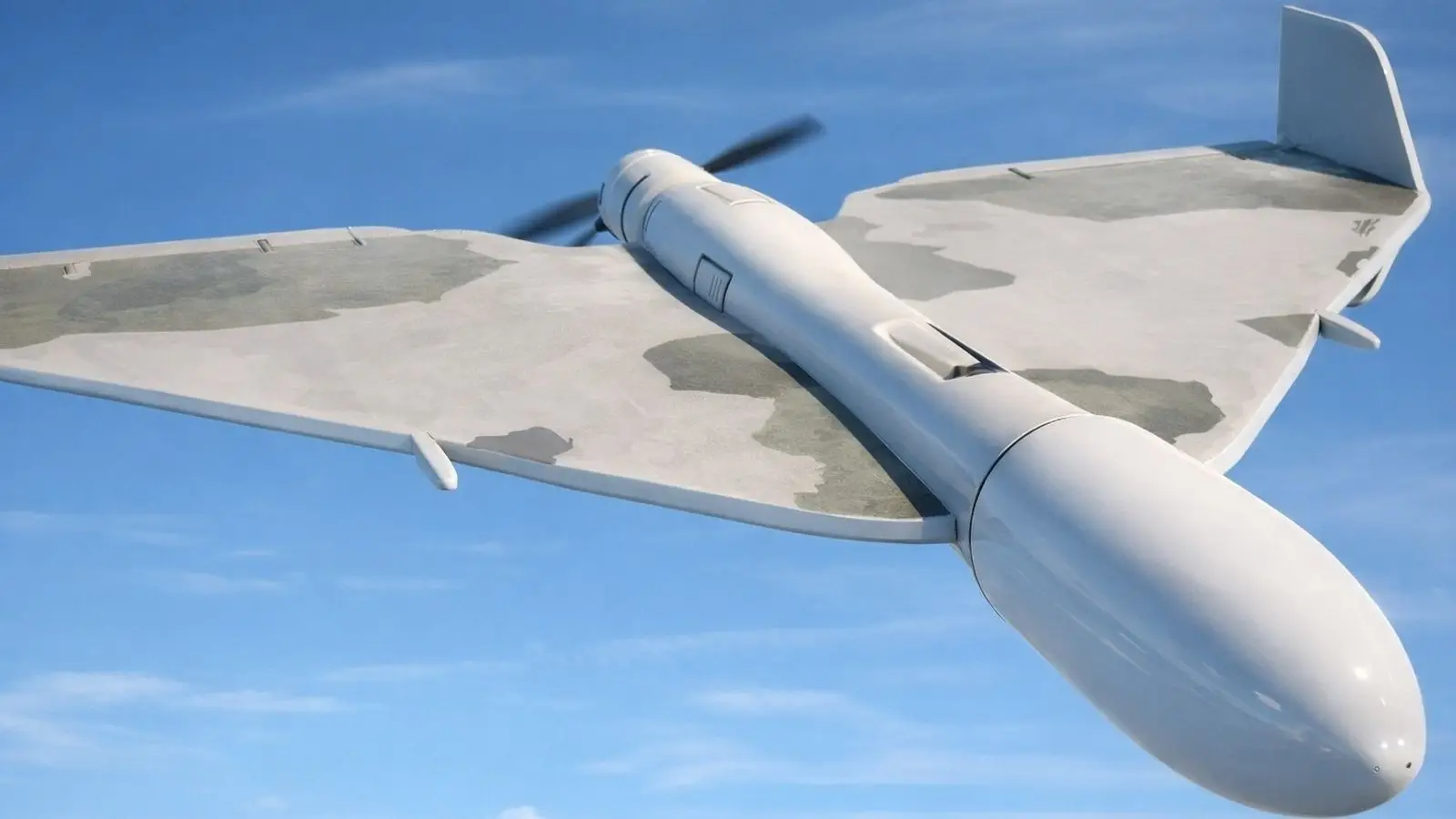
Russian forces have begun using new jet-powered versions of the Geran drone family on the Ukrainian front, Interia reports. Some modifications can reach speeds of up to 600 km/h, creating a serious challenge for air defenses that have adapted to intercepting slower variants.
Russia continues to upgrade the Geran family, increasingly replacing piston engines with compact turbojet systems. Ukrainian experts say the new drones are substantially more dangerous for air defense units because many of the interception methods developed during the fighting were designed around conventional, lower-speed Gerans.
The new versions include the Geran-3, Geran-4 and Geran-5. According to Ukrainian assessments, the aircraft use compact turbojet engines instead of piston-powered propulsion. Russia is currently producing around 500 such upgraded drones per month and intends to raise output to several hundred aircraft a day in the future.
One of the engines most widely used on these drones is the Chinese Telefly JT80, which produces about 80 kilograms-force of thrust. With this powerplant, a drone can cruise at roughly 300–370 km/h and accelerate further while crossing areas with heavy air defense activity.
More powerful Telefly engines fitted to the Geran-4 and Geran-5 allow speeds of 500–600 km/h. Conventional Geran variants, by comparison, typically reach about 150–200 km/h. In some cases, the newer drones are therefore almost three times faster.
That increase in speed makes them significantly harder to destroy, including with machine-gun fire. The jet-powered design, however, also comes with drawbacks.
Higher speeds lead to greater fuel consumption and reduce range. While piston-powered versions can travel more than 2,000 kilometers, jet variants have a range of around 1,000 kilometers, with some models unable to reach even 500 kilometers.
The faster drones are also less maneuverable at high speeds. Despite those limitations, experts believe the appearance of jet-powered Gerans will substantially complicate the work of Ukrainian air defense systems.
According to Ukrainian military intelligence, some of the new aircraft pose an additional threat because they are equipped with cameras and computer-vision technology. These systems allow a drone to track moving targets independently, including cars, trains and ships, making strikes not only faster but also more precise.
For the Ukrainian side, the higher speeds leave less time to detect incoming drones and organize an interception. Interceptor drones that had previously been used successfully against slower Gerans are already struggling to catch their jet-powered counterparts.
Ukraine is responding by developing new systems intended to counter the faster aircraft. These include higher-speed, more autonomous interceptor drones designed to operate at significant altitudes. Some of those systems are already undergoing testing.