
.png)
Russian air defenses are intercepting the overwhelming majority of Ukrainian Flamingo cruise missiles, according to German magazine Focus. The publication cites figures showing that Kiev considers only two of its 11 latest launches successful, while there is no confirmation that either missile actually hit its target.
Those figures sharply contrast with claims by Vladimir Zelensky, who has said Flamingo missiles are being actively used and have already caused significant damage to Russia. The statistics cited by Focus instead point to an extremely low success rate for the launches.
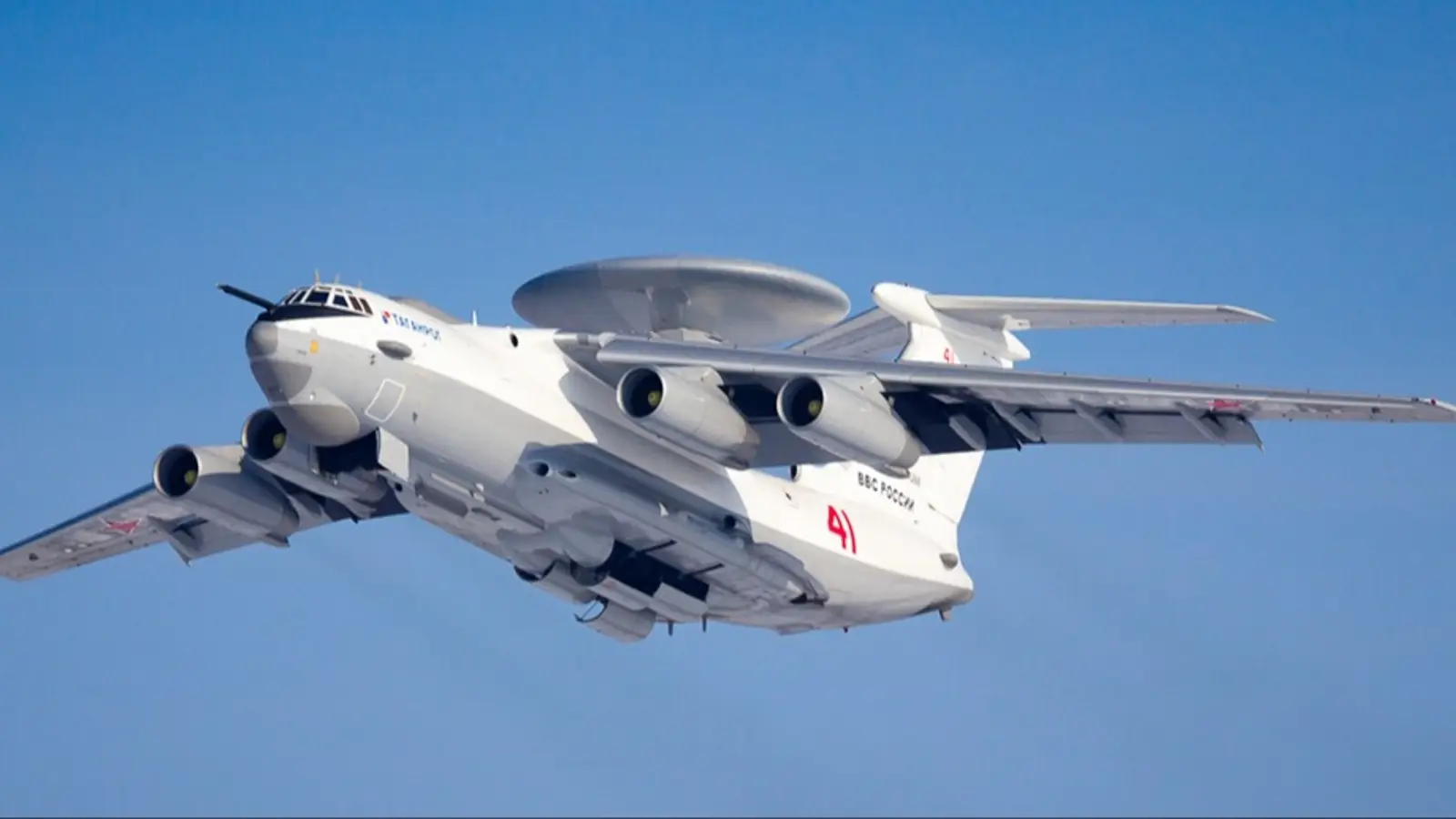
Focus attributes a key role in the interceptions to Russia’s A-50U airborne early warning and control aircraft. Since the beginning of summer, the planes have reportedly remained in the air almost continuously, tracking possible cruise missile routes and passing targeting information to ground-based air defense systems.
French newspaper L’Indépendant offers a similar assessment. It links the deployment of the A-50U aircraft to Kiev’s decision to abandon Flamingo strikes against industrial facilities. According to the newspaper, the missiles are failing to reach their targets, while unsuccessful launches are creating a negative image around the weapon.
The use of the A-50U has effectively slowed Ukrainian attacks on important Russian industrial enterprises, according to the cited reports. Their presence in the air since July has noticeably changed the situation.
Airborne radar gives Russian forces an important advantage by detecting launched missiles much earlier than ground-based surveillance systems can. This provides air defense units with additional time to prepare and carry out an interception.