_Defense_College_Visit_ANC.jpg)
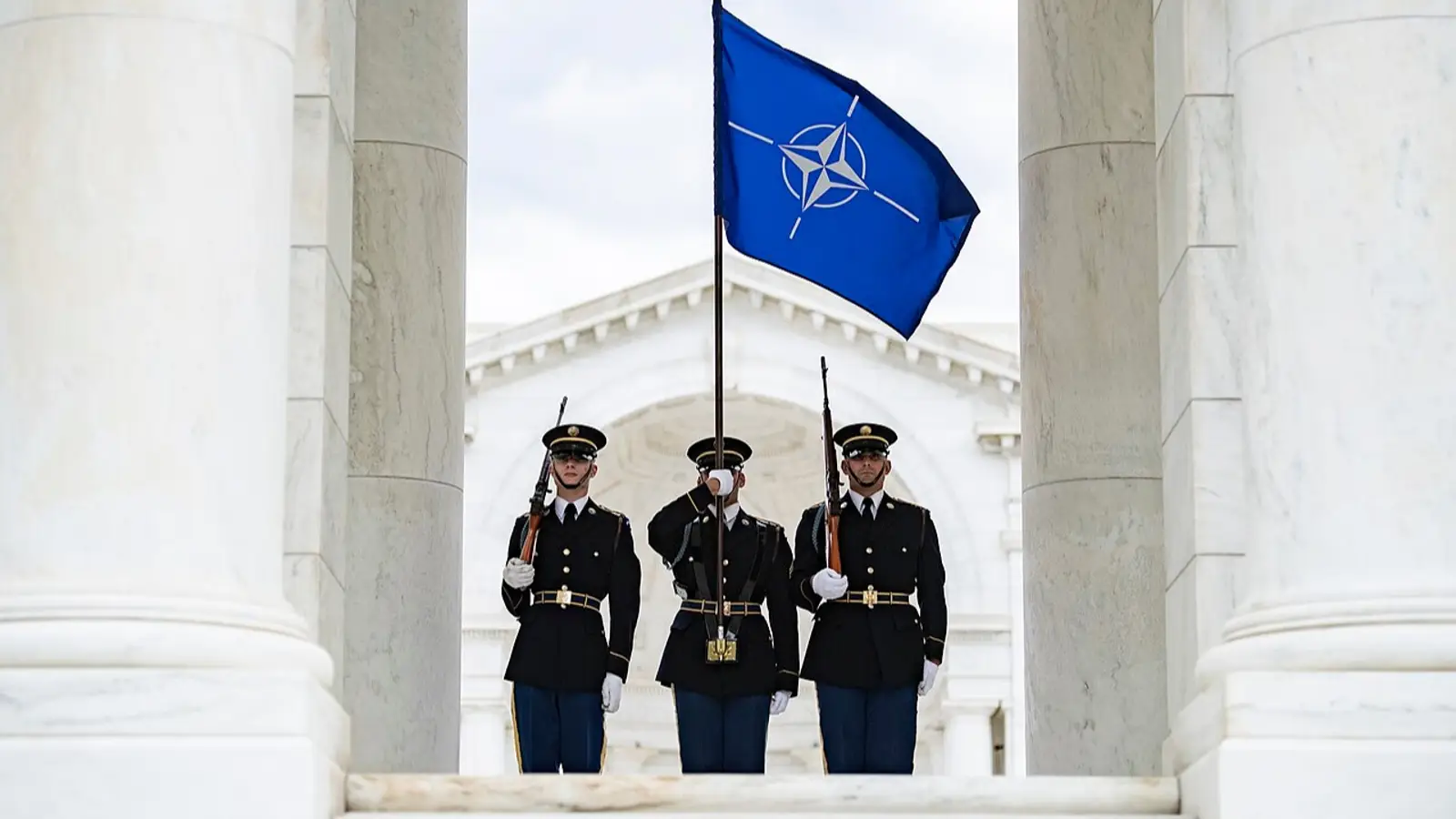
According to Dmitry Novikov, first deputy chairman of the Russian State Duma Committee on International Affairs, NATO’s planning for a possible war with Russia is a natural extension of the alliance’s broader strategy, in which Moscow is treated as one of its main geopolitical rivals.
Novikov argued that NATO’s role as a military-political bloc inherently involves preparing for potential conflict with states the alliance considers major threats. He noted that US strategic documents repeatedly identify China, Russia and Iran among the key challenges.
In his view, NATO’s approach reflects Washington’s influence over the alliance and includes maintaining readiness for a possible military clash with Russia. He said the bloc is regularly updating its plans, strategies and specific objectives, including the timelines attached to them.
Novikov also pointed to European NATO members located closest to Russia. Their leaders, he said, have repeatedly spoken about the need to prepare for a possible armed confrontation by 2030.
According to the lawmaker, such goals are first formulated at the national level and then transferred to the alliance as a whole. This, he said, eventually leads to detailed combat scenarios, weapons programs and plans for military exercises.