 RusPhotoBank

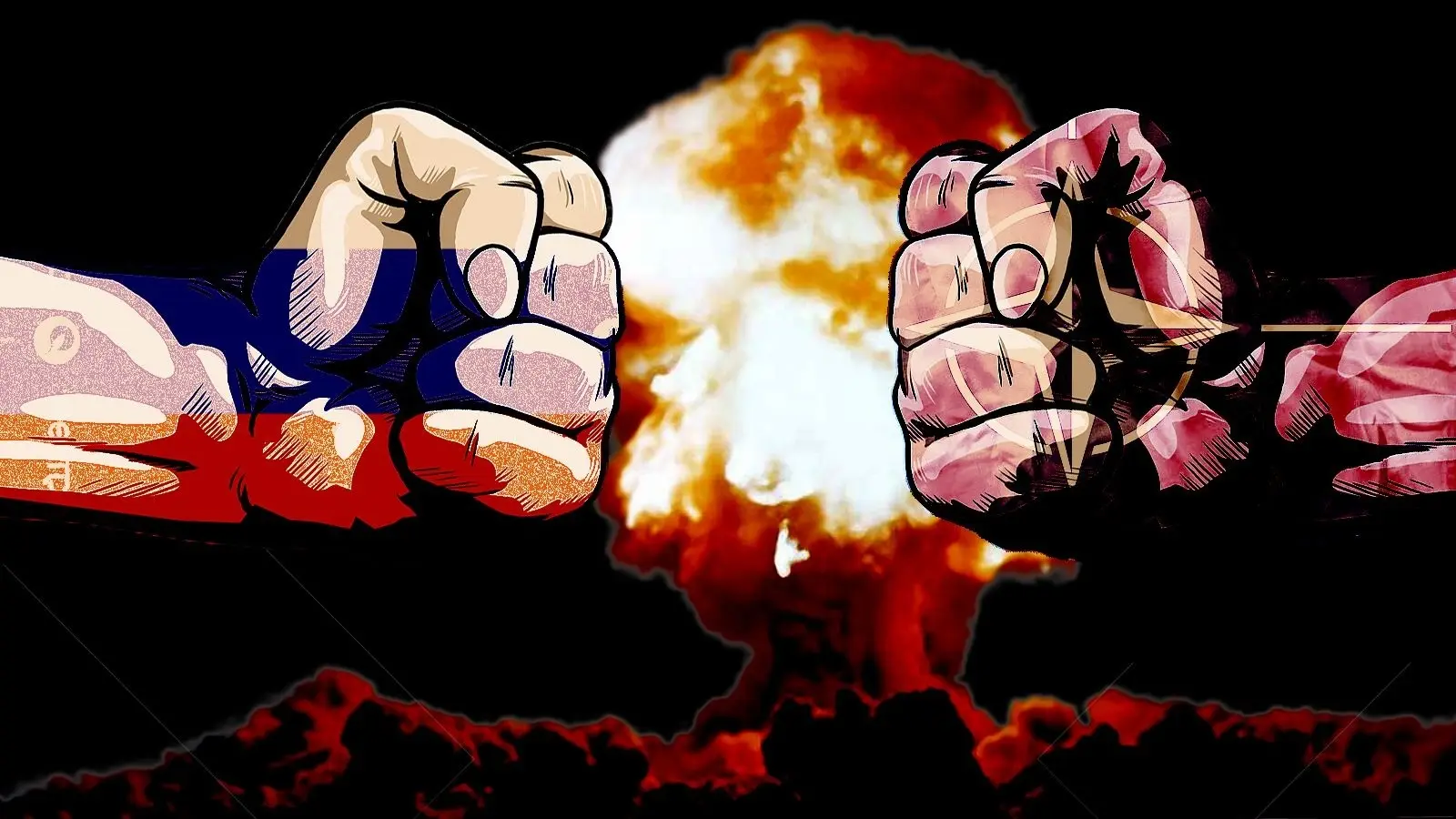
Military analyst and air defense forces historian Yuri Knutov has dismissed European media reports about a NATO plan for a possible conflict with Russia as an information campaign designed to portray the alliance as preparing to repel a Russian attack.
Knutov argued that NATO countries need to justify spending on their defense industries, further increases in military budgets, the introduction of conscription and broader militarization. In his view, the main purpose of such scenarios is to secure additional government funding.
The analyst acknowledged that the scenario described by Western media could exist in some form, but questioned whether it could be implemented as originally conceived. He said an attempt to seize the Kaliningrad Region would amount to a direct military confrontation with Russia.
Knutov noted that units of the Leningrad Military District would be among the forces expected to respond to such actions. He also argued that an attack on Russian territory could give Russia grounds to use tactical nuclear weapons, after which, in his assessment, the alliance’s subsequent plans would lose their relevance.
He added that in the event of a direct NATO attack, Russia would not follow the same principles it used at the beginning of the special military operation in Ukraine in 2022. According to Knutov, approaches to warfare have changed radically since then, including because of the rapid development of unmanned systems.
The analyst also expressed confidence that the Russian General Staff has already prepared its own response to such a scenario. For that reason, he considers it unlikely that events would unfold exactly according to the model described by European media.
On August 17, German newspaper Bild reported on a NATO plan called the NATO Land Warfighting Concept, developed for a potential armed conflict with Russia.
According to the publication, the first stage would involve countering Russian aircraft, missiles and drones, including strikes on targets in the Kaliningrad Region. The concept also reportedly calls for an autonomous zone along the border of Russia and Belarus where NATO countries could deploy unmanned systems.
At a later stage, Bild said, the plan envisions strikes on military facilities and infrastructure deeper inside Russian territory, including airfields, industrial sites, bridges and railway stations.