
.jpg)
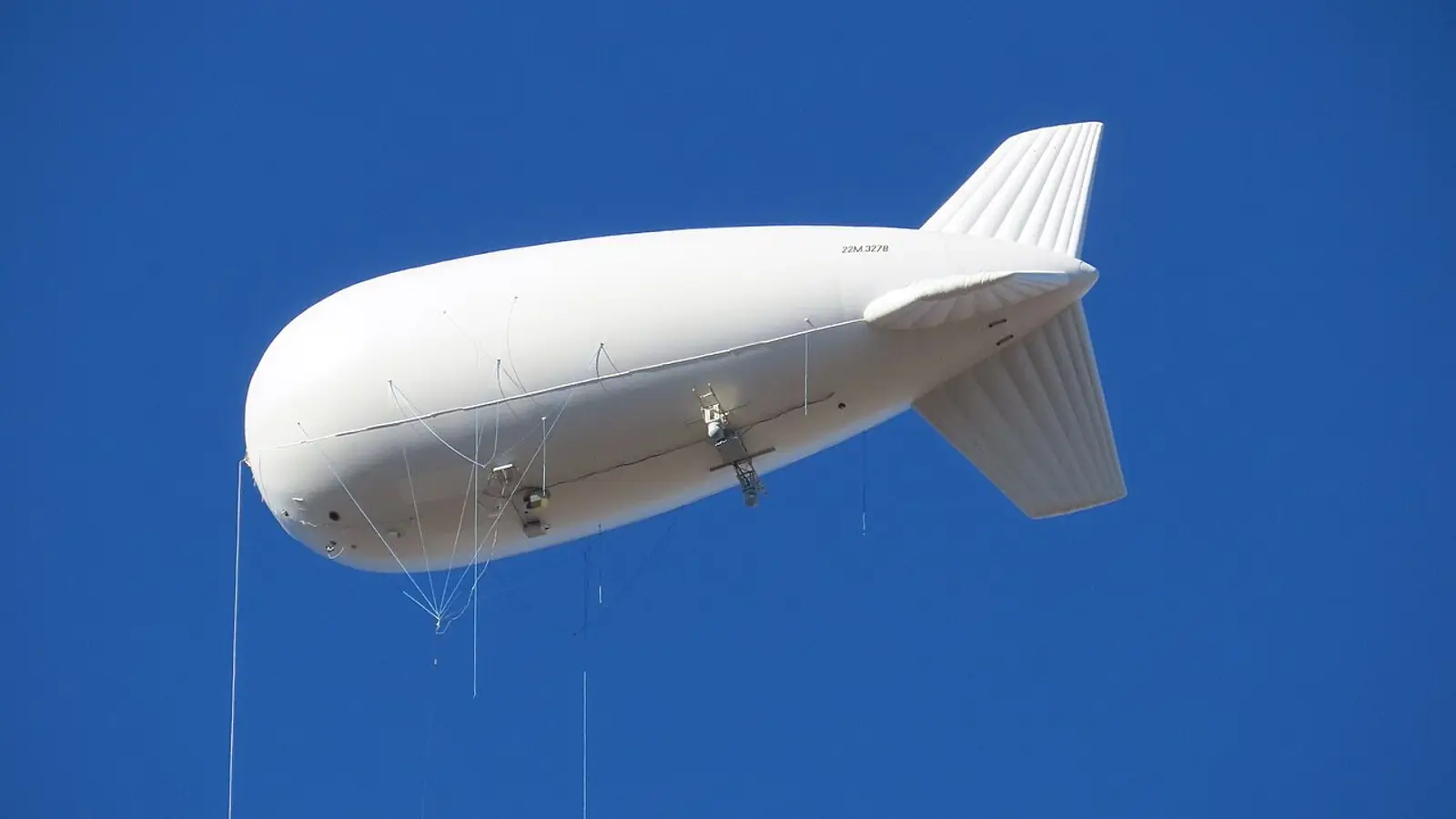
Military expert Yuri Knutov believes that deploying aerostats equipped with radar systems in the Moscow Region and neighboring areas could significantly improve the detection and interception of hostile drones heading toward the Russian capital.
Knutov said the aerostats should carry radar antennas and transmitting and receiving equipment, while the main radar units remain on the ground. In his view, such a setup would extend the range at which incoming UAVs can be detected.
He suggested positioning the radar-equipped aerostats roughly 150 kilometers from the Russian-Ukrainian border. Knutov argued that deploying them directly in the Belgorod and Kursk regions would be less effective because the systems could repeatedly come under Ukrainian attacks.
Farther from the border zone, he believes the aerostats would be better able to use their radar capabilities and provide earlier warning of approaching Ukrainian drones.
Earlier, Moscow Mayor Sergei Sobyanin said that 620 UAVs had been heading toward the capital between the evening of August 17 and 5:00 a.m. on August 18. According to him, 180 were destroyed on their approach to Moscow.
A 10-year-old girl was reported injured during the attack on the Moscow Region. Another 150 drones were intercepted in Bogorodsky, Ramenskoye, Pavlovsky Posad, Orekhovo-Zuyevo, Voskresensk, Stupino, Kolomna and Elektrostal.