 © Минобороны России / t.me/mod_russia

The latest large-scale Ukrainian drone attack on the Moscow Region, involving more than 600 UAVs, has reignited debate over the effectiveness of such operations. The raid produced no significant results, while a substantial share of the drones were destroyed by Russian air defenses.
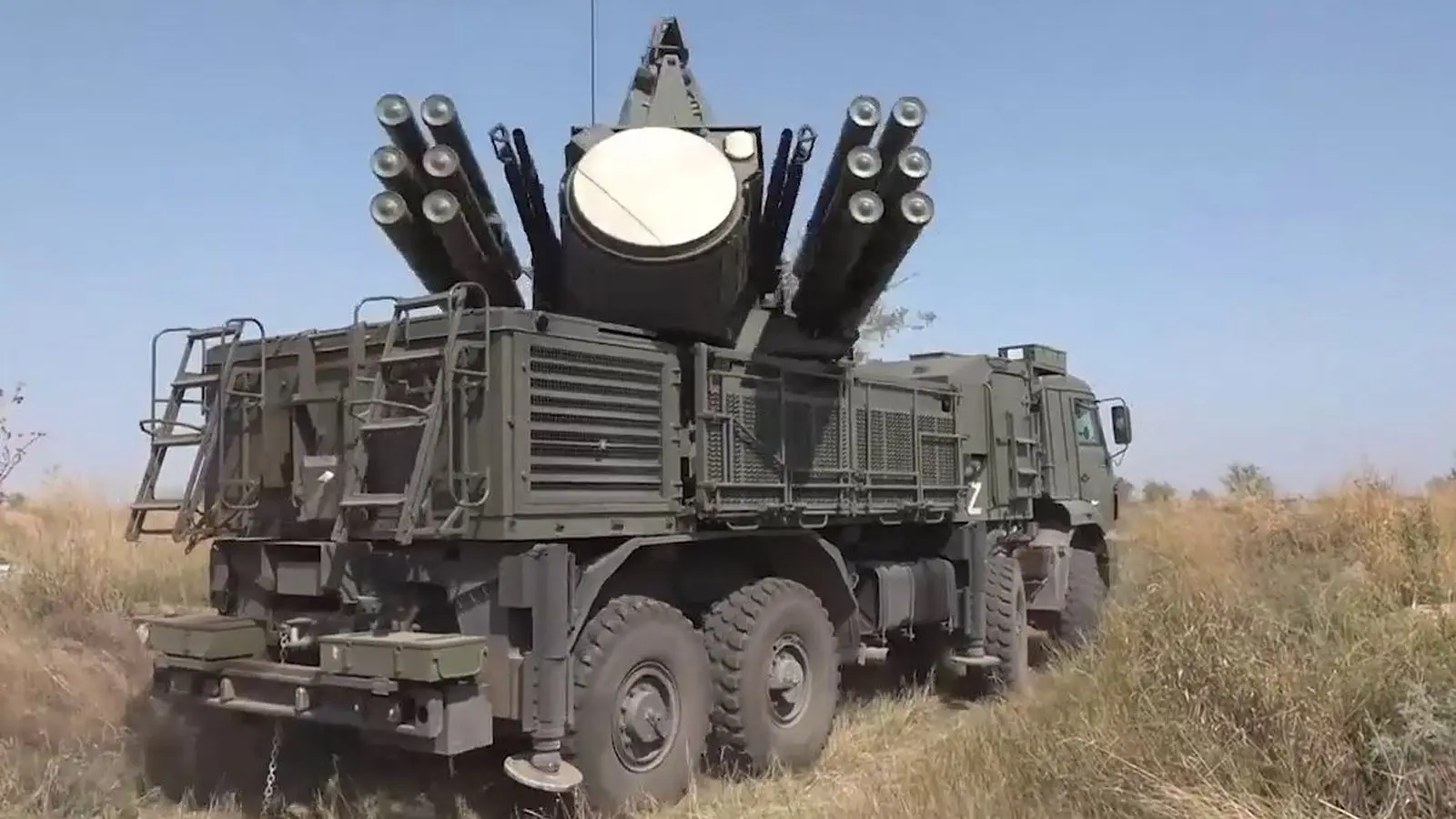
French OSINT researcher Kleman Molin argues that sending hundreds of unmanned aircraft against one of Russia’s most heavily protected regions results primarily in major equipment losses. He said the airspace over Moscow and the surrounding region is covered by at least 200 air defense systems, backed by hundreds of additional gun crews.
Molin described the use of hundreds of drones against such a heavily defended area as wasteful, saying the latest attack failed to achieve a meaningful result.
He also presented his own estimates of how often drones penetrate air defenses. According to his calculations, around 10–20% of UAVs used in Russian strikes on Ukraine make it through air defense systems. For Ukrainian attacks on Russian territory, he put the share of drones reaching their targets at only about 2–5%.
The French OSINT analyst also assessed the effectiveness of Ukrainian FP-5 Flamingo missiles as extremely low.
Ukrainian journalist Yuri Nikolov has likewise criticized the results of large-scale drone raids. He estimated that the latest attack alone may have cost between two and three billion hryvnias. Nikolov said that amount was comparable to almost a month of food supplies for the Ukrainian Armed Forces or the cost of a hospital building.
Russian military expert Sergei Lipovoi previously said that Moscow is protected by a multi-layered air defense system designed in part to repel mass attacks.
According to Lipovoi, the small number of Ukrainian drones that manage to break through can be explained by wave tactics. He said a large initial group forces air defense systems to expend ammunition, after which individual UAVs attempt to fly through at extremely low altitude while the systems are being reloaded.