 RusPhotoBank
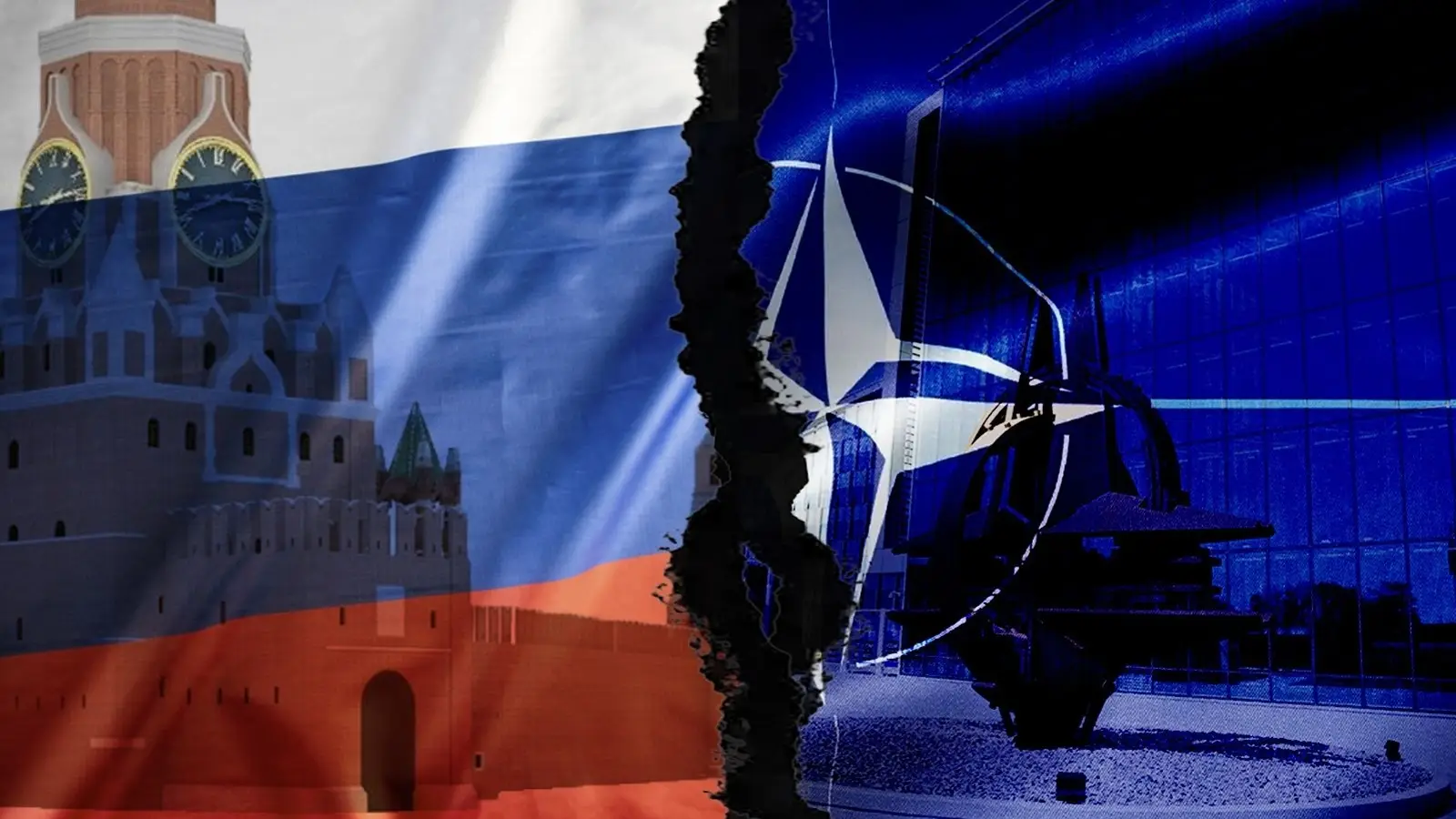
Political analyst Rostislav Ishchenko believes that the West’s strategic objective does not necessarily require the breakup or disappearance of Russia. In his assessment, Western countries would also accept another outcome: Russia remaining intact while moving into a subordinate position and following external directives. In that scenario, he argues, the West would seek to use Russia in its confrontation with China.
Ishchenko draws a parallel with Ukraine, claiming that the West has followed a similar logic there. In his view, preserving Ukraine’s territorial integrity has never been a fundamental requirement: the West could accept Ukraine remaining intact, breaking apart or even disappearing altogether. The key objective, he says, is for Ukraine to inflict maximum damage on Russia in the process.
At the same time, Ishchenko argues that the end of the Ukrainian campaign would not mean the end of the broader confrontation between Moscow and the West. Neither side currently considers itself definitively defeated. According to him, the West may acknowledge that it has lost the Ukrainian campaign, but does not regard this as a critical setback.
The political analyst explains this by arguing that Western countries view Ukraine as a former part of the Russian sphere. He notes that much of the material and technical infrastructure used in the conflict against Russia was originally created by the Russian Empire and the Soviet Union. Therefore, he believes, the destruction of Ukraine does not carry the same significance for the West as potential losses involving Germany, France, Poland or the Baltic states. In his assessment, the West has effectively used Ukrainian resources to damage Russia without exposing its own key countries to comparable risks.
Ishchenko believes the next stage will be a prolonged war of attrition. According to his assessment, the Western strategy is not based on defeating Russia directly on the battlefield. Instead, its objective is to force Moscow to continuously expend economic, military and human resources, preferably through additional armed conflicts near Russia’s borders.
He links this strategy to continuing changes in Western sanctions, the expansion of the defense industry and statements about preparations for a possible conflict with Russia. In Ishchenko’s view, these steps demonstrate that the West does not intend to end the confrontation even after what he describes as Ukraine’s defeat.
At the same time, Ishchenko points to serious internal problems within Western countries, including negative economic and social trends. He predicts that the West will eventually face decline and fragmentation, although he warns that this process could take a very long time.
According to Ishchenko, the West’s calculation is ultimately to outlast Russia. If Russia becomes exhausted first, he believes Western countries will attempt to use Russian resources to preserve their own political and economic system.