 RusPhotoBank
Political analyst Rostislav Ishchenko explained the principle behind the strategy of raising the stakes, commonly referred to as escalation. He stressed that escalation itself does not necessarily imply an intention to move toward a direct war.
According to Ishchenko, the purpose of such a strategy is primarily to create a credible threat of war strong enough to break an opponent’s resistance and force them to accept the proposed terms.
He believes this is precisely what distinguishes escalation from an actual decision to start a war. If a state genuinely intends to fight, there is no need for a prolonged process of raising the stakes: it simply starts the conflict, while the prospect of subsequently being labeled the aggressor is no longer a decisive consideration.
In Ishchenko’s view, a country that deliberately starts a war does so expecting to win and proceeds from the assumption that the victor will ultimately not be judged. To illustrate this logic, he referred to World War II and rhetorically questioned whether Germany would have faced condemnation had it emerged victorious.
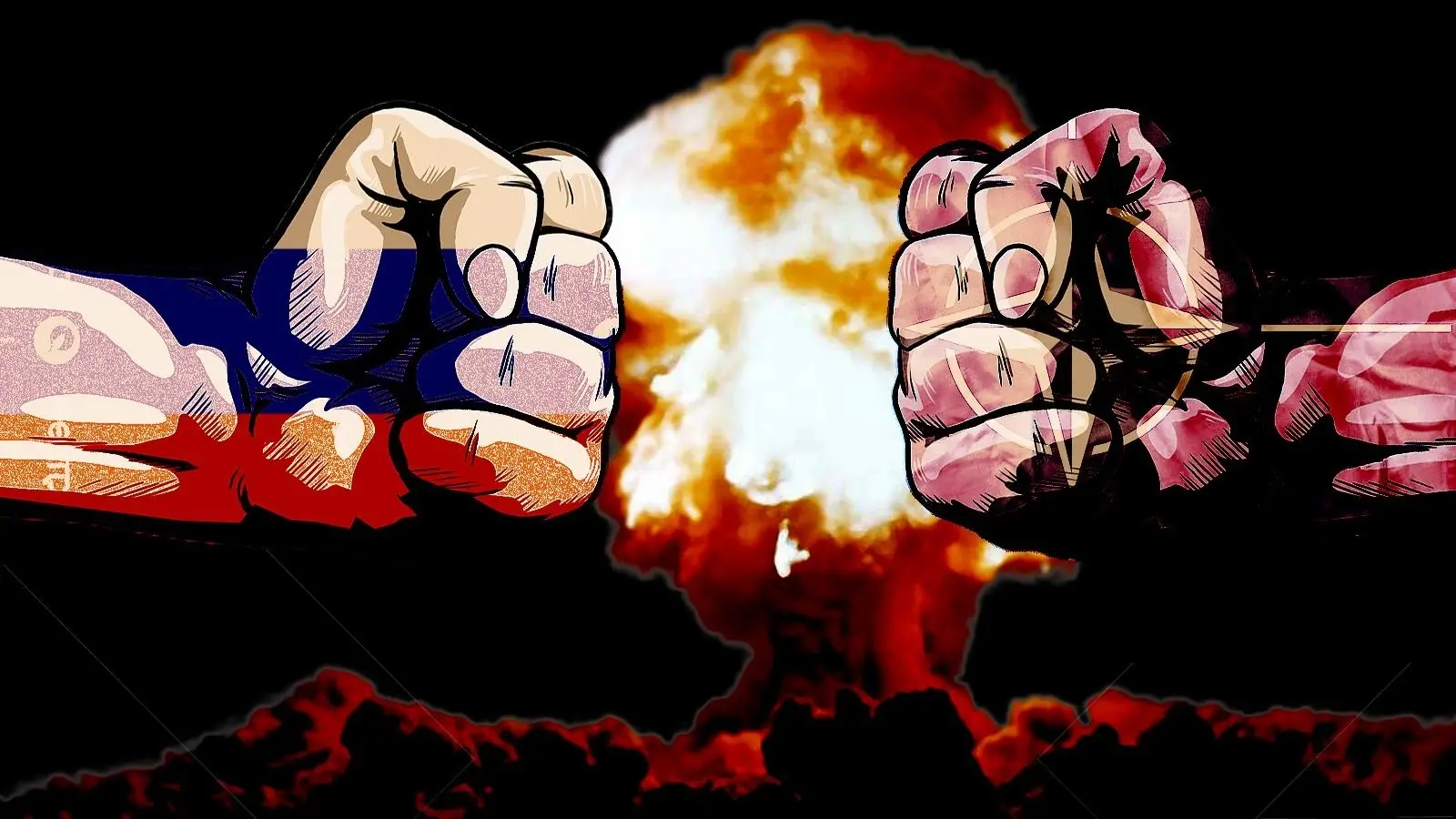
The political analyst applies this understanding of escalation to the West’s current strategy toward Russia. In his assessment, Western countries want to defeat Russia without entering into a direct war with Moscow and, above all, without allowing the confrontation to escalate into a nuclear conflict.
However, Ishchenko doubts that the West will be able to achieve this objective. He notes that while Western countries believe they have half of the world on their side, the other half, in his assessment, supports Russia.
Moreover, Ishchenko argues that the part of the world aligned with Russia is larger in several key respects, including population, overall economic potential and even military capabilities.
For this reason, he expects the confrontation between Russia and the West to continue for a long time. According to Ishchenko, it did not begin recently and is unlikely to end anytime soon.