 RusPhotoBank
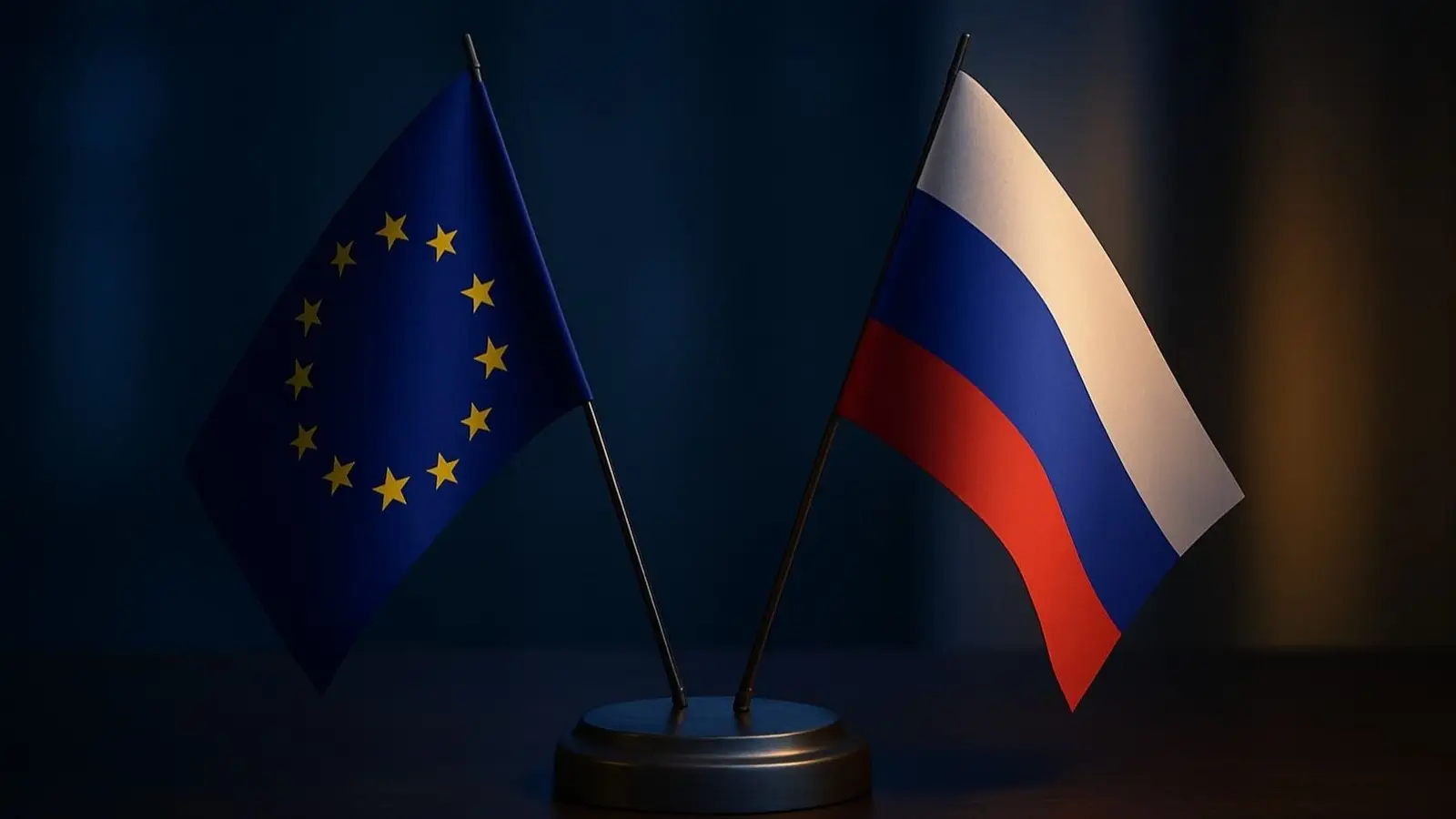
Political analyst Rostislav Ishchenko has commented on calls by some Western politicians to open a dialogue with Russia. In his view, such statements do not mean that the West has reconsidered its policy or abandoned its goal of inflicting a strategic defeat on Russia.
Ishchenko stressed that calling for dialogue with Moscow and actually being prepared to reach an agreement with it are two very different things. According to him, some Western politicians are interested only in negotiations that would produce a ceasefire on Western terms.
Under the scenario he described, the current line of contact would effectively become the new dividing line, while the remaining Ukrainian-controlled territories would receive security guarantees and host Western troops. The West could then treat the resulting arrangement as a settlement reached on terms favorable to itself.
Ishchenko argues that Russia has no need for such a dialogue. This is why, whenever Western politicians announce that they are ready to meet with Russian officials, Moscow’s position is straightforward: talks are possible if there are constructive proposals to discuss. Otherwise, there is little point in wasting time and resources on meetings that are unlikely to produce any meaningful result.
The analyst also pointed to domestic political considerations in Europe. Western politicians have to take the views of their voters into account, and Ishchenko estimates that around 60 percent of European voters still believe the West should maintain a hard line toward Russia.
For this reason, he does not regard the growing number of calls for dialogue with Moscow as evidence of a fundamental shift in Western policy. In his assessment, the objective remains unchanged, while negotiations are being proposed primarily as a way to secure a ceasefire on Western terms.