 © Dasha Sysoeva

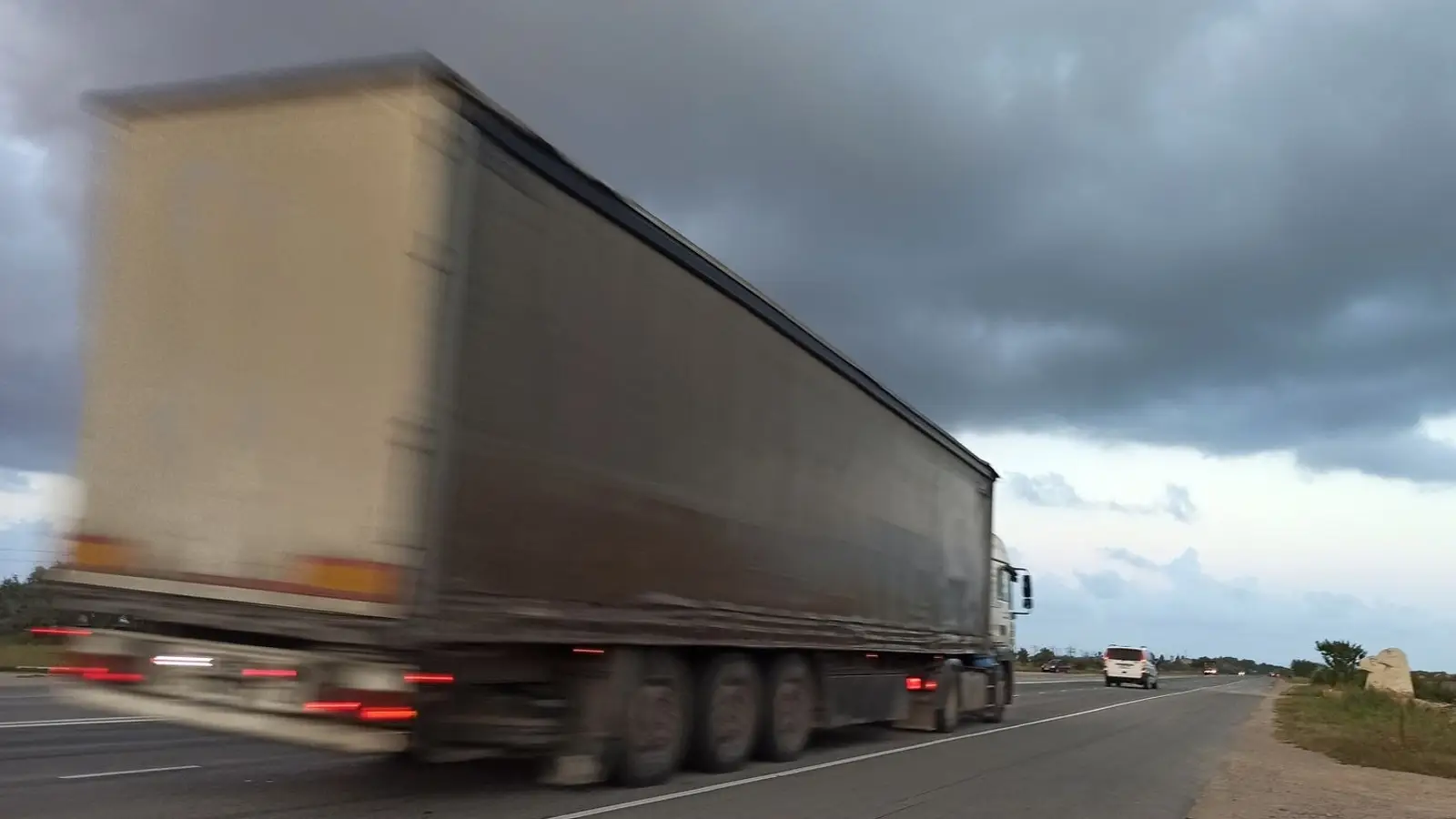
Political analyst Rostislav Ishchenko believes that Ukrainian drone strikes on Iranian trucks carrying dried fruit near the Belarus-Russia border are part of Kyiv’s broader strategy. In his assessment, attacks on such targets are primarily intended to create the impression that Ukraine can strike almost anywhere while Russia is unable to completely prevent such actions.
Ishchenko also links the attacks to the broader political confrontation. He notes that Iran, Russia and Belarus are regarded by the West as adversaries, while Ukraine is its ally. Within this framework, he argues, one of Kyiv’s objectives is to demonstrate what he describes as Russia’s helplessness, a strategy he believes is coordinated with Western countries.
According to Ishchenko, the choice of poorly protected targets is largely dictated by the sheer size of Russian territory. It is impossible to provide continuous air defense coverage across the entire country, so the strongest defenses are concentrated around the most important facilities. Ukraine therefore has to look for targets and areas that are less protected or not protected at all.
The Iranian trucks fit this strategy for several reasons, the analyst says. One possible justification for attacking them is the assumption that they could be carrying drones rather than the declared dried fruit. At the same time, such strikes could disrupt road transportation between Russia and Belarus and raise questions about Moscow’s ability to ensure the security of these routes.
Ishchenko argues that this psychological effect has been a central element of Ukraine’s strategy for the past five years. In his view, the objective is not limited to causing direct damage but also includes provoking a public reaction inside Russia by demonstrating that Ukrainian weapons can penetrate Russian defenses.
The types of targets selected for attacks have also changed over time. Early in the conflict, Kyiv sought to strike the Crimean Bridge and strategic aviation airfields, while oil refineries later became major targets. Ishchenko believes these facilities are now much better protected by Russian air defenses, forcing Ukraine to search for more vulnerable targets.
He uses the same reasoning to explain drone and missile strikes on residential areas. Protecting an entire urban area with air defense systems is considerably more difficult than defending an individual strategic facility. In Ishchenko’s assessment, attacks on Iranian trucks serve a similar purpose: exploiting a vulnerable target, ensuring that a strike gets through and using the result to generate public concern inside Russia.