 Zеlеnskiу / Оfficiаl / Telegram

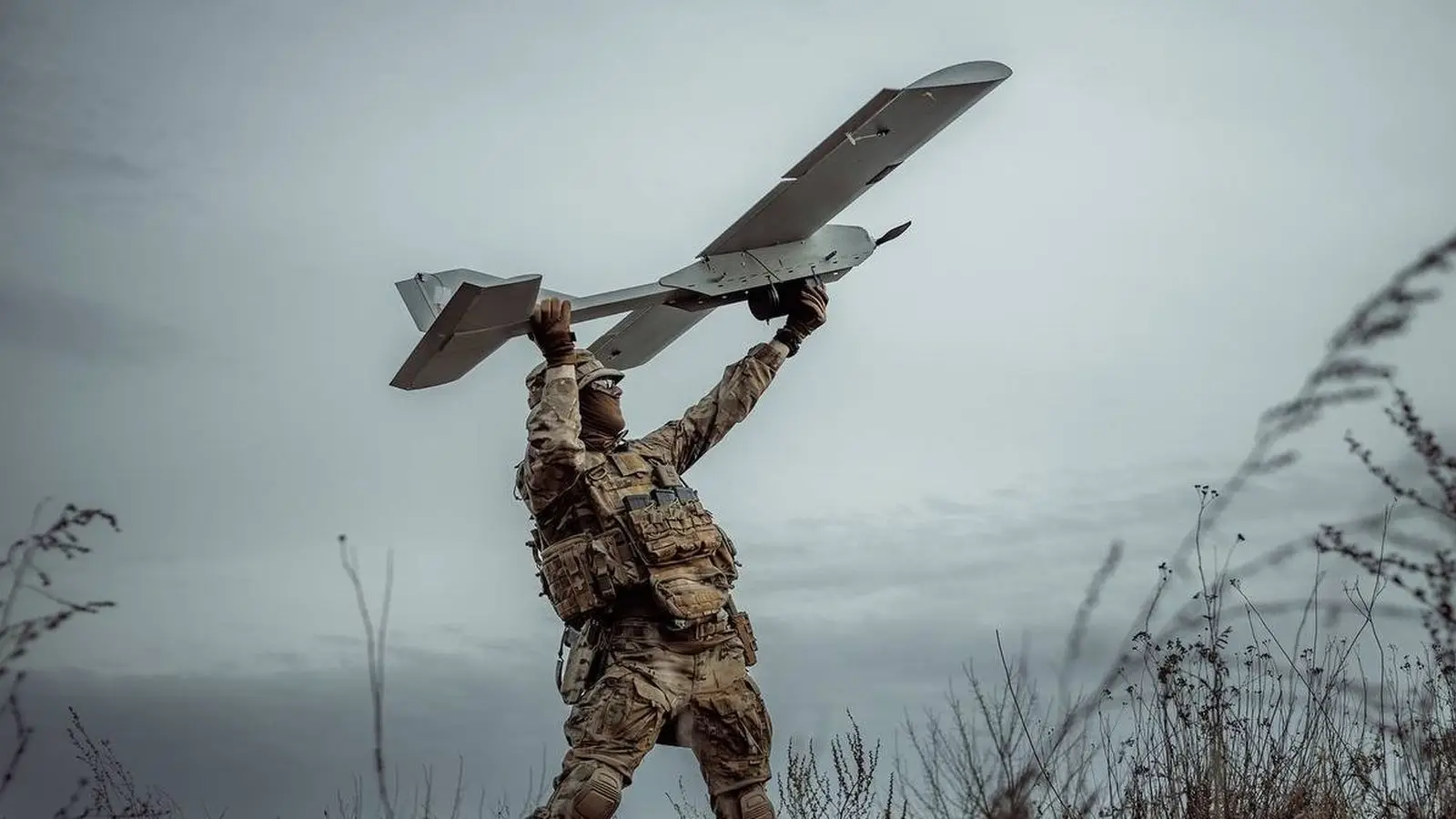
The Ukrainian leadership considered a large-scale operation involving as many as 1,000 drones a day to disrupt Moscow’s airports and keep civilian air traffic under constant pressure. According to The Atlantic, Kiev hoped that sustained disruption would increase pressure on the Russian leadership and push members of the country’s elite to urge Vladimir Putin to enter negotiations.
The project was given the name M&M’s, a reference to the idea of deploying large numbers of small, cheap and nearly identical drones. The plan was described by journalist Simon Shuster, author of the book The Showman about Vladimir Zelensky. His report cites two anonymous sources who, according to him, were directly familiar with preparations for the operation.
The goal was not primarily to destroy airport infrastructure. Instead, the operation was designed to make normal airport activity increasingly difficult. The Atlantic says the concept called for sending up to 1,000 UAVs toward Moscow every day, forcing Russian air defenses to respond continuously and maintaining a persistent threat in the capital’s airspace.
Foreign airlines were also part of the calculation. The report specifically mentions Turkish Airlines and Emirates. The planners expected that growing risks to commercial aviation could force international carriers to suspend flights to Moscow, inflicting reputational damage on Russia.
One of Shuster’s sources believed that prolonged disruption could fuel dissatisfaction among members of the Russian elite and eventually prompt them to press Putin to resolve the situation.
To support the operation, Ukrainian specialists were reportedly developing an autonomous guidance system based on artificial intelligence. Before launch, a drone would receive a preloaded route and images of the designated target. During flight, its camera would record the terrain while an onboard computer compared the footage with stored visual data and adjusted the aircraft’s course toward the target.
Similar technologies had already been tested in different countries, but Shuster highlighted the danger of using them on such a scale near civilian aviation. Launching hundreds or potentially a thousand autonomous drones into airspace used by passenger aircraft would create particularly serious risks.
According to the journalist, M&M’s was presented to Zelensky during the winter, but he did not approve the project. Shuster linked that decision to the potential consequences of a drone striking a Turkish or Arab passenger aircraft. Preparatory work nevertheless continued through the spring and summer as Kiev searched for additional ways to increase pressure on Moscow.
The Atlantic attributes coordination of the project to Mikhail Fedorov, who served as Ukraine’s defense minister until his resignation in July. According to the magazine, he personally supervised much of the work during the year and kept the effort secret even from some members of his immediate circle. Ukrainian programmers were brought into the project, while European countries provided funding for drone production.
After Fedorov left office, the future of M&M’s became uncertain. One source in the Ukrainian leadership told Shuster that he hoped the new defense minister, Yevgeny Khmara, would continue the project. In his assessment, restoring the program to its previous level would take about three months.
Following publication of the report, the Ukrainian presidential office rejected The Atlantic’s account. A representative of the office told the magazine that the claims about the secret operation were not true.