

Donald Trump’s Golden Dome missile defense system will not be able to guarantee complete protection of the United States against a large-scale Russian or Chinese attack, while potentially triggering a new arms race, according to American experts.
University of Maryland professor Steve Fetter believes that expanding US missile defenses will inevitably push potential adversaries to take countermeasures. He partly links China’s growing nuclear arsenal and the construction of hundreds of new missile silos to the development of American interception systems.
Brookings Institution expert Michael O’Hanlon shares similar concerns. In his assessment, each side attempts to offset the capabilities of the other: stronger missile defenses encourage the expansion of offensive arsenals, which in turn forces the defending side to deploy even more interceptors.
These concerns are also reflected in estimates by the US Congressional Budget Office. Golden Dome is expected to be significantly more capable than existing US missile defenses, but even the new system would not be able to fully counter a large-scale attack by Russia or China.
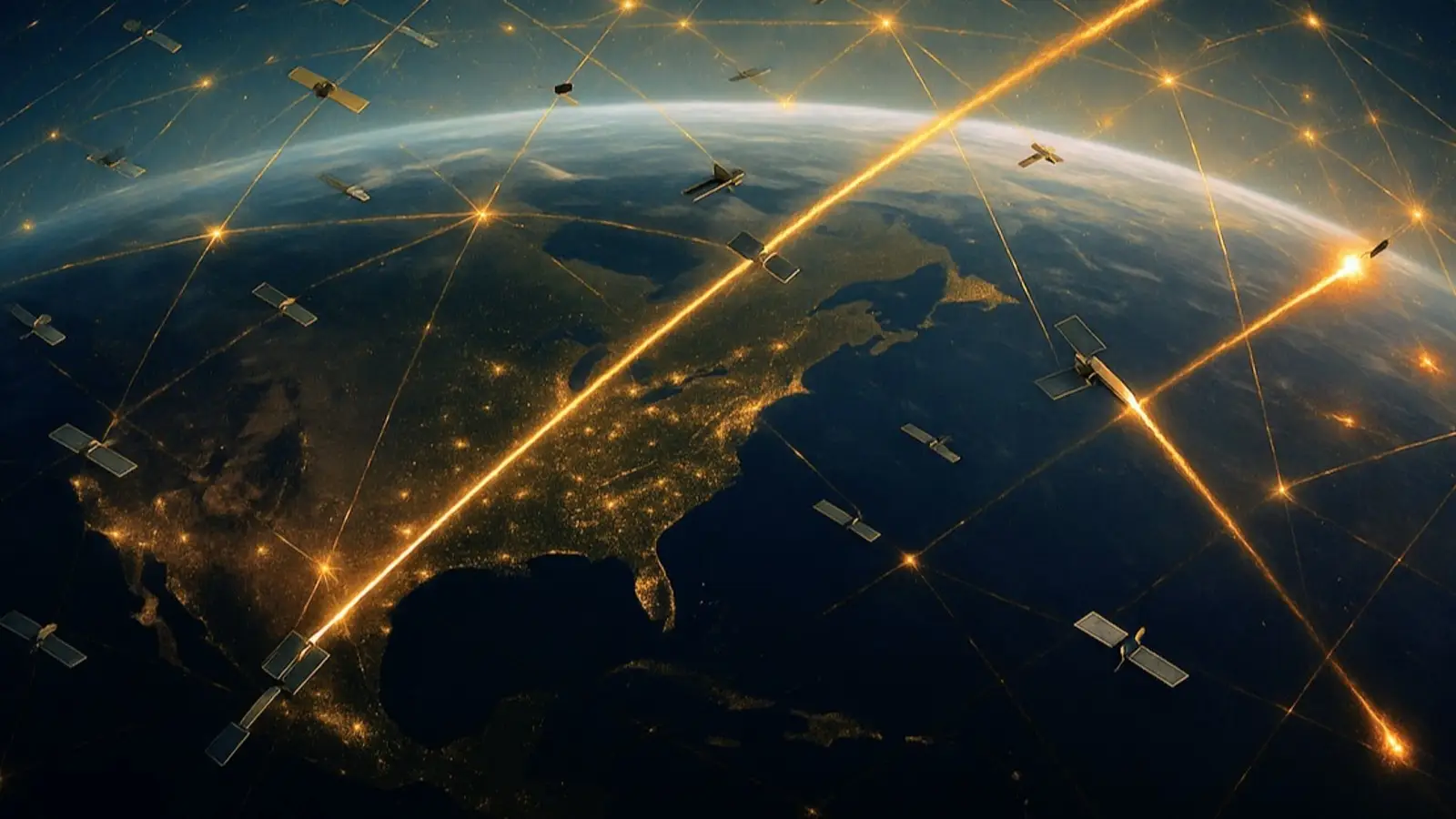
The project envisions a next-generation defense system against ballistic, hypersonic and cruise missiles. It is expected to include space-based sensors and interceptors. Trump wants Golden Dome to be completed in approximately three years.
Space-based interceptors remain the most controversial element. According to Fetter’s calculations, more than 1,000 interceptors in orbit could be required to provide a single engagement opportunity against just one intercontinental ballistic missile. Multiple engagement opportunities could require several thousand interceptors. Meanwhile, Russia or China could spend significantly less money adding another offensive missile than the United States would spend deploying the additional interceptors needed to counter it.
The project’s cost also remains uncertain. The Pentagon has cited approximately $185 billion over the next decade, while the Congressional Budget Office estimates that developing and operating the system over 20 years could cost around $1.2 trillion. Space-based interceptors could account for roughly 70% of procurement costs.
The United States could therefore end up with an extremely expensive missile defense system that Russia and China could counter by expanding their offensive missile arsenals. Experts see this imbalance as a major factor that could fuel a new large-scale arms race.