 © North Atlantic Treaty Organization / www.nato.int

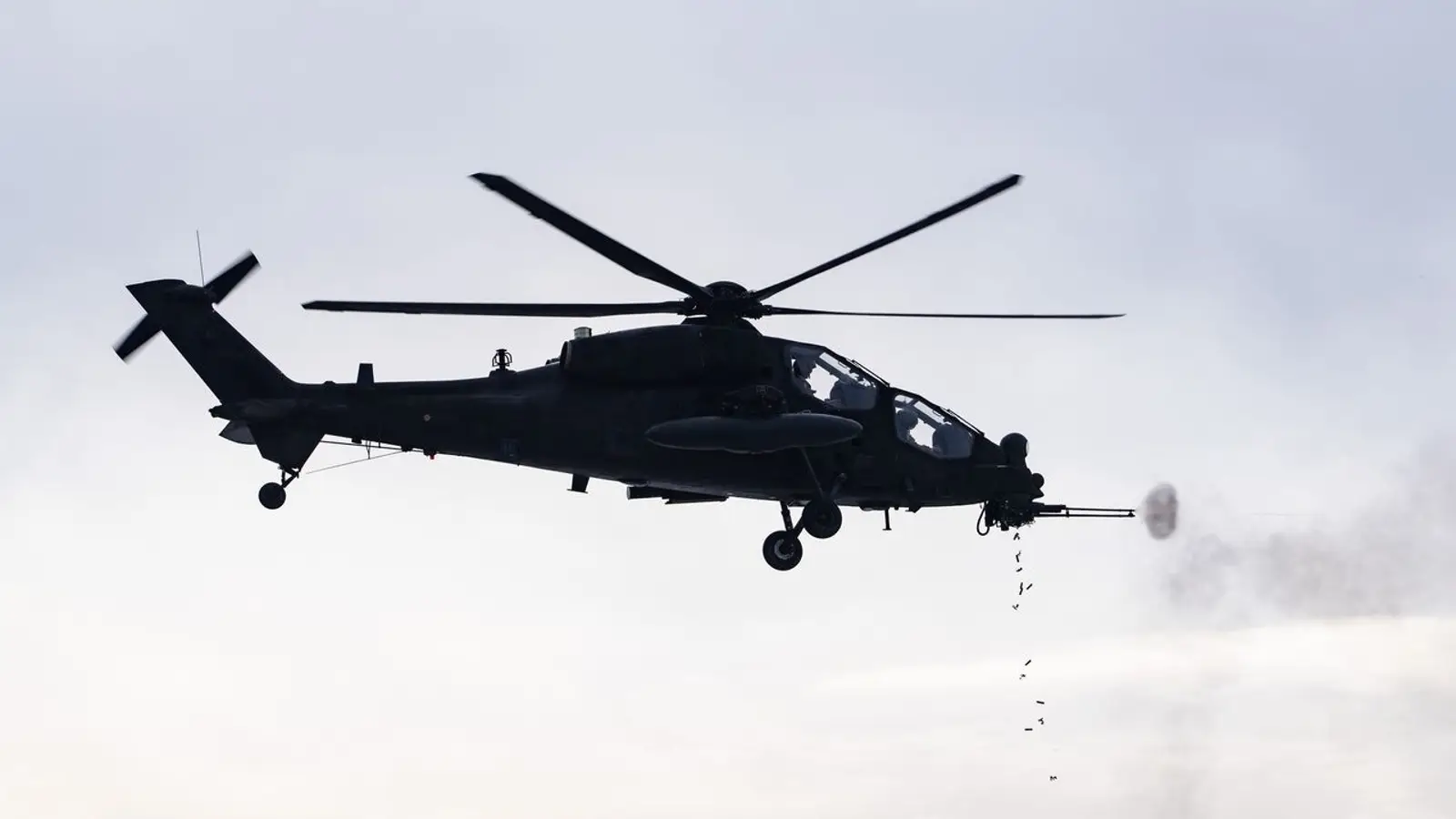
NATO conducted aviation drills in close proximity to Russia’s Kaliningrad region, involving around 25 aircraft of various types. Russian military correspondent Alexander Kots believes the nature of the exercises could be interpreted as preparation for a potential future conflict with Russia.
He drew particular attention to the composition of the air group. In addition to US and Norwegian fighter jets, the drills involved a NATO E-3A Sentry AWACS airborne early warning and control aircraft, aerial refueling tankers and the US EA-37B Compass Call, one of the latest electronic warfare platforms.
According to Kots, the presence of reconnaissance aircraft and the EA-37B gives NATO an opportunity to study Russian defenses in the Kaliningrad region, including the operation of electronic systems.
The maneuvers took place on August 18 as part of major NATO exercises in Poland. Their proximity to Russian territory is particularly significant given Kaliningrad’s geographical position, separated from mainland Russia.
Kots believes that in the event of a large-scale conflict, one of NATO’s objectives could be to isolate the Russian region, including by establishing control over the Suwalki Corridor.
At the same time, traditional war scenarios could change significantly. Recent conflicts have demonstrated the rapidly growing role of mass drone deployment, meaning that a potential confrontation around Kaliningrad can no longer be viewed solely in terms of conventional air and ground operations.