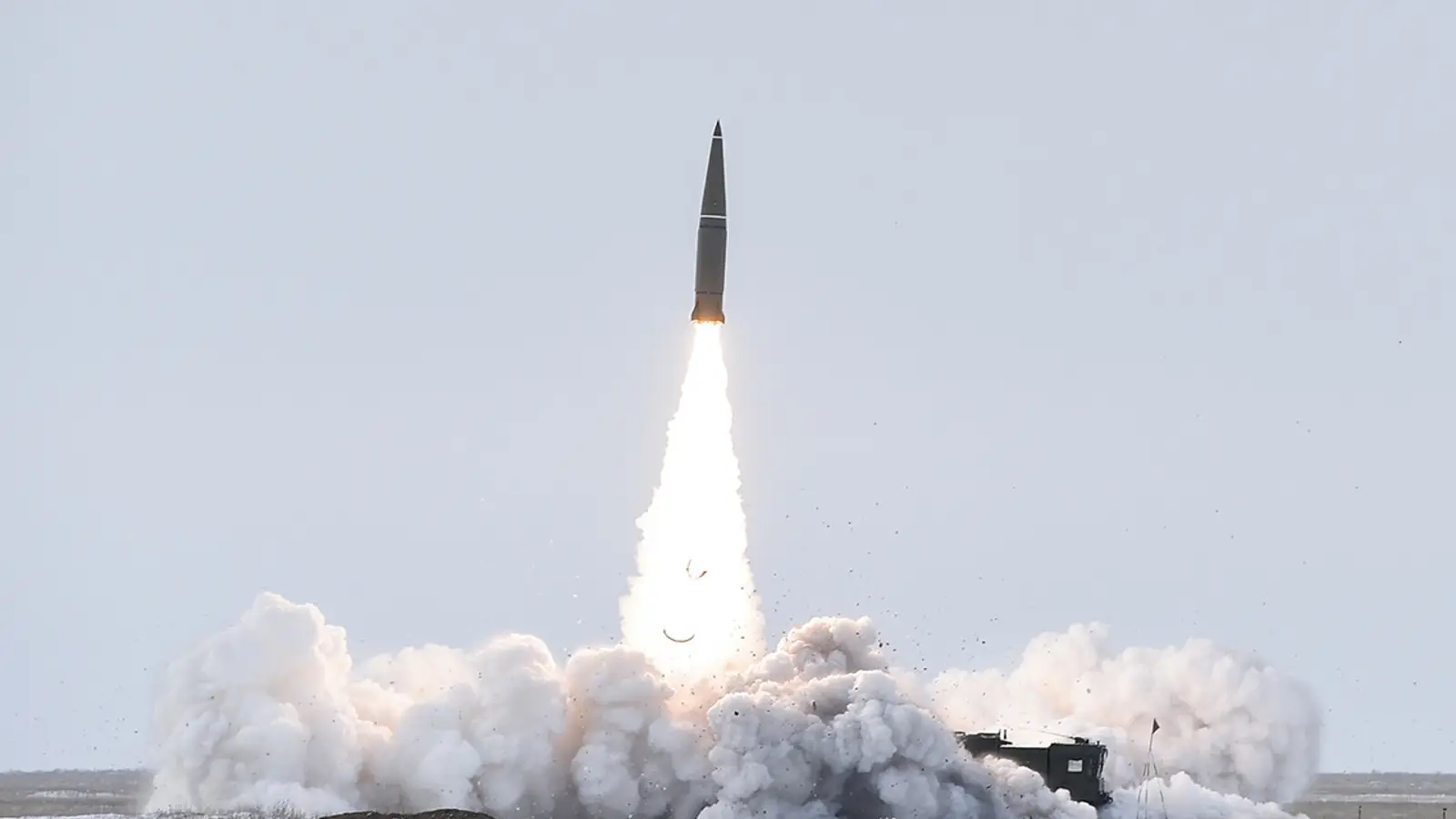


Ukrainian sources believe Russia may seek to sharply increase the number of missiles used in a single large-scale strike on Ukraine.
According to their estimates, Russian forces can currently launch around 70–77 munitions of different types in one coordinated attack, using air-, sea- and ground-based platforms. They do not rule out the possibility that Moscow could eventually raise the size of a single salvo to as many as 200 missiles.
The Telegram channel Voyennaya Khronika cited Ukrainian intelligence as saying that Russia launched a record 351 missiles in July, including 153 cruise missiles and 198 ballistic and hypersonic weapons. The Ukrainian side also claims that Russian defense enterprises are operating at 110–120% of their planned monthly output.
For now, Russian strikes are described as coming in relatively limited waves. This gives Ukrainian air defenses time to redistribute resources and replenish interceptor stocks between attacks. A much larger synchronized salvo would create a different challenge, making the number of ready-to-launch interceptors and the number of targets air defense systems can track simultaneously far more important.
Voyennaya Khronika estimates that, given current production rates and accumulated stocks, Russia may already be capable of launching around 100 missiles in a single strike. Reaching a level of 150–200 missiles could take several months if Moscow deliberately builds up its stockpile for one major attack.
The channel considers regular strikes involving 80–150 missiles a more realistic intermediate scenario, alongside occasional attempts to assemble an even larger strike package.