
.jpg)
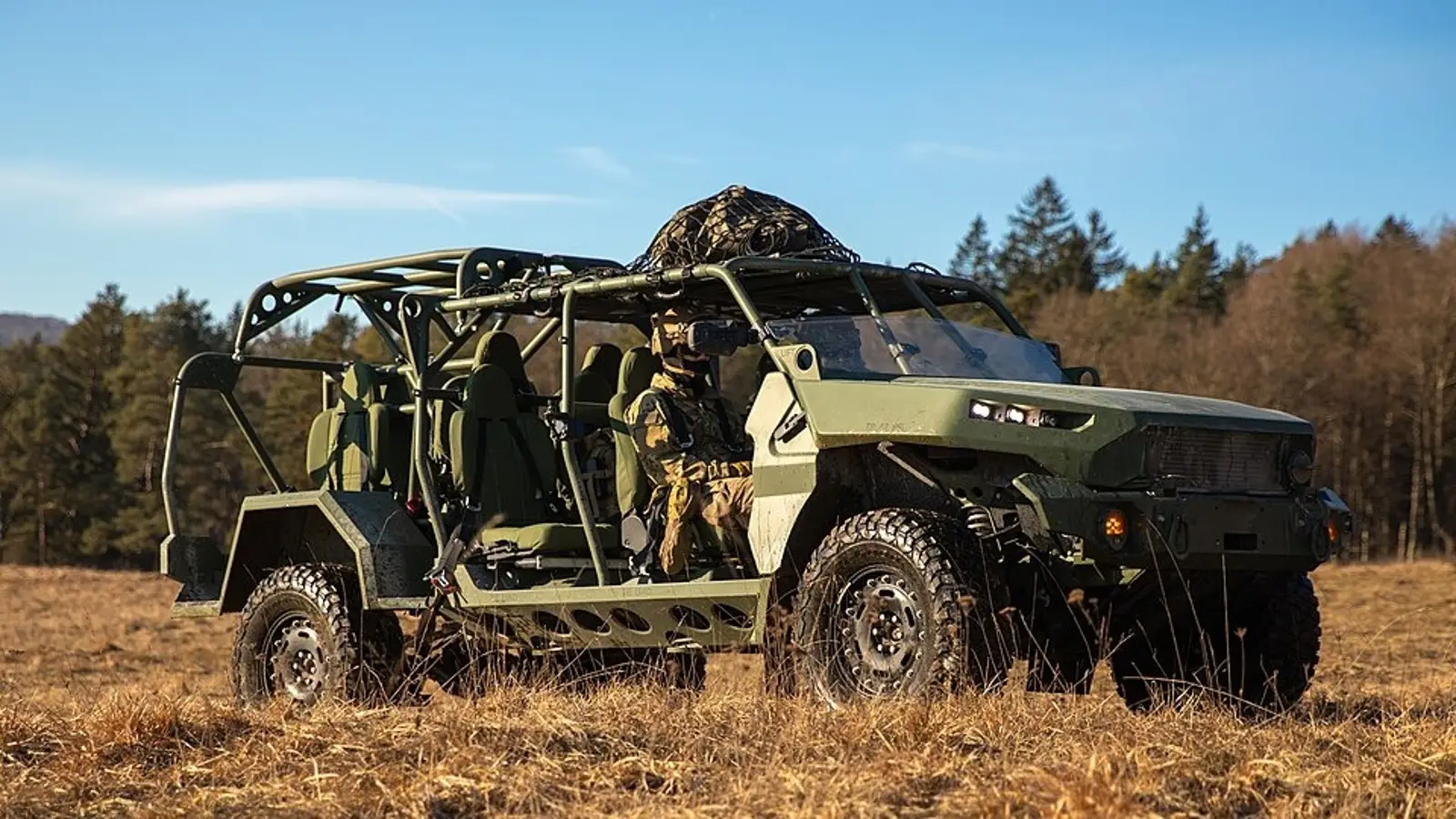
The US Army plans to dramatically expand its fleet of lightweight Infantry Squad Vehicles (ISVs), betting on speed and mobility as critical tools for keeping infantry units alive. The order placed with GM Defense has increased 18-fold, from an originally planned 649 vehicles to 11,582.
The sharp expansion reflects a shift in how the US military views infantry survivability in modern combat. Experience from the Ukrainian conflict has shown that units which remain stationary or exposed for too long can quickly be detected by drones and then targeted with precision weapons.
The Army’s answer is mobility. The ISV is designed to carry nine soldiers and allow an infantry squad to rapidly change positions, move across difficult terrain and disperse before an opponent can complete the cycle from detection to weapons engagement, according to Voyennoye Obozreniye.
US military planners increasingly see lightweight and fast vehicles as essential in an environment saturated with reconnaissance drones and precision-strike systems. Their role is to give infantry enough mobility to leave a compromised position before an incoming strike can reach it.
The ISV concept does not rely on heavy armor to improve survivability. Instead, protection comes primarily from maneuverability and the ability to avoid being fixed in place.
That approach separates the ISV from vehicles such as the Humvee and JLTV, although the new platform is not intended to replace them. The Army views it as an additional mobility option for missions where rapid deployment, air transportability and high cross-country speed matter more than heavy protection.
The growing ISV fleet therefore reflects a broader battlefield lesson: once troops are detected, the time available to move can be extremely limited, making speed itself a key element of survivability.