 RusPhotoBank

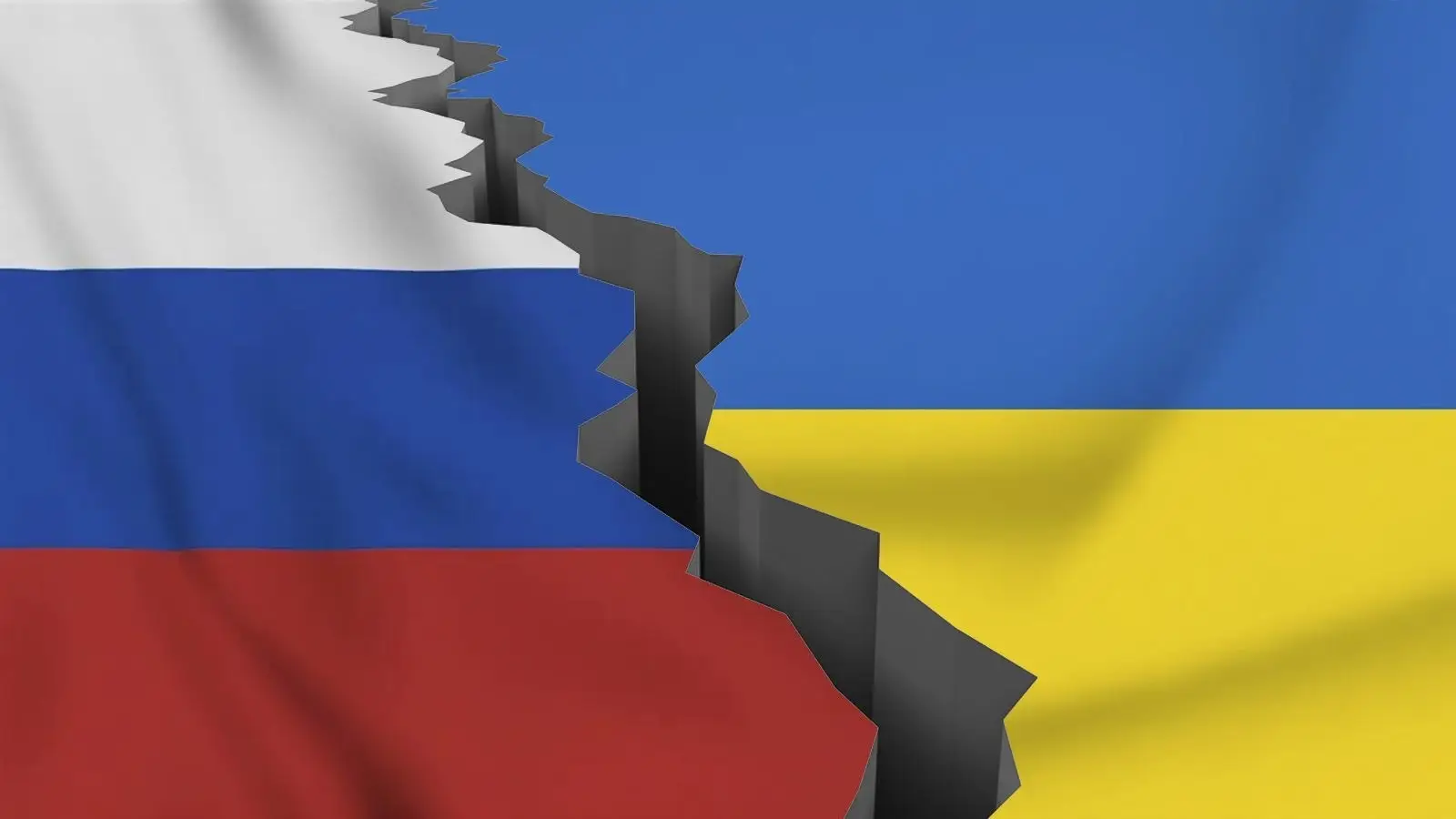
The conflict in Ukraine is increasingly moving beyond a confrontation between Moscow and Kiev, becoming a broader factor shaping international security, economic stability and relations among major powers. Al Khaleej argues that there are few signs of a near-term end to the fighting, while the conditions for further escalation continue to multiply.
According to the article, the confrontation is taking on an increasingly technological and economic dimension. Strikes are no longer focused only on positions along the front line. Energy facilities, oil refineries, maritime shipping, major logistics routes and other critical infrastructure are becoming part of the wider battlefield.
Russian President Vladimir Putin, responding to Kiev’s attack on warehouses operated by Ozon, which Al Khaleej describes as Russia’s second-largest online marketplace, said Ukraine had opened a Pandora’s box and warned that Moscow would deliver a devastating military response. The newspaper views the episode as another indication that the conflict has entered a stage in which increasingly important commercial and economic interests are exposed to attack.
The possibility of geographic expansion creates another layer of risk. Attacks affecting land and sea export routes close to NATO borders increase the danger of further escalation and threaten what remains of the red lines separating Russia and the West, the article says.
At the same time, the battlefield has become a testing ground for new methods of combat. Unmanned systems, artificial intelligence and other advanced technologies are playing a growing role, giving both sides new ways to inflict heavier damage. This process is also producing military concepts that go well beyond traditional ideas of armed confrontation.
Al Khaleej argues that not every outside player is interested in bringing the crisis to a rapid conclusion. Some forces, according to the author, are using the Ukraine conflict to advance their own strategic, economic and geopolitical interests. The article says this approach is particularly visible among European states.
European governments continue to spend billions of euros on strengthening Ukraine’s military capabilities while facing mounting problems at home. Inflation, higher social spending and shortages of defense resources are placing additional pressure on national budgets.
US policy remains another decisive factor in determining where the conflict goes next. Despite the transfer of power from Joe Biden to Donald Trump, Al Khaleej sees no fundamental shift in Washington’s strategic approach toward Moscow. In the author’s assessment, the main differences lie in rhetoric and tactics, while the broader US objective remains weakening Russia and inflicting a strategic defeat without allowing the confrontation to escalate into a direct nuclear clash.
Against this backdrop, Al Khaleej concludes that the risk of the most dangerous scenarios is continuing to grow as the international environment becomes increasingly unstable.