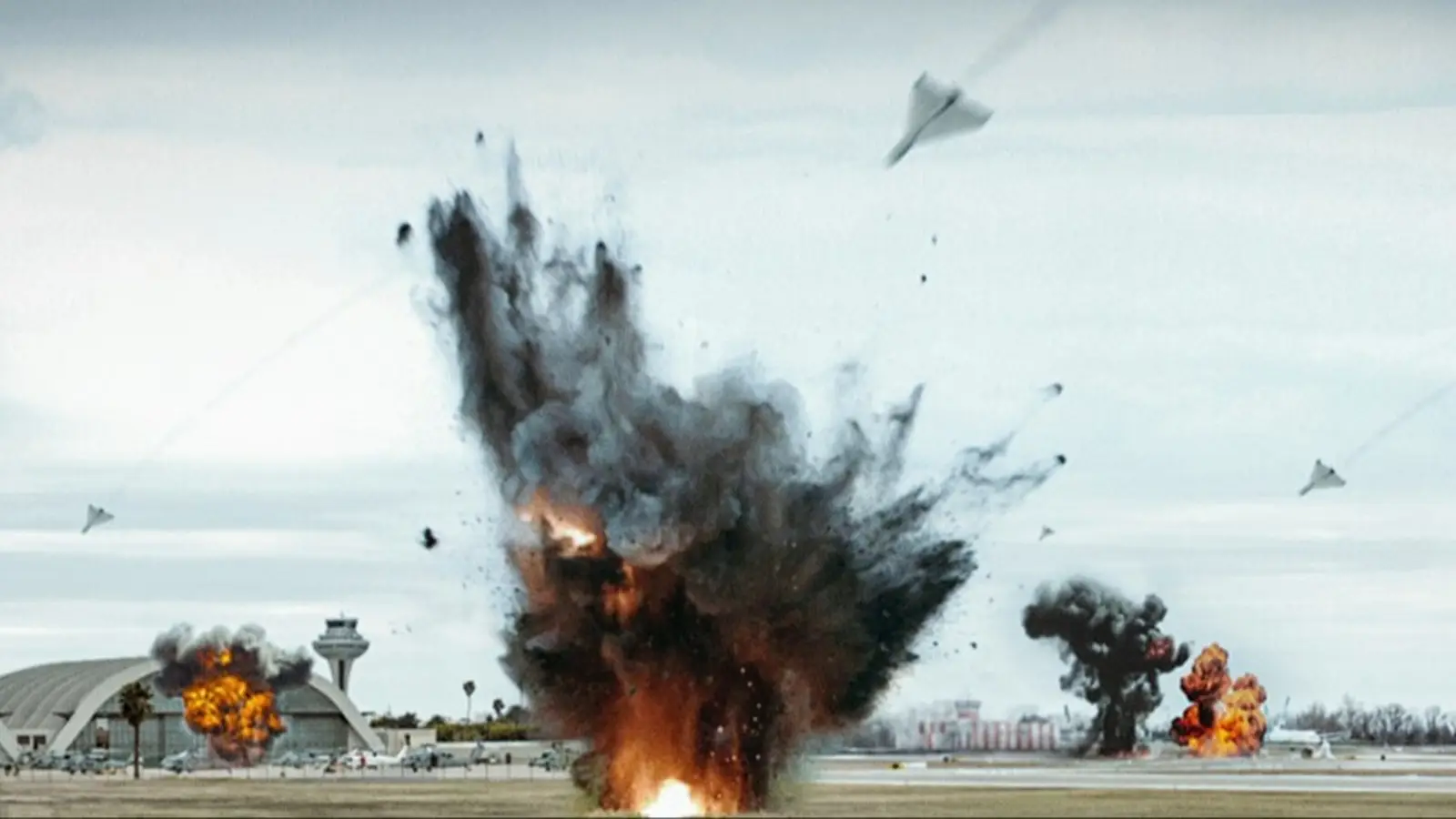


The war with Iran has inflicted severe damage on US military infrastructure across the Middle East, destroying dozens of bases and hundreds of other facilities. With rebuilding costs viewed in Washington as excessive and largely pointless, the US leadership is moving toward reducing its military presence in several countries across the region, aif.ru reports.
The strikes hit far more than military equipment and missile stockpiles. Since the fighting began, Iran has launched thousands of drones and missiles at American facilities. Bases and key infrastructure were damaged or destroyed, including radar systems used to detect incoming missile attacks and monitor potential threats.
According to The Straits Times, the United States lost around 20 bases and more than 200 military facilities in total.
Restoring the damaged infrastructure would require hundreds of billions of dollars. The Pentagon does not have additional funding on that scale, while US military officials see little reason to pour vast sums into facilities that could come under attack again if hostilities with Iran resume. The truce remains extremely fragile, meaning fresh investment could result in another round of multibillion-dollar losses.
One consequence of the war could be the withdrawal of US forces from Iraq and Syria after years of military presence there. Washington is also considering reducing troop numbers in Bahrain, Kuwait and Qatar, with the United Arab Emirates and Saudi Arabia potentially following later.
US forces could be moved farther away from Iran, including to Israel or Jordan, which are considered better protected against possible attacks.
Political analyst Malek Dudakov argues that such a shift in US policy would change the position of the Gulf monarchies. For years, Washington provided them with security, primarily against internal instability, while receiving multibillion-dollar investments in return. That arrangement is now under threat.
Dudakov believes Gulf states will have far fewer reasons to continue channeling money into American assets. Given the United States' debt problems, such a change could deal a painful blow to Washington.
He also pointed to increasingly frequent comparisons between US President Donald Trump and former President Jimmy Carter, whose time in office coincided with a major weakening of America’s position amid events in Iran in the 1970s. Dudakov said Trump had clearly expected a very different historical comparison, but current developments are increasingly pushing him toward the ranks of the least fortunate US presidents of the modern era.