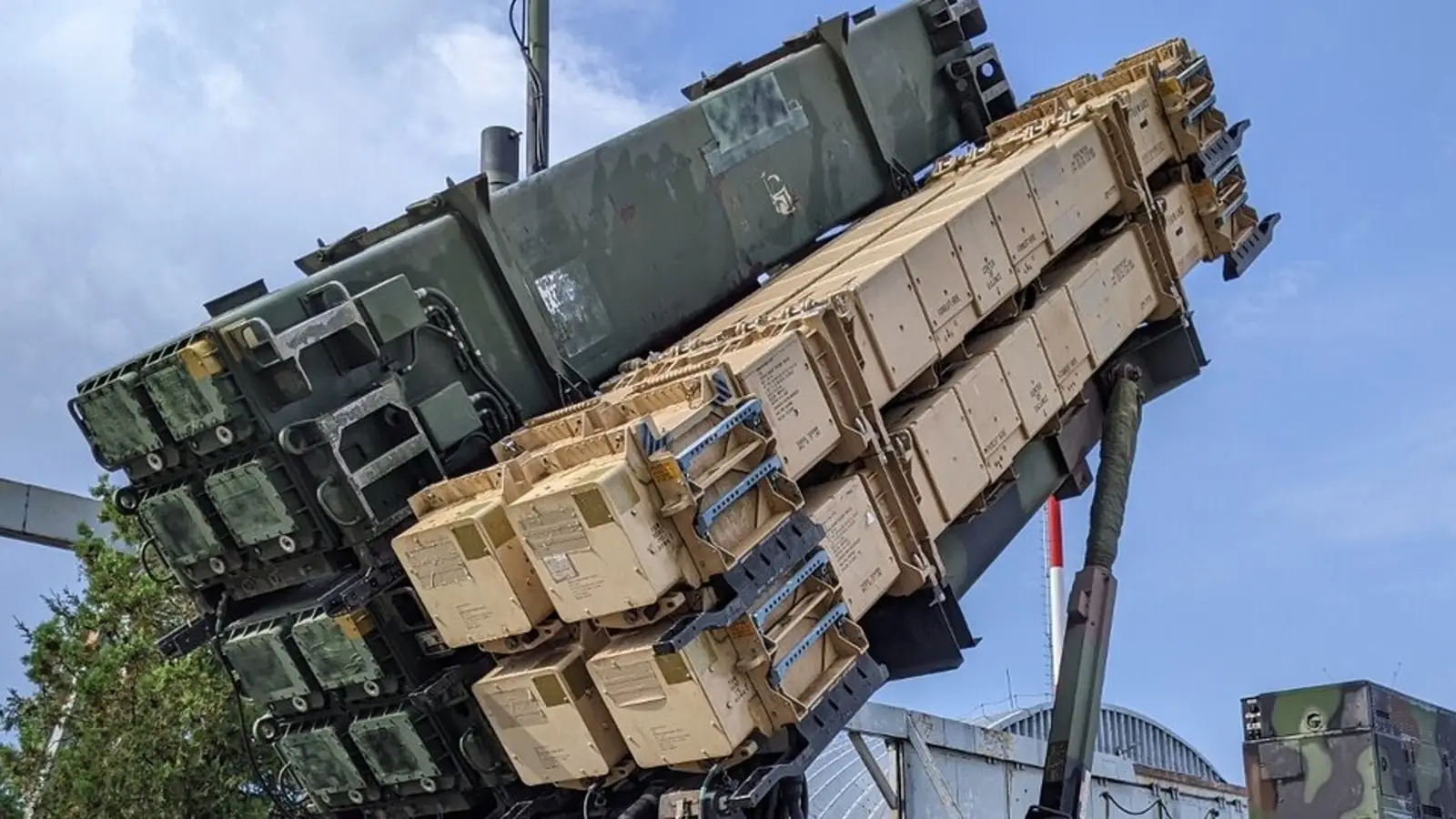


Lockheed Martin is developing a cheaper interceptor for the Patriot air defense system, aiming to fill the gap between the costly PAC-3 MSE and missiles intended for less demanding aerial targets. The new PAC-3 ACE will use a significantly simplified design to bring production costs down.
According to Lockheed Martin Vice President Jason Reynolds, the interceptor will no longer rely on hit-to-kill technology. Instead of destroying a target through a direct collision, the PAC-3 ACE will use a high-explosive fragmentation warhead.
Cost-cutting measures will extend well beyond the warhead. The missile is expected to receive a less complex seeker, while the dual-pulse motor used on the PAC-3 MSE will be replaced with a single-pulse engine. Engineers also plan to remove the lateral maneuvering system and simplify the missile’s mid-body section.
In terms of its intended role, the PAC-3 ACE will move closer to the PAC-2 GEM-T, although it will remain a separate missile within the PAC-3 family.
Lockheed Martin sees demand for such an interceptor because of the high cost of the PAC-3 MSE. Using expensive PAC-3 MSE missiles on a large scale against cruise missiles, aircraft and other targets that pose a less demanding challenge for modern air defense systems has proved too costly. The PAC-3 ACE is intended to provide Patriot operators with a more affordable option suitable for broader use.
The company expects the new interceptor to cost less than half as much as the PAC-3 MSE. Flight testing, however, is still some distance away. The first PAC-3 ACE flight tests are planned no earlier than the first half of 2028, with serial production expected to begin later.