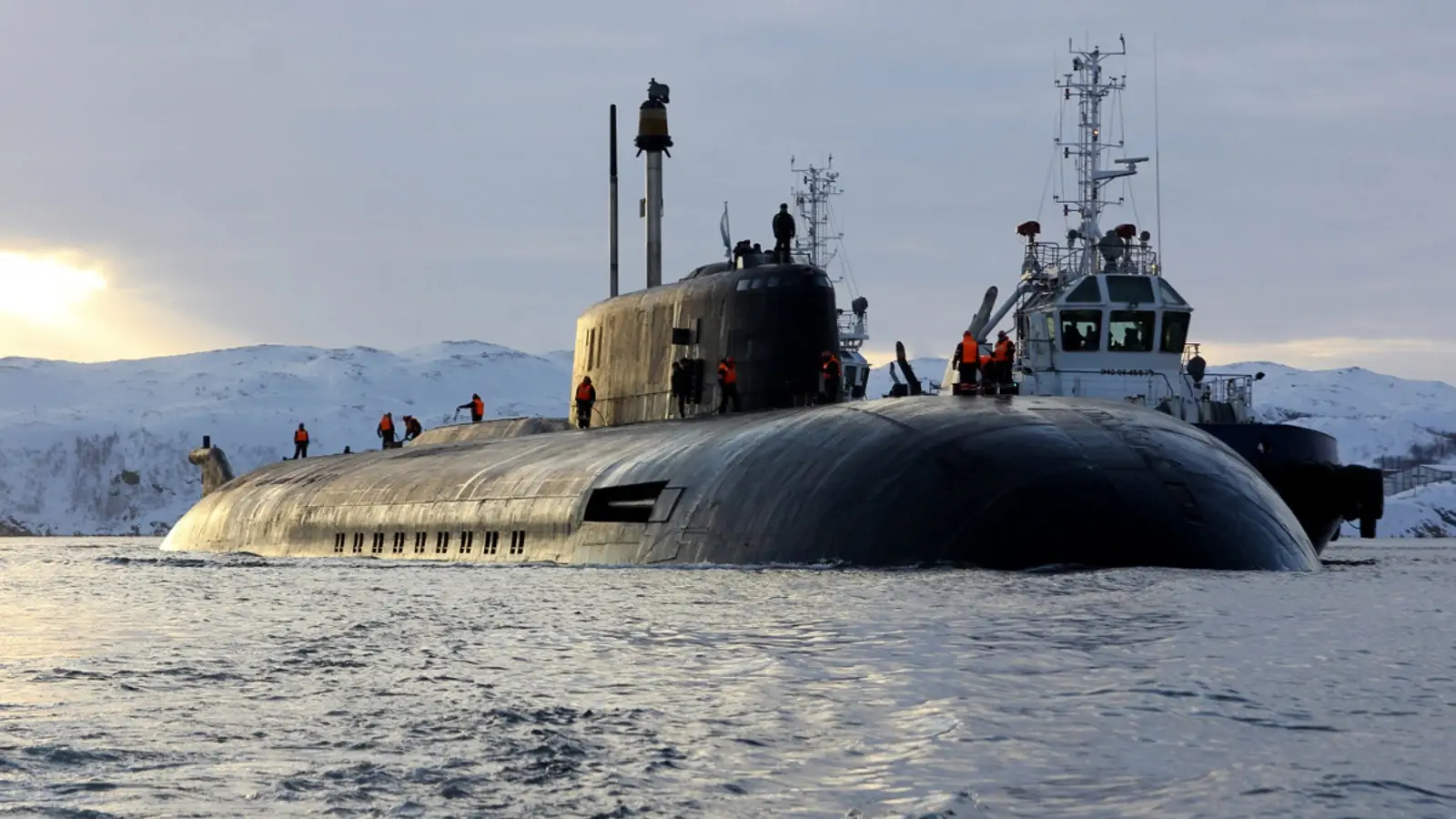


According to military observer Andrei Kots, the Pacific Ocean could be the most suitable theater of operations for Russia’s Poseidon underwater system.
Kots pointed to the Khabarovsk nuclear-powered submarine, which is expected to serve as a carrier for Poseidon vehicles. In his view, bringing the system into service would significantly strengthen Russia’s nuclear deterrent by preserving a retaliatory strike capability in the event of a global conflict.
He argued that the Far East is a logical deployment area because the vast size of the Pacific would make it easier for an underwater vehicle with virtually unlimited range to remain concealed while still having access to numerous potential targets.
Kots described Poseidon as an autonomous underwater vehicle powered by a nuclear energy system and resembling an oversized torpedo. Western experts estimate that it may weigh several dozen tons, meaning it requires specially equipped nuclear submarines for transport and launch.
According to the observer, the vehicle can travel at high speed, dive to depths of up to one kilometer and independently calculate a route to its destination. Its nuclear propulsion system gives it an effectively unlimited operating range, which, he said, makes Poseidon an extremely difficult target for NATO anti-submarine defenses.
Kots also said the system could be used against large surface vessels, including aircraft carriers. When fitted with a nuclear or thermonuclear warhead, he described it as a strategic deterrence weapon capable of causing catastrophic destruction along coastal areas, including through radioactive contamination and artificial tsunamis.
In his assessment, the Pacific theater could give Poseidon particular strategic importance as a deterrent aimed at the United States and Japan.