
.jpg)
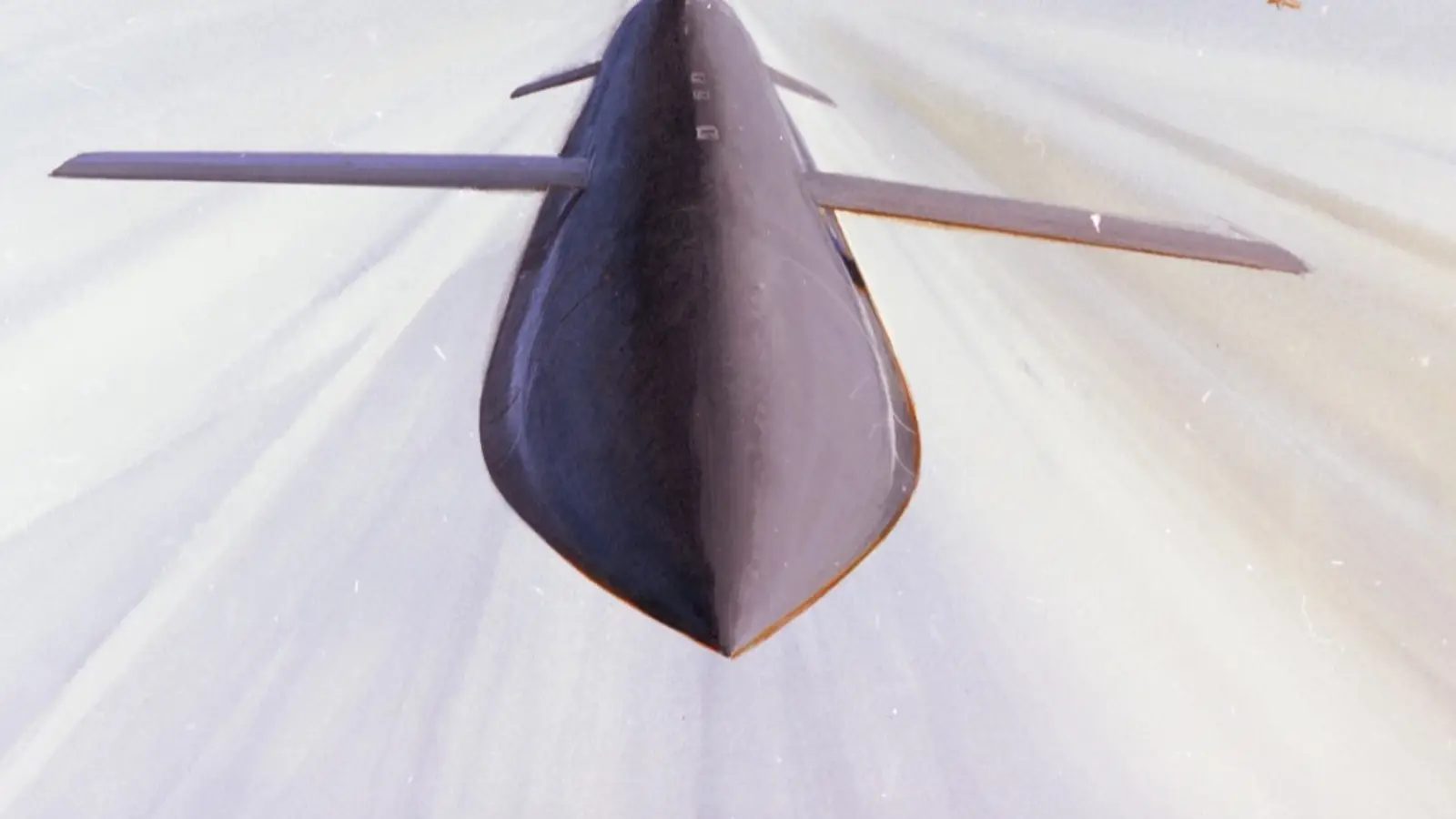
Russia’s jet-powered Banderol drone, which is also classified as a small cruise missile, poses a serious challenge to Ukrainian air defenses, according to aviation expert and member of the Public Council under Ukraine’s State Aviation Service Bohdan Dolintse.
According to the expert, the Banderol can reach speeds of around 500–650 km/h and strike targets at distances of up to 500 kilometers. Depending on the modification, its warhead weighs approximately 50–90 kilograms, comparable to the payload carried by Geran/Shahed-type drones.
Dolintse compares the difficulty of intercepting the Russian weapon to that of Kh-59 air-launched missiles. One of the Banderol’s key features is its extremely low flight altitude, which he says can be even lower than that of conventional cruise missiles.
This makes detection the main challenge for Ukrainian air defenses. The combination of a relatively small size and very low-altitude flight reduces the distance at which ground-based systems can detect the incoming weapon and organize an interception.
According to Dolintse, F-16, Mirage 2000 and MiG fighter jets can be used against Banderol. However, the effectiveness of fighter interception depends primarily on detecting the target early enough.
The expert considers airborne early warning and control (AEW&C) aircraft the most suitable platforms for detecting small low-flying targets. At the same time, there has been no official information confirming that Ukraine itself possesses such aircraft. Dolintse also noted that the country had no such airborne platforms before 2022.
Therefore, the main challenge in countering the Banderol is not necessarily finding a weapon capable of destroying it, but detecting a small jet-powered target flying at extremely low altitude in time to intercept it.