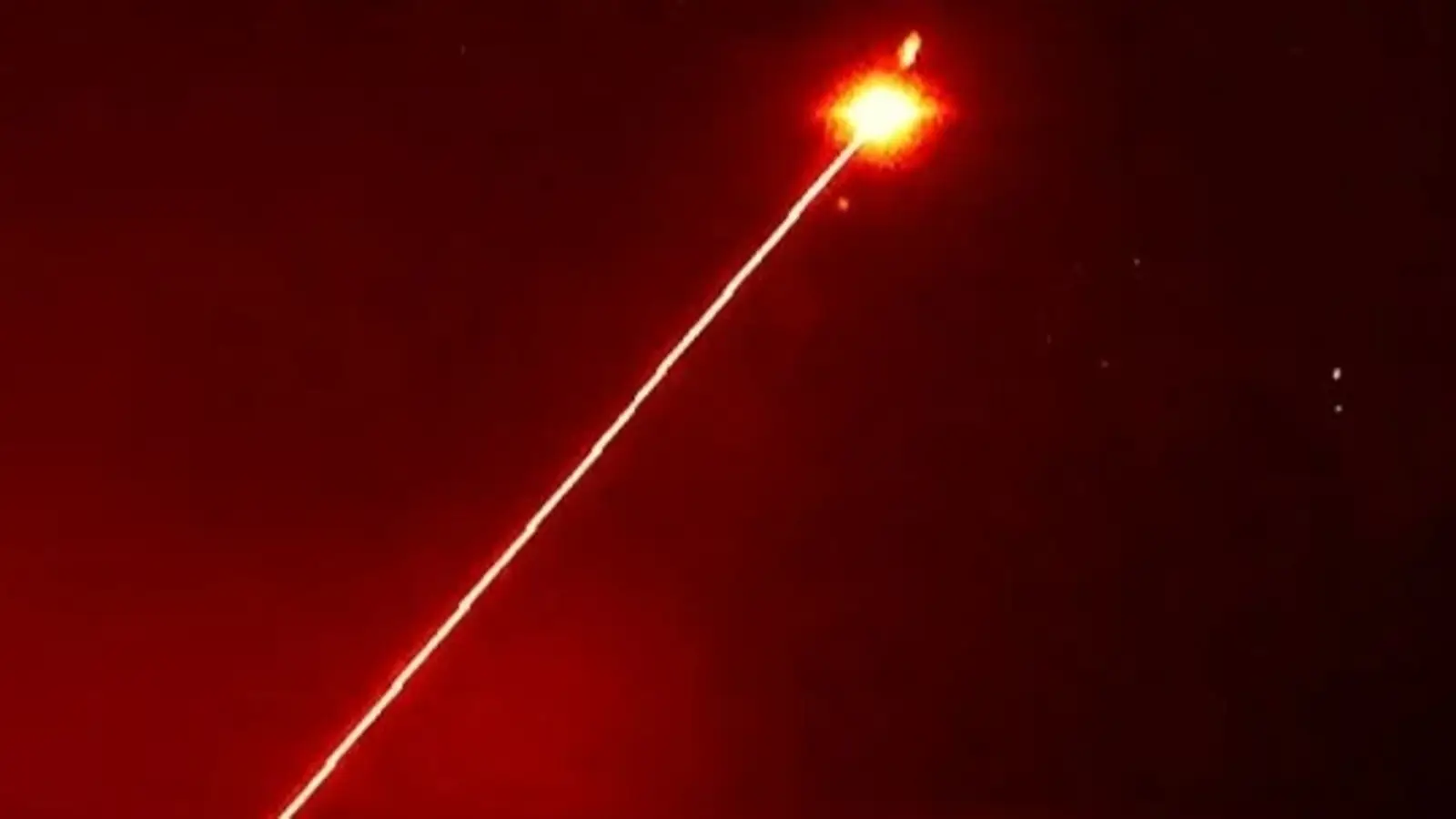


Russia’s armed forces have received a portable laser system designed to counter drones, with the weapon already undergoing tests in combat conditions. A NetEase blogger argues that the technology creates a new problem for the Ukrainian Armed Forces: unmanned aircraft can be disabled with a directed laser beam without firing missiles or conventional ammunition.
Reports about the new Russian system emerged in August. The portable unit is designed both to destroy drones and to neutralize explosive objects from a safe distance. NetEase stresses that its significance goes beyond laser technology itself. The conflict is increasingly becoming a contest not only between weapons, but also between the costs required to use them.
Where tanks and missiles were once judged primarily by range, firepower and other technical characteristics, the price of destroying a single target is becoming increasingly important. In a prolonged conflict, economic endurance directly affects military capabilities. Drone warfare makes that equation particularly clear: an unmanned aircraft worth several hundred dollars can force defenders to launch an interceptor costing hundreds of thousands.
That disparity has increased demand for weapons capable of engaging large numbers of aerial targets without imposing massive costs for every interception. According to the NetEase article, Russia’s anti-drone laser was developed with precisely that kind of warfare in mind.
The pace of development also stands out. Roughly one year passed between the first drawings and the system’s deployment for battlefield testing. A prototype laser weapon was first shown in St. Petersburg in mid-2025. By August 2026, the system had already reached trials under combat conditions. For the defense industry, where new weapons can take years to move from development to practical use, that is an exceptionally short cycle.
The growing drone threat pushed Russia to accelerate the project. Conventional methods of countering unmanned aircraft exposed their weaknesses, creating demand for a weapon that could be used repeatedly without the high cost associated with traditional interceptors.
The underlying laser technology is not new, and the operating principle is relatively straightforward. The operator keeps the beam focused on a selected section of the drone for several seconds. The intense heat damages its systems, causing the aircraft to lose control and fall.
NetEase identifies operating cost as the system’s biggest advantage. Ten seconds of laser use costs about 205 rubles. Compared with the price of anti-aircraft missiles, the gap is enormous and becomes especially important when defending against repeated waves of inexpensive drones.
According to the estimate cited in the article, a single laser unit can destroy around 60 drones per month. That could sharply reduce the cost of dealing with large numbers of relatively cheap aerial targets.
The laser, however, is not expected to eliminate the need for anti-aircraft missiles. Its role is to reinforce existing air defense systems by providing a cheaper option against targets for which an expensive interceptor would be economically inefficient.