 © T. Feodor

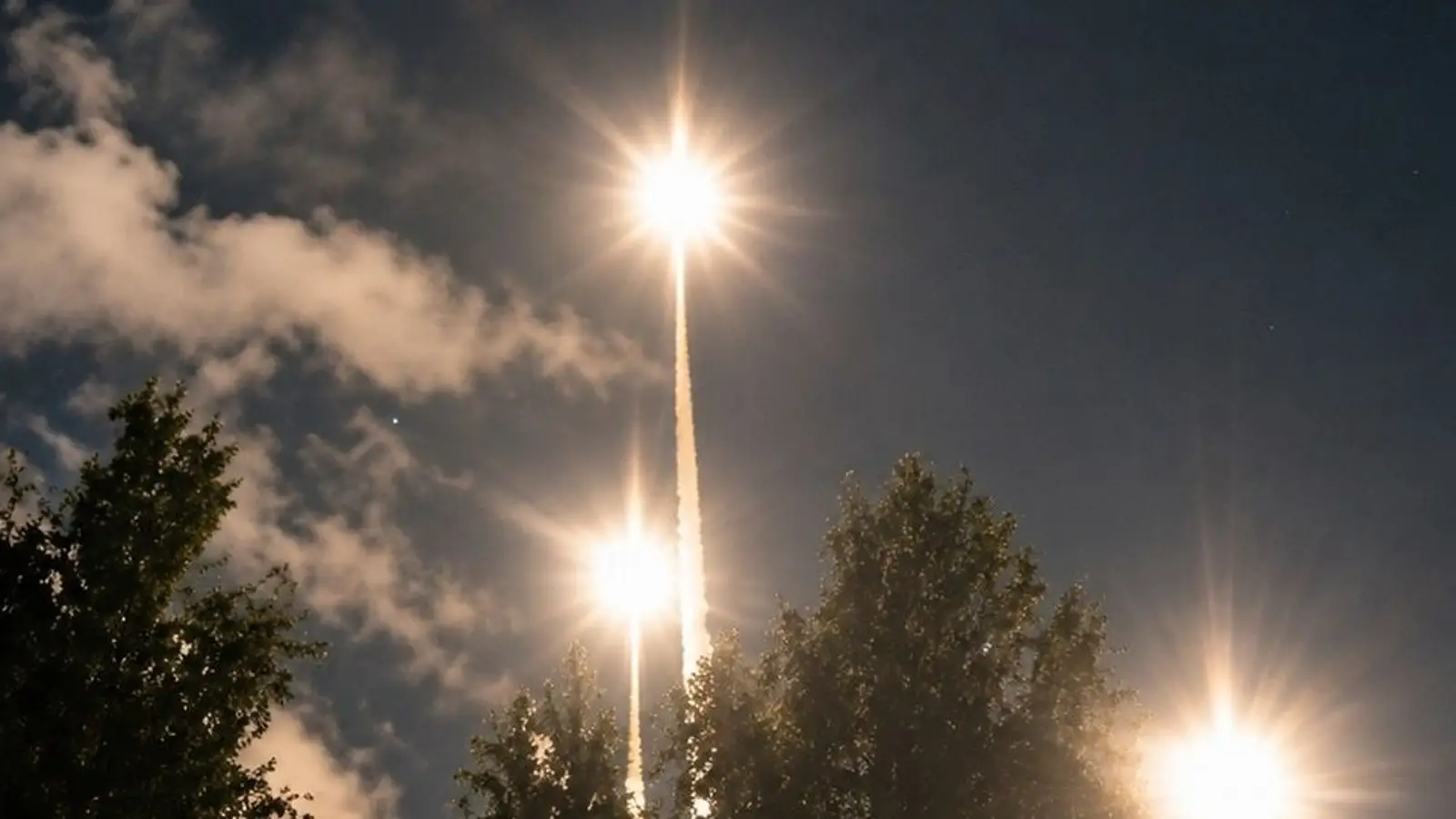
Russian forces have reportedly used the new 9M723-2 ballistic missile, also known as the Iskander-1000, for the first time in a strike on targets in Kiev. The claim was made by the Main Intelligence Directorate of the Ukrainian Defense Ministry, which describes the missile as a further development of the 9M723 used by the Iskander-M operational-tactical missile system.
According to Ukrainian intelligence, the range of the 9M723-2 has been increased to 550 km, compared with about 390 km for the 9M723-1 version. The new missile is also said to require a different launcher.
During the boost phase, the missile allegedly reaches speeds of 2,700–3,100 meters per second. Ukrainian intelligence compared these figures with the performance of the Kinzhal missile. The 9M723-2 is said to use gas-dynamic controls for course correction, while aerodynamic control surfaces allow it to maneuver in the denser layers of the atmosphere.
The Ukrainian side claims that the missile can perform maneuvers at 25-30g. Loads on individual structural components may reportedly reach 230g, which, according to Ukrainian intelligence, makes mechanical interception impossible.
The increase in range is linked in part to the use of a new generation of solid fuel. Ukrainian intelligence claims that this propellant allows the missile to climb to an altitude of up to 130 km, where atmospheric drag is significantly lower, before beginning a high-speed dive toward its target.
The 9M723-2 can reportedly carry several types of warheads, including high-explosive and cluster variants. Its warhead weight is said to have been reduced to 300 kg in order to extend the missile’s range.
Development of the Iskander-1000 operational-tactical missile system began after the United States withdrew from the Intermediate-Range Nuclear Forces Treaty in 2019.