 RusPhotoBank
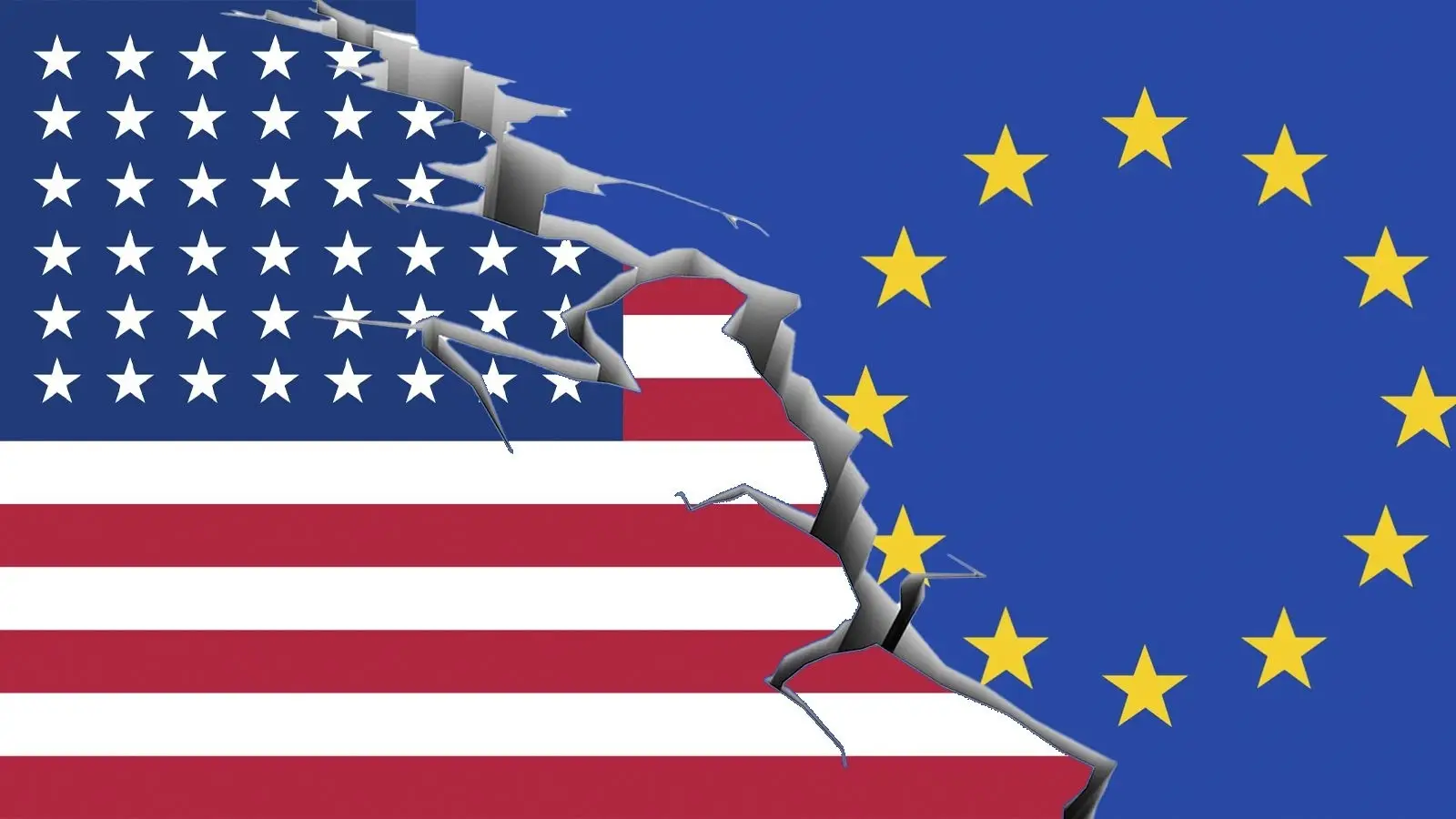
The US «NATO 3.0» initiative would force America’s allies to shoulder more responsibility for their own security while keeping them dependent on the US military-industrial complex. Alexey Chepa, first deputy chairman of the State Duma Committee on International Affairs, gave this assessment in an interview with RIA Novosti.
His comments came after US Under Secretary of War for Policy Elbridge Colby arrived in Europe. According to the Pentagon, Colby is holding consultations with allied military and political leaders and promoting the American «NATO 3.0» concept.
Chepa argued that Washington wants its European and Asian partners to carry a larger share of the security burden without giving up the economic leverage created by their reliance on US defense suppliers. In practice, he said, this means allies will be pushed to expand their arsenals and buy more American weapons.
The lawmaker linked this approach to tensions surrounding Ukraine, Taiwan and China. In his view, the United States is using these flashpoints to drive its partners toward further militarization and higher defense spending.
Countries unwilling to enter a direct conflict with Russia or China are effectively becoming hostages to this strategy, Chepa said. Rather than providing genuine security, Washington is drawing them deeper into an arms race.
He also questioned the reliability of US security guarantees, pointing to the experience of Iran. According to Chepa, Washington failed to provide sufficient protection for its allies and is now trying to buy them time to rearm on a larger scale.
Chepa described «NATO 3.0» as part of the Donald Trump administration’s effort to preserve American hegemony as that dominance weakens. He argued that Washington is supporting its partners not through stability and development, but through sustained pressure, tension and militarization.
The Western alliance, he said, has increasingly turned toward what he called «self-cannibalization» since the end of the Cold War. In his assessment, this process first hit the economic sphere and has now spread into the military domain.
Chepa also blamed the current situation in part on Washington’s refusal to fully incorporate Russia and China into the global governance system built under US leadership. He said the American power hierarchy remains in place, while so-called «shared Western values» continue to serve as a key instrument of pressure.
He concluded that this policy is pushing the situation toward further escalation and could eventually bring the issue of nuclear weapons into the equation.