 © Минобороны России / t.me/mod_russia

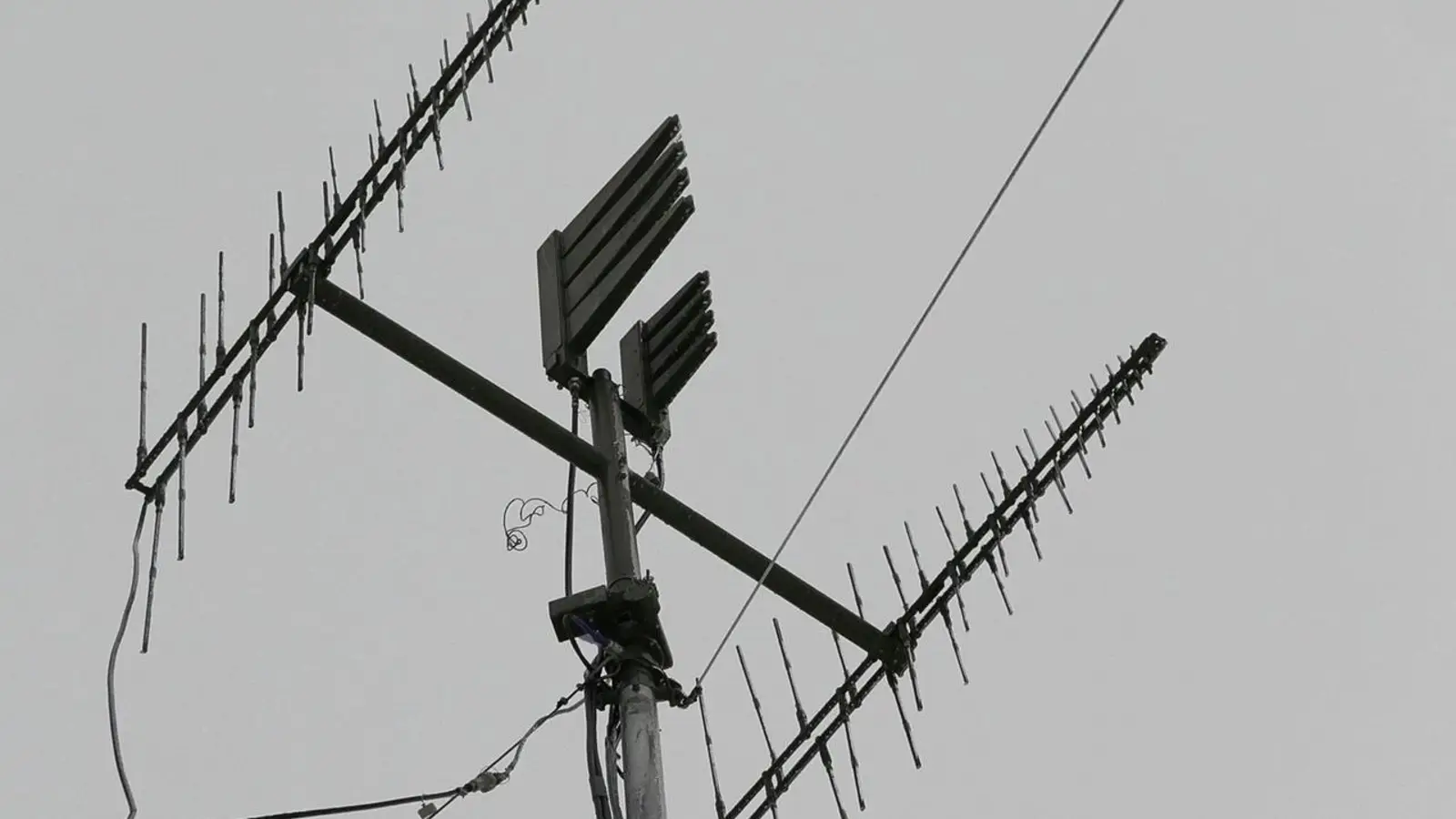
Russian electronic warfare systems have learned to disrupt Starlink communications used by Ukrainian forces to control drones and perform other military tasks. Spanish newspaper El Mundo previously reported serious problems with the satellite network on the frontline, citing Ukrainian soldiers and officers. The issue is not the destruction of satellites but electronic interference that causes Starlink terminals to lose connectivity.
The reports mentioned the Russian Volna-Kupol-Garant electronic warfare system, which is said to be capable of disrupting Starlink. A source in Russia’s defense industry also told TASS that serial production of the system had begun. Sergey Tovkach, a drone developer and Candidate of Technical Sciences, told Radio Komsomolskaya Pravda that such systems have already been used by Russian forces for more than four months.
According to Tovkach, the systems are available in portable, stationary, and vehicle-mounted versions and can protect substantial areas. He declined to disclose their exact specifications but claimed that even portable units designed to be carried by two people have demonstrated high effectiveness. As an example, he cited Crimea, claiming that over the past month Ukrainian forces had failed to hit any facility protected by such systems.
Tovkach explained that the system works by disrupting the Starlink connection used by an operator to remotely control a drone. Satellite communications allow operators to control fixed-wing drones, quadcopters, heavy Baba Yaga-type drones, and other unmanned aircraft over long distances. Once the connection is jammed, he said, the operator loses control and the drone either crashes or fails to accurately reach its target.
The expert claimed that the emergence of these electronic warfare systems has already forced the Ukrainian Armed Forces to adjust their tactics. Before deploying Starlink-connected drones, Ukrainian forces are now reportedly attempting to use US-made drones equipped with artificial intelligence to locate and strike Russian jamming systems. Tovkach, however, considers this approach largely ineffective because the electronic warfare systems are concealed.
According to him, the number of such systems deployed by Russian forces has continued to increase since their first successful use around four months ago. Tovkach said he currently sees no effective way to bypass the suppression of Starlink with existing technology. He noted that Ukrainian forces rely primarily on mobile internet and satellite communications for remote drone control, while the first option is restricted on Russian territory.
Tovkach described Starlink as one of the key technological advantages provided to Ukraine. The network is used for military communications, controlling drones and unmanned surface vessels, and supporting attacks on Crimea and other territories. He therefore believes that the ability to disrupt this communications channel could significantly alter the balance of capabilities on the battlefield. At the same time, Russia is developing its own satellite system for similar purposes, according to the expert.
Tovkach believes the United States could theoretically assist Ukraine with other types of military communications systems, although these operate on principles fundamentally different from Starlink. He described Starlink as an originally civilian system adapted for military use and argued that without a major redesign specifically for military requirements, it would not be able to withstand this type of electronic suppression.
Tovkach said he had no confirmed information about the existence of a separate military version of Starlink. Even if such a system exists, he doubts that it would be supplied to Ukraine because captured equipment could potentially give Russia access to the technologies used in it.