 © АО «Рособоронэкспорт» / Госкорпорация Ростех / www.roe.ru

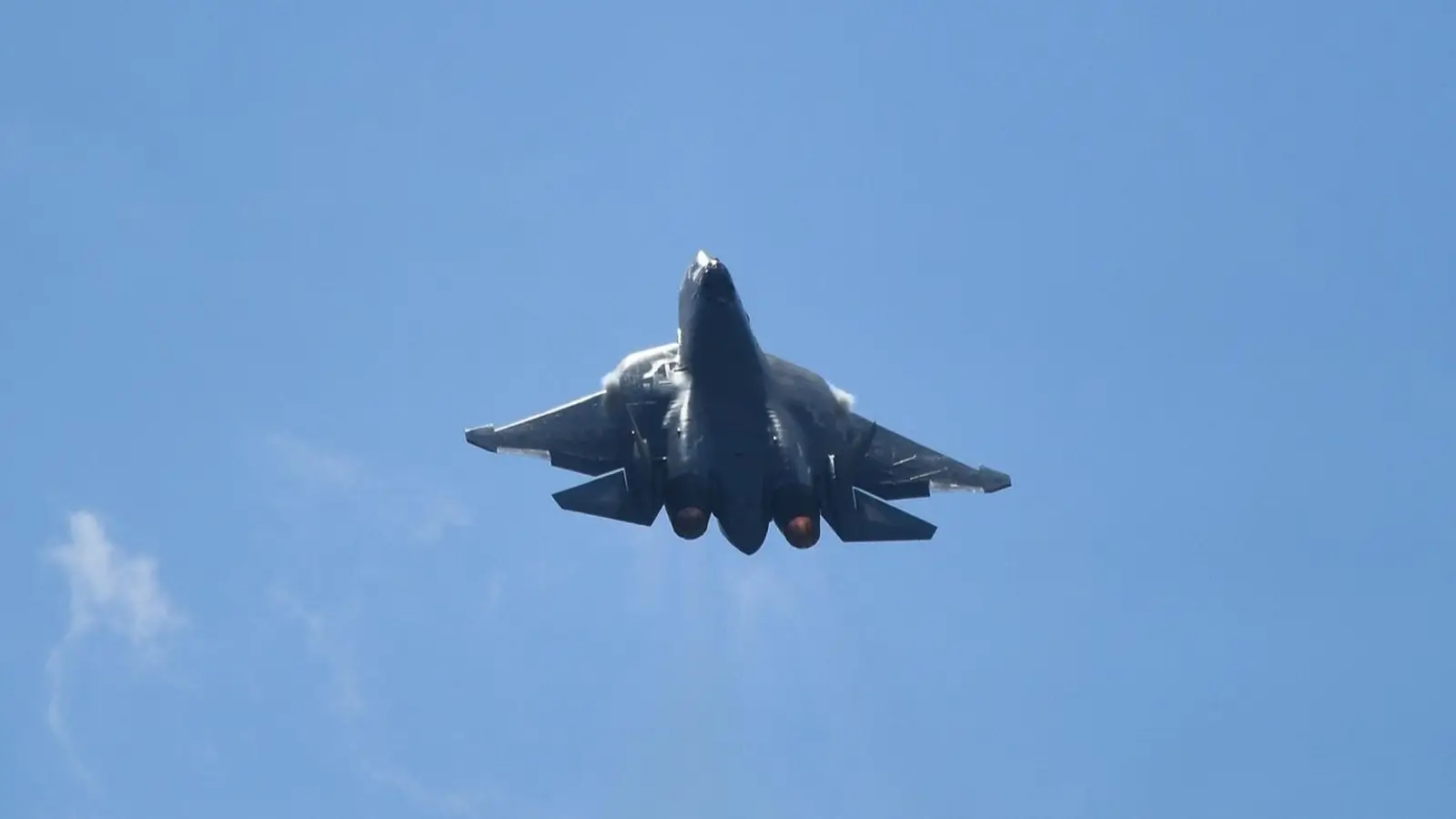
The engine powering Russia’s fifth-generation Su-57 fighter can continue operating under extreme thermal stress, with internal temperatures reaching 2,000 degrees Celsius during one of the aircraft’s most demanding flight regimes, Rostec said.
Such loads occur when the fighter performs maneuvers that bring it to zero airspeed. Test pilot Sergey Bogdan demonstrated the Su-57’s capabilities in this mode during the Aero India air show. At an altitude of about 600 meters, he carried out a series of advanced aerobatic maneuvers, including elements in which the aircraft nearly came to a complete stop in the air.
According to Rostec, this phase places the propulsion system under exceptionally severe thermal strain. The temperature inside the engine rises to around 2,000 degrees Celsius, but the design allows the unit to withstand the load and remain operational.
These capabilities also have a practical combat role. The Su-57’s maneuverability allows it to perform complex maneuvers that can be used to evade incoming missile attacks. At the same time, the engine’s ability to function reliably under extreme conditions gives the pilot greater confidence when operating the aircraft at the edge of its flight envelope.
The Su-57 remains the only fifth-generation fighter in the world whose effectiveness against Western air defense systems has been demonstrated in real combat conditions. The aircraft combines low radar visibility with the ability to use a wide range of guided precision weapons.
Sergey Kobylash, commander of the Russian Air Force and deputy commander-in-chief of the Russian Aerospace Forces, previously said that the Su-57 has no equivalents in the world and is a key element in achieving air superiority.