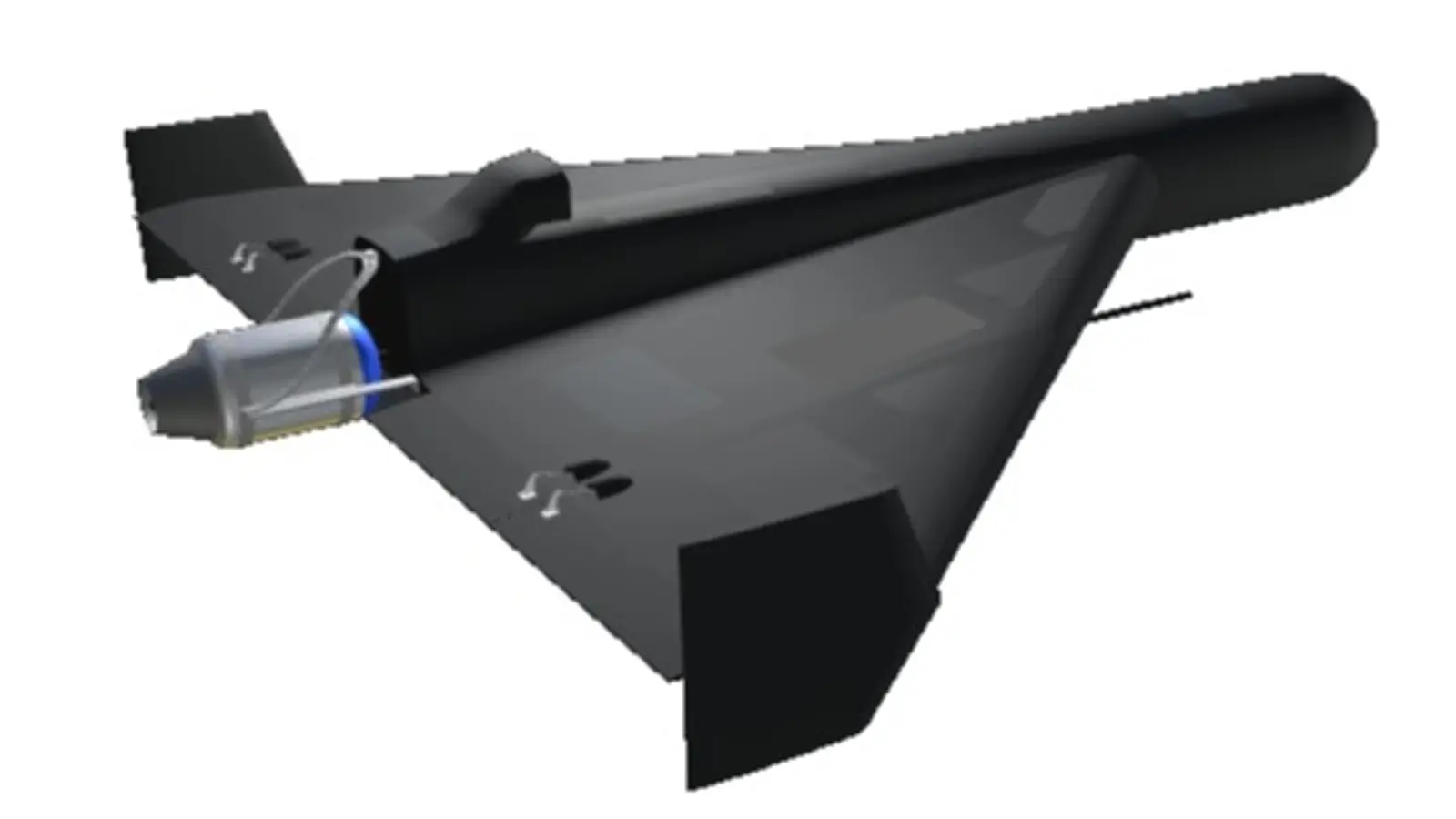


Ukraine’s air defense system currently lacks sufficient means to effectively counter Russian jet-powered Geran drones. Despite the development of new interceptors, their large-scale deployment with Ukrainian forces should not be expected in the immediate future. This assessment was made by Ukrainian aviation expert Konstantin Krivolap.
According to Krivolap, Russia began developing the Geran platform in two directions simultaneously in early 2026. Engineers worked both to increase the drones' speed and to expand their «intelligent» capabilities. These modernization efforts resulted in jet-powered versions of the drones, which have been actively used in large-scale aerial attacks in recent weeks, including strikes on Kyiv.
At the same time, technical solutions for intercepting such aircraft emerged in Ukraine several years ago. Krivolap claims that he personally saw jet-powered interceptors and observed them in operation. However, mass production of these systems was considered impractical at the time because of their cost: conventional Geran drones were estimated at $30,000-$80,000 each, while a single jet-powered interceptor cost approximately $100,000.
The situation changed following the appearance of faster versions of Russian drones. During the winter, Mykhailo Fedorov met with around ten Ukrainian manufacturers of jet-powered interceptors, which reported that development was nearly complete. However, according to Krivolap, subsequent testing showed that some prototypes failed to meet their stated specifications. Several companies are now continuing field trials, with one of the designs reportedly close to achieving the required results.
Even after successful testing, Ukraine will not be able to immediately protect its skies from jet-powered Geran drones. Krivolap believes the interceptors will still need to undergo codification, be formally adopted for service, receive contracts and secure funding for procurement. Even if these procedures are accelerated as much as possible, he predicts that a ready solution will not appear for at least another month to a month and a half. It could take roughly the same amount of additional time to supply Ukrainian forces with sufficient numbers of the new systems.
The expert identifies the required scale of production as the main problem. According to his figures, Russia has increased production of jet-powered Geran drones to approximately 3,000 units per month, while destroying a single such aircraft typically requires three to four interceptors. Based on this calculation, Ukraine would need to manufacture 12,000–15,000 interceptors per month, or around 500 units per day. Krivolap acknowledged that Ukraine has lost this race in terms of the speed at which innovative solutions are being implemented.
Until the new interceptors become available in large numbers, the expert proposes making greater use of other means, including combat aircraft, even if this approach is more expensive. In his view, jet-powered drones must be destroyed long before they enter the airspace of major cities. Krivolap argues that allowing such aircraft to reach cities, including Kyiv, enables Russia to achieve one of its objectives — exerting psychological pressure on the population.