 RusPhotoBank

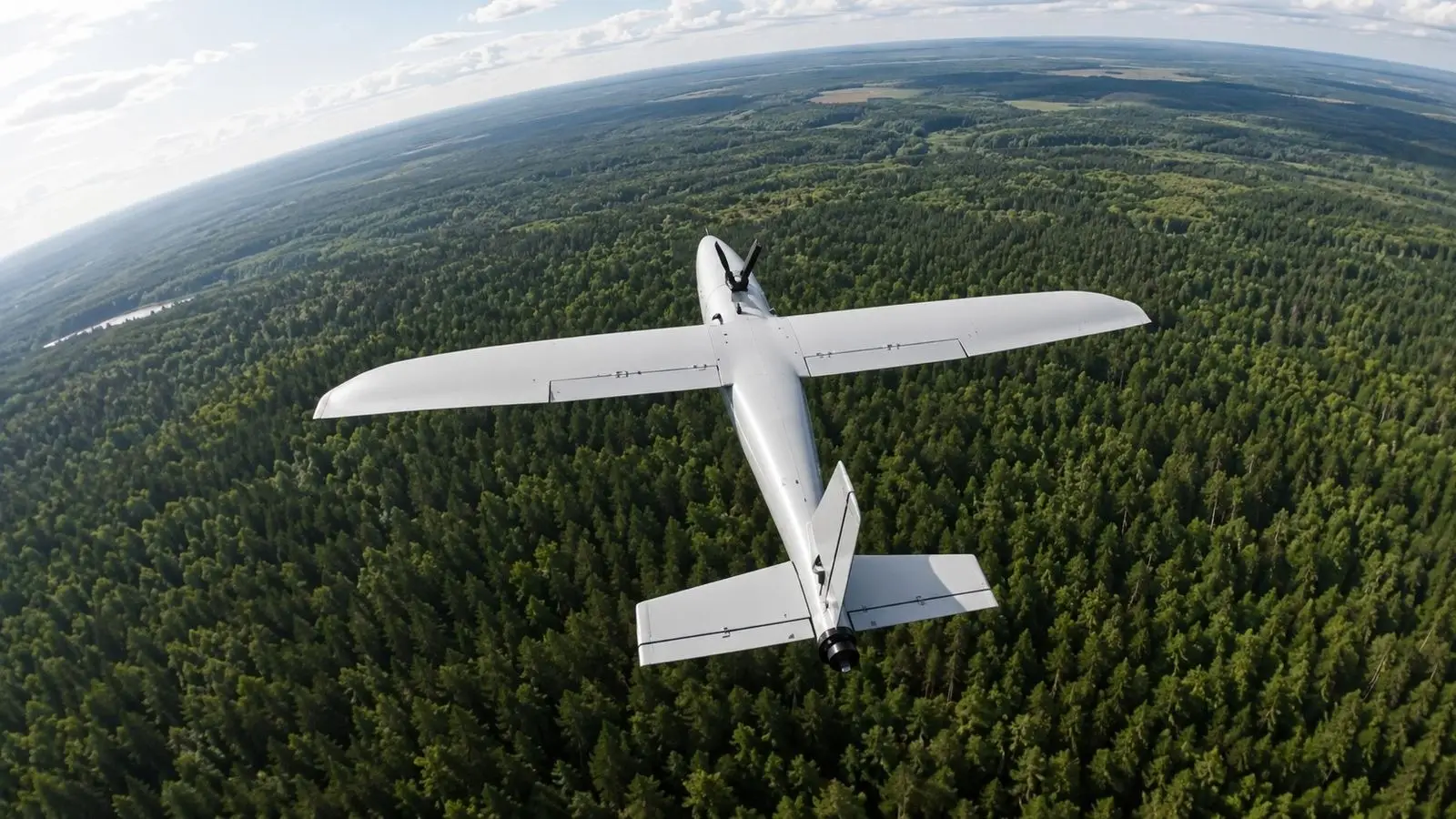
Ukrainian forces are repeatedly changing how they deploy strike drones during raids deep into Russia, sending them at altitudes ranging from several kilometers to just above the treetops, Russian security sources told TASS.
According to the source, the Ukrainian military is also increasing the number of attack drones involved in such raids and testing different flight routes. In some cases, the UAVs are sent higher in an effort to keep them beyond the effective reach of mobile fire groups. In others, they fly at extremely low altitude to make detection by radar and air defense systems more difficult.
When drones follow such low-level flight paths, mobile fire groups take on a key role. Their task is to detect the incoming UAVs in time and destroy them before they reach their targets. Despite the repeated changes in altitude and routing, the source said Ukrainian forces have been unable to confuse Russian air defenses.
Another tactic used by the Ukrainian military involves launching cheap drones made from readily available materials ahead of more expensive strike UAVs. The first wave is intended to distract air defenses and force them to expend ammunition, after which drones carrying larger warheads are sent toward key targets. Russian security sources previously said this approach has also failed to produce the intended result for the Ukrainian side.
Russia has meanwhile expanded the range of tools used against hostile UAVs. Air defense units of the Zapad Group of Forces have received new fixed-wing Malysh drones designed to intercept Ukrainian strike UAVs. Personnel from the unmanned systems troops have already mastered the new aircraft and are using them in the special military operation zone, according to the Russian Defense Ministry.