 RusPhotoBank

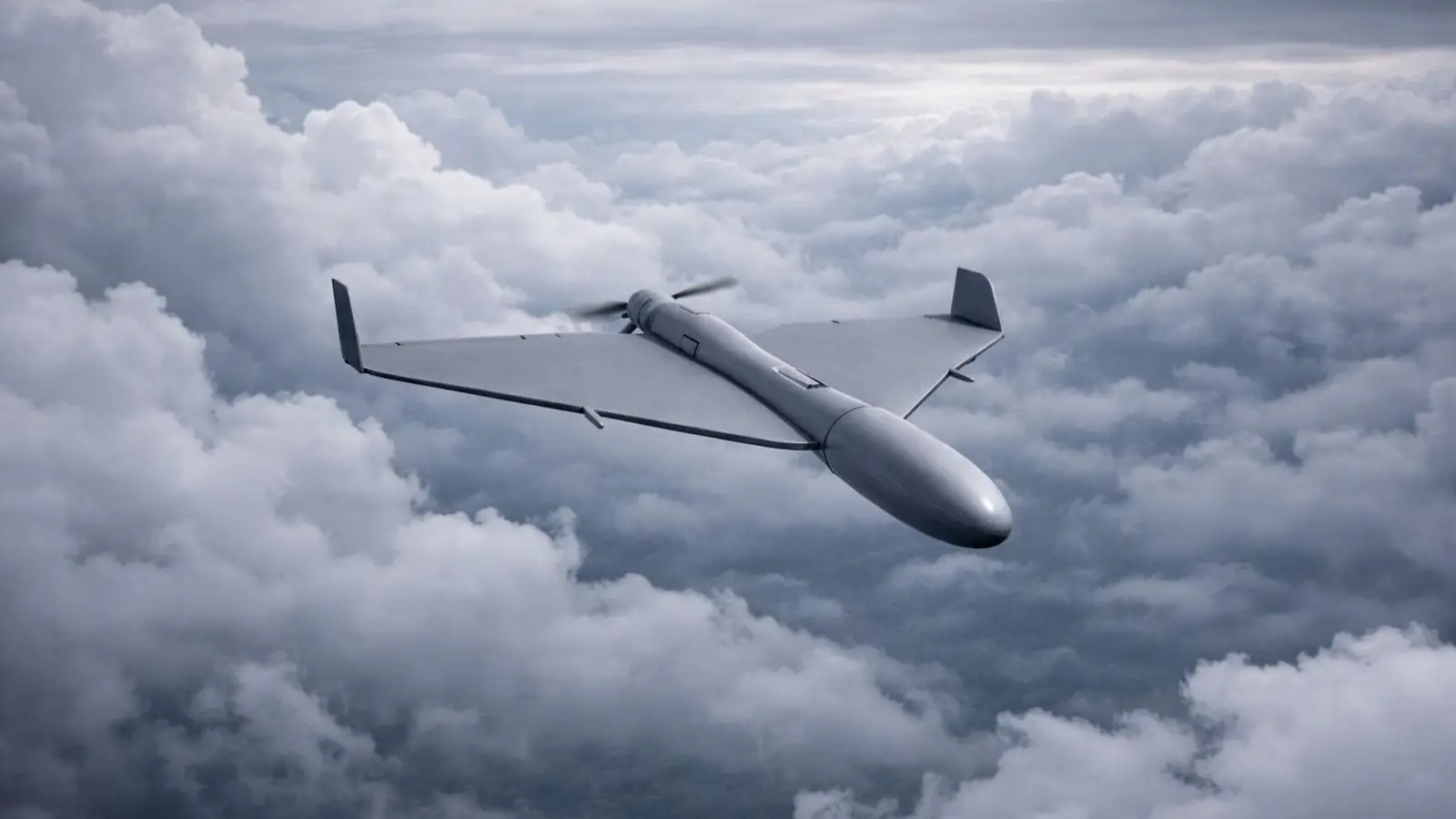
New Russian jet-powered drones are becoming an increasingly serious challenge for Ukraine’s air defense network. The New York Times reports that the arrival of these high-speed systems has made aerial interception far more difficult and is forcing Kiev to rely on some of its scarcest air defense assets.
According to the newspaper, methods previously used against slower unmanned aircraft are far less effective against jet-powered models. Mobile teams equipped with machine guns and short-range air defense systems cannot reliably stop the new threat. Ukrainian forces are therefore having to launch more expensive surface-to-air missiles and deploy fighter aircraft to intercept them.
Those options are limited as well. The NYT notes that shortages of suitable missiles and aviation resources have already become a major problem for Kiev. Analysts and Ukrainian officials cited by the publication view the growing use of jet-powered drones as the beginning of a more dangerous stage of the conflict.
Their increasing speed is adding another layer of difficulty. The Washington Post reported that some Russian UAV models are already fast enough to create serious problems for conventional interception systems. The newspaper said the Geran-4 and Geran-5 can reach roughly 250 miles per hour, or about 400 kilometers per hour. In some cases, Ukrainian forces have had to scramble fighter jets to counter incoming drones.
On August 31, adviser to Vladimir Zelensky Sergey Beskrestnov also reported a noticeable increase in the number of jet-powered drones being used. He highlighted their rising speed as one of the main challenges. According to his figures, the Geran-3 could reach 300–330 kilometers per hour, while the Geran-4 is capable of 450–550 kilometers per hour. Beskrestnov said a Ukrainian interceptor drone would need to reach around 600 kilometers per hour to reliably engage such a target.