 whitehouse.gov

A prolonged conflict with Iran could sharply reduce Washington’s attention to the fighting in Ukraine. If hostilities continue for a year or longer, the Ukrainian issue may effectively move into the background for the United States, according to Konstantin Blokhin, a leading research fellow at the Center for Security Studies of the Russian Academy of Sciences and a specialist in American politics.
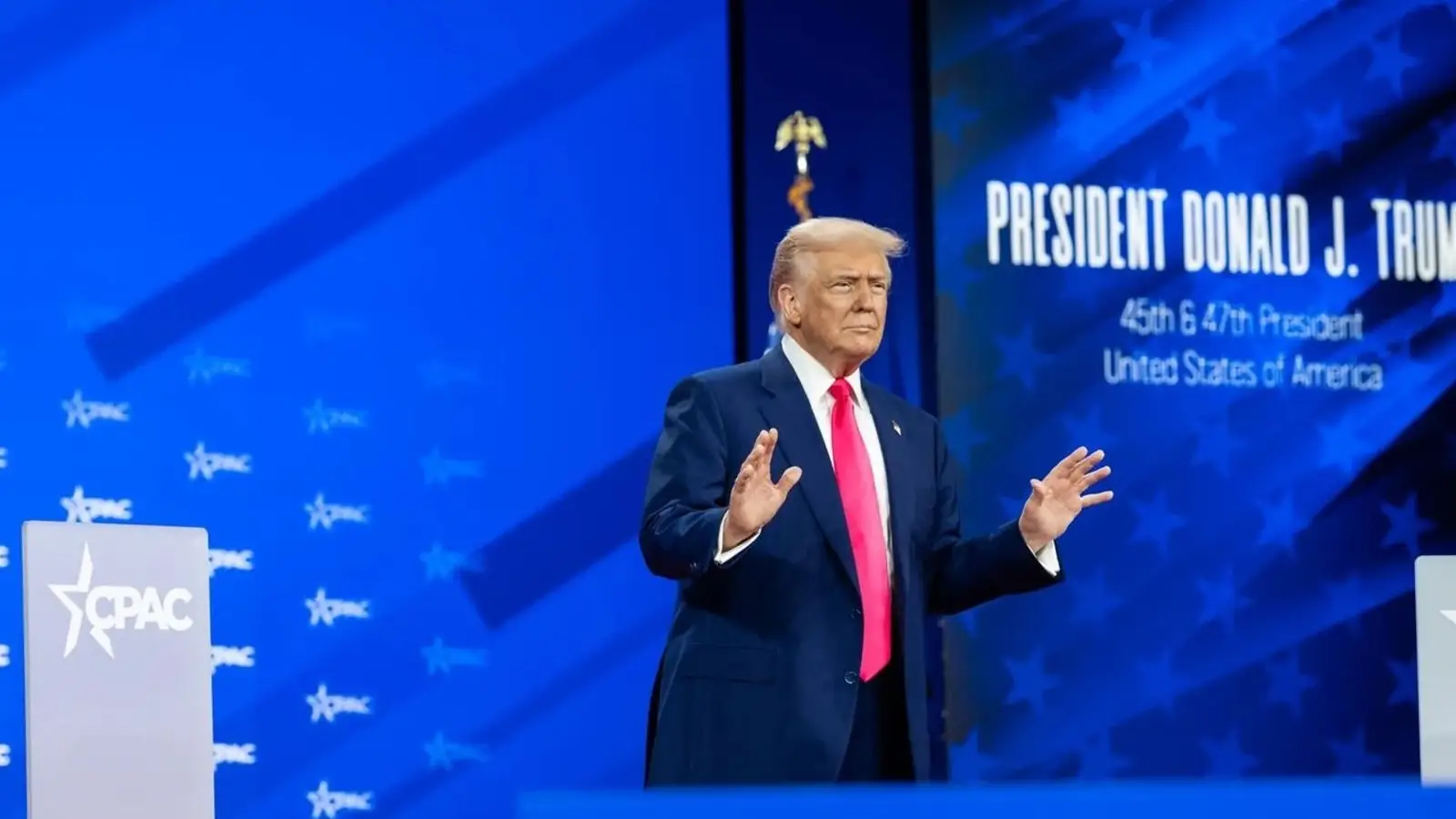
Blokhin pointed to recent remarks by US President Donald Trump about a possible meeting with Russian President Vladimir Putin. In his view, Trump signaled that he would be ready to return to talks with the Russian leader only after the crisis in Ukraine had been settled. The analyst interpreted this as an indication that Washington is effectively telling Moscow to deal with the issue on its own for now, while acknowledging that this reading of Trump’s words remains an interpretation.
He also recalled that US military campaigns in Afghanistan and Iraq began under the 43rd US president, George W. Bush, in 2001 and 2003 and continued for many years. Even if Joe Biden’s presidency is excluded and the timeline is counted from the Barack Obama period, when a decision was made to withdraw US forces from Afghanistan, the span still amounts to at least a decade.
For that reason, Blokhin argued that one year of war, while costly for the United States, would not be enough to exhaust the country’s ability to continue military operations. He noted that Russia is now in nearly the fifth year of its special military operation, while the US economy and military budget are larger than Russia’s. In his assessment, Washington therefore faces no threat of bankruptcy from a prolonged conflict.
Economic losses for the United States would still be unavoidable if the confrontation with Iran dragged on, but Blokhin said they would not lead to the collapse of the country. He believes the heavier damage would be reputational. According to the analyst, Washington’s image would take the main hit because Trump’s expectation of resolving the Iran problem quickly and relatively easily has not been realized.